column (e.g. in newspaper)
2026.07.17
An Introduction to Male Menopause and Longevity | Life Hacks on Hormones, Vitamins, Nutrition, Strength Training, and Sleep, Explained by a Cosmetic Internal Medicine Specialist
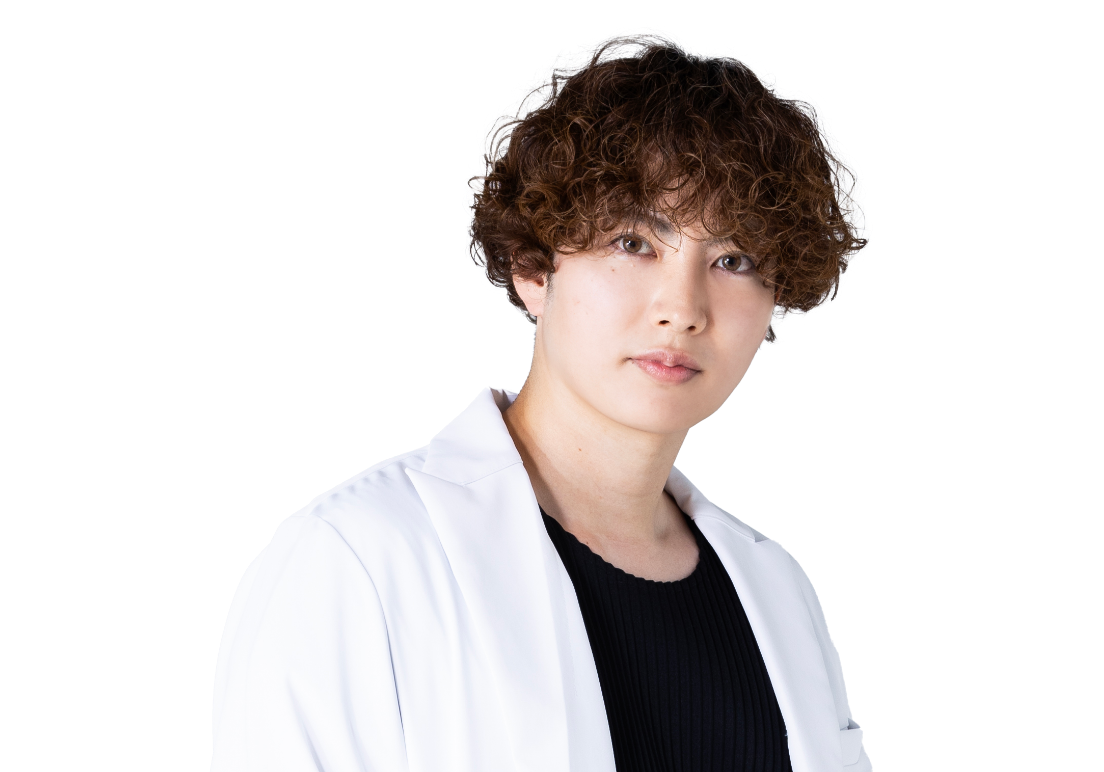
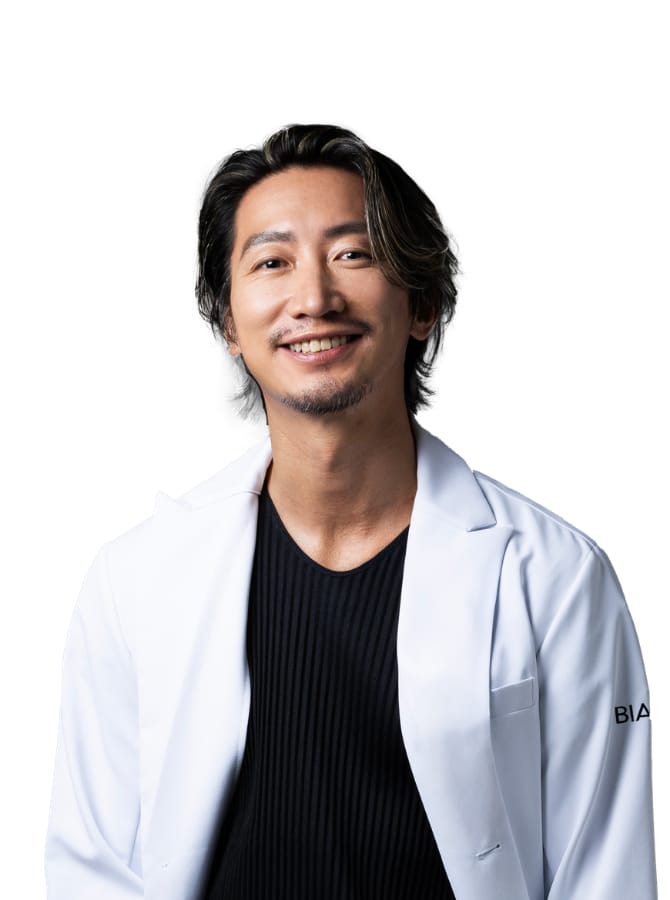
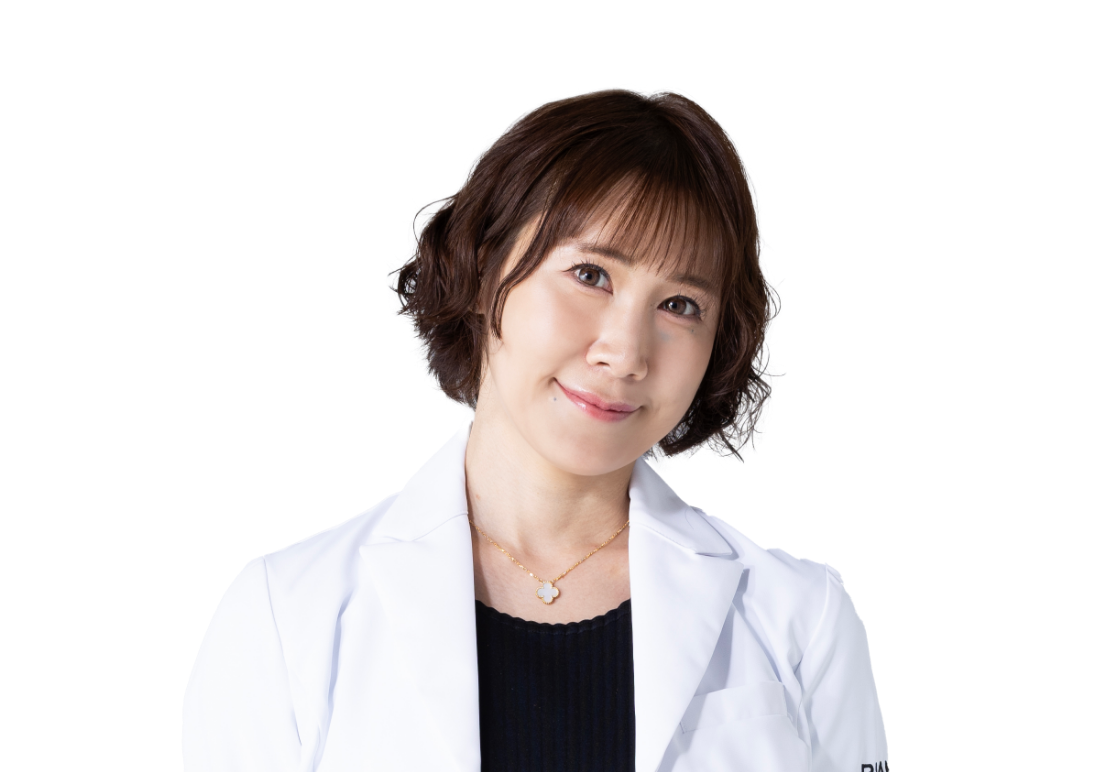
Driven by the belief of “bringing happiness to more people,” I pursued a career in aesthetic medicine after gaining experience in general internal medicine and emergency surgery, along with overseas training. As an internationally oriented doctor holding a UN English Proficiency Test Special Grade A, I treat a diverse range of patients. My goal is to become a true all-rounder, spanning cosmetic surgery, cosmetic medicine, and cosmetic dermatology. With a deep understanding of global beauty standards, I serve as a Key Opinion Leader (KOL) for TargetCool, NEAUVIA®, and CORETOX®. Known for my gentle manner, I provide accessible consultations in both Japanese and English. I pursue aesthetic medicine that transforms not just appearance, but also enhances overall happiness.
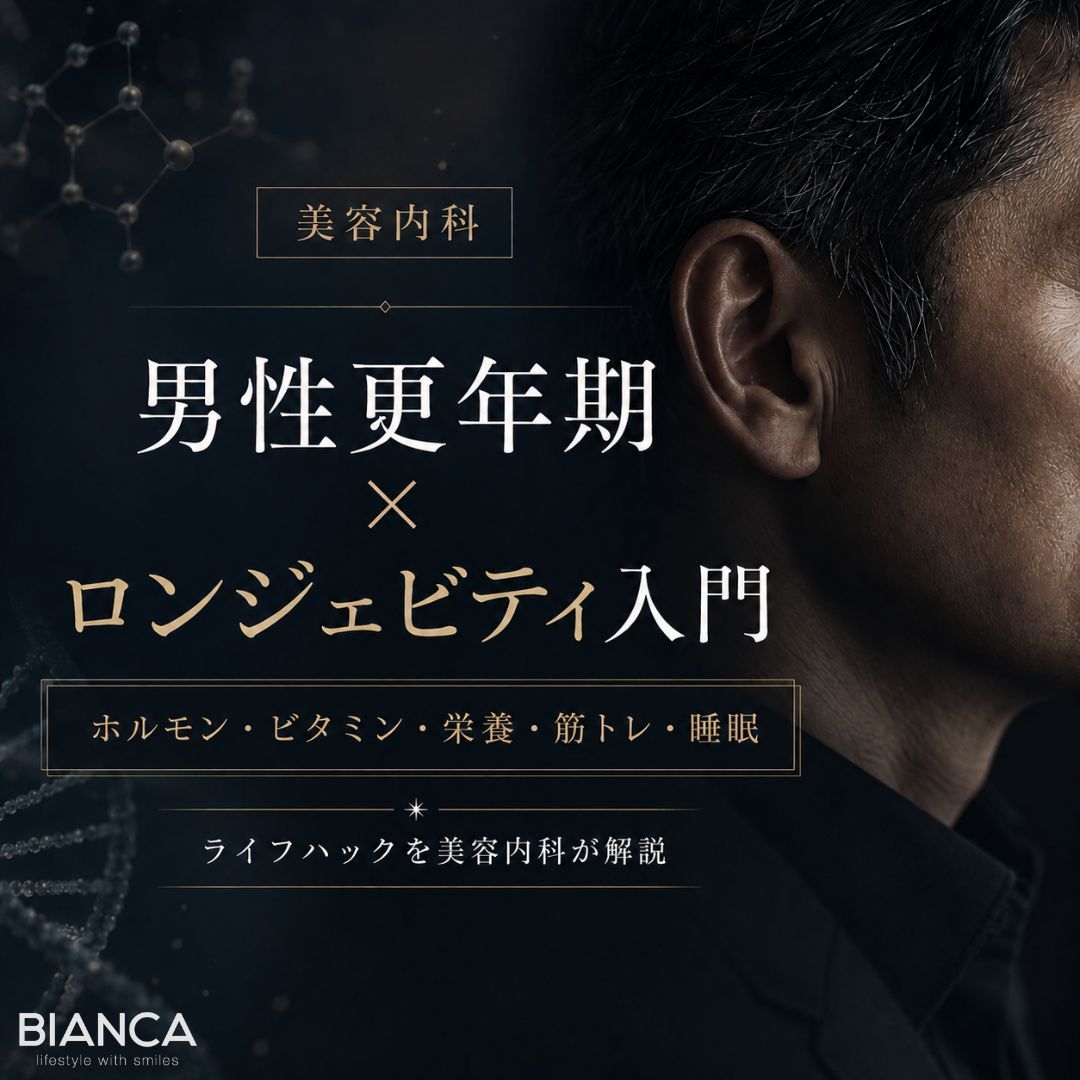
“I’ve lost muscle mass and gained body fat compared to before,” “I’ve become more irritable, and my concentration and sleep quality have declined,” “I’m concerned about a decline in male sexual function.” Concerns like these may actually be signs of male menopause (age-related hypogonadism).
Although it isn’t discussed as much as women’s menopause, men also experience a gradual decline in the hormone testosterone starting in their 20s. In Tokyo and Ginza, more and more people are seeking consultations at aesthetic medicine clinics, and an increasing number are combining everyday lifestyle hacks—such as nutrition, sleep, and strength training—with medical support.
In this article, we’ll carefully summarize how to manage male menopause with a focus on health and longevity, incorporating the perspective of orthomolecular medicine.
What Is Male Menopause?: Changes Caused by Declining Hormone Levels
Male menopause refers to a condition in which a relative decline in testosterone leads to a wide range of changes in the body, mind, and male sexual function.
Hormonal changes vary greatly from person to person and are influenced not only by age but also by factors such as lack of sleep, chronic stress, nutrition (vitamin and mineral deficiencies), and an increase in visceral fat. Studies have shown that, in the long term, these changes may also affect cognitive function and cardiovascular health, so it is important not to ignore them.
Common Symptoms (Physical, Mental, and Male Sexual Function)
- Physical: Decreased muscle mass, increased body fat, sensitivity to cold, and fatigue
- Mental Health: Irritability, loss of motivation, anxiety, difficulty concentrating
- Male Sexual Function: Decreased sex drive, difficulty achieving an erection, and reduced morning erections
- Lifestyle: Poor sleep quality, plateau in strength training, difficulty managing weight
Since these symptoms can also be caused by other illnesses or lifestyle factors, it’s important not to make assumptions on your own; a medical evaluation by a doctor can be helpful.
Why Does Testosterone Levels Drop?
In addition to aging, a combination of factors—such as a heavy workload, lack of sleep, excessive alcohol consumption, a diet high in refined carbohydrates, chronic stress, lack of exercise, and excessive aerobic exercise—can affect hormonal balance.
As body fat—especially visceral fat—increases, hormonal conversion (aromatase activity) accelerates, making it more likely that testosterone levels will drop relatively. From a nutritional perspective, deficiencies in zinc, magnesium, vitamin D, B vitamins, and high-quality protein can undermine the body’s foundation.
Approaches to Evaluation and Treatment (From the Perspective of a Cosmetic Internal Medicine Clinic in Ginza, Tokyo)
The standard approach to male menopause is to use testing to assess the current condition and then gradually make adjustments through a combination of lifestyle changes and medical care. In the Ginza area of Tokyo, clinics specializing in aesthetic medicine typically begin by taking a blood sample to check hormone levels and related indicators, and then work with patients to determine a treatment plan as needed. At our clinic as well, we begin by measuring blood hormone levels and, if appropriate, consider intramuscular injections as a treatment option.
What We Value in the Initial Evaluation
- Medical History: Carefully review the onset of symptoms, sleep patterns, stress levels, diet, exercise habits, and medication history.
- Blood Tests: In addition to total testosterone and related hormones, we check complete blood count, liver and kidney function, lipid profile, blood glucose, and, if necessary, prostate-related tests.
- Foundations of Daily Life: Assess the frequency of strength training, nutrition (vitamins, minerals, and protein), and sleep habits, and develop a plan to address any deficiencies from an orthomolecular perspective
The details of the examinations and consultations will be tailored to each individual. Since effectiveness, risks, and the frequency of visits vary from person to person, it is important to proceed in a way that suits each person’s specific circumstances.
Testosterone Replacement Therapy (Intramuscular Injections) as an Option
If the treatment is expected to be effective, we will consider replacement therapy via intramuscular injection. The frequency and dosage of the injections will be tailored to each individual, and we will monitor progress through regular blood tests. There are also points to keep in mind, such as a tendency for red blood cell counts to rise, worsening of sleep apnea, fluctuations in sebum production and mood, and precautions regarding the prostate. Pain, downtime, individual experiences, and duration of effects vary from person to person, and the effectiveness of the treatment interacts with lifestyle adjustments.
Building a Foundation with Orthomolecular Nutrition Therapy
Ensuring an adequate supply of nutrients—such as vitamins, minerals, and amino acids—is the foundation for supporting hormonal function. In particular, vitamin D, B vitamins, zinc, magnesium, omega-3 fatty acids, and sufficient protein are also involved in concentration, sleep, and muscle maintenance. While we do not recommend excessive supplementation, it is most effective to supplement within the necessary range based on test results and food logs.
Longevity Life Hacks You Can Do Every Day
Strength Training: Major Muscle Groups 2–3 Times a Week, Focusing on Form
Muscles are often referred to as the body’s largest endocrine organ. Aim to do strength training that targets major muscle groups 2 to 3 times a week and maintain a sustainable routine. Combining protein intake after your workout with proper hydration and sleep can also help you manage your body fat.
Sleep: Aim for about 7 hours and establish a bedtime routine
Simply by practicing good sleep hygiene—such as taking a bath 90 minutes before bed, avoiding smartphone screens, and keeping your bedroom dark and quiet—you may find that your irritability and fluctuations in concentration are alleviated. The key is to manage your caffeine and alcohol intake by adjusting the timing and amount, and to avoid disrupting your routine too much, even on days off.
Nutrition: Focus on protein and dietary fiber for breakfast and lunch
Include protein, dietary fiber, and healthy fats in your breakfast and lunch. For dinner, aim for a moderate portion at a reasonable hour, and avoid overeating and excessive alcohol consumption. Get your vitamins and minerals primarily from your diet, and use supplements only when necessary.
Stress and Mental Health Care
Incorporate small, restorative habits throughout your day—such as short breathing exercises, light walks, or conversations with coworkers and family. Stress directly affects both your hormones and your sleep.
How to Choose a Clinic in Ginza, Tokyo: Making the Right Choice Between Aesthetic Medicine, Cosmetic Surgery, and Cosmetic Dermatology
While male menopause is primarily addressed in the field of aesthetic internal medicine, concerns about appearance and image management are areas of expertise in aesthetic dermatology and cosmetic surgery. There are many options available in Ginza, Tokyo, making it practical to combine these approaches depending on your goals.
An Approach Based on Purpose
- Improving Your Body's Overall Condition (Irritability, Sleep, Concentration, Muscle-to-Body-Fat Ratio): A cosmetic internal medicine practice focuses on balancing hormones and nutrition.
- Expression Lines and Image Management: Treatments such as Botox at cosmetic dermatology clinics are options. Botox is one example of a treatment for expression lines and is also used by business professionals in Tokyo to enhance their appearance before meetings and presentations.
- Changes in facial contours or body shape: Liposuction at a cosmetic surgery clinic may be an option. Men also seek consultations regarding body fat.
- Breast Augmentation: While breast augmentation at a cosmetic surgery clinic is primarily an option for women, some individuals consult with their partners at the same time. The suitability for breast augmentation and the level of satisfaction vary from person to person.
Botox treatments at cosmetic dermatology clinics, liposuction, and breast augmentation at cosmetic surgery clinics are all medical procedures, so determining whether they are appropriate for you is the top priority. “Before & After” photos can be helpful, but results, downtime, and duration vary from person to person. While there is plenty of information available about Ginza, Tokyo, take your time and consider your options carefully.
When to Consider Botox, Liposuction, and Breast Augmentation
First, prioritize building a foundation through sleep, nutrition, and strength training, along with an evaluation at a cosmetic medicine clinic. Based on that, a realistic approach would be for those concerned about facial stiffness or movements in the neck and forehead to consult a cosmetic dermatologist about Botox, while those with significant body contour concerns should consider liposuction at a cosmetic surgery clinic. For consultations regarding breast volume, please visit a specialized breast augmentation clinic for an individualized consultation. In Tokyo and Ginza, you’ll find clinics that house aesthetic medicine, aesthetic dermatology, and plastic surgery departments under one roof, offering a one-stop consultation service for procedures ranging from Botox and liposuction to breast augmentation.
Checkpoints in Ginza, Tokyo
- A cosmetic internal medicine clinic where you can discuss everything from lifestyle and nutrition to sleep during counseling sessions?
- Can you appropriately refer patients to cosmetic dermatology services such as Botox, or to cosmetic surgery procedures such as liposuction and breast augmentation, as needed?
- Are the "Before & After" examples presented in moderation, and are risks and individual differences explained thoroughly?
- Is the location and schedule convenient for commuting to Ginza, Tokyo?
For peace of mind, choose a medical facility that will work with you to clarify your goals without focusing solely on specific keywords. Whether you’re looking for cosmetic internal medicine, cosmetic dermatology, or cosmetic surgery, there’s a wealth of information available in Ginza, Tokyo, so the quality of your consultation is especially important.
People Who Want to Weigh Their Options Carefully and Risk
Treatments involving testosterone replacement (intramuscular injections) require careful consideration in cases where there is a history of prostate-related conditions, severe sleep apnea, polycythemia, or uncontrolled cardiovascular disease. The same applies to supplements; excessive intake of vitamins and minerals is not recommended. There are individual differences in pain, downtime, how effects manifest, and how long they last, so regular checkups and open communication are essential.
Frequently Asked Questions (FAQ)
Q1. How long does male menopause last?
The duration varies greatly from person to person; while some people find their symptoms improve with lifestyle changes and treatment, others learn to live with them over time. Rather than making a judgment based solely on age, an evaluation by a cosmetic medicine specialist serves as a guideline.
Q2. Will taking supplements alone be enough to get better?
While vitamins and minerals help lay the foundation, it’s most practical to combine them with a review of your sleep, exercise, and overall nutrition, as well as medical care as needed (such as blood tests and intramuscular injections).
Q3. Do intramuscular injections hurt?
Individual experiences may vary. It also depends on the area and the amount, but my impression is that it’s usually over in a few minutes. Some people experience a sensation similar to muscle soreness the next day.
Q4. Which should I focus on first: sexual function or sleep?
Sleep is the foundation. When your sleep is on track, your irritability and concentration stabilize, which in turn leads to better results from strength training. At the same time, visit a cosmetic internal medicine clinic to have your hormone levels and nutritional status checked.
Q5. Where should I go for advice in Ginza, Tokyo?
Start by visiting a cosmetic medicine clinic to assess your current condition. As a general guideline, consider Botox at a cosmetic dermatology clinic for facial concerns, liposuction at a cosmetic surgery clinic for body contouring, and breast augmentation for breast-related concerns. Be sure to confirm the indications and risks for each procedure.
Consultation Process (Ginza, Tokyo)
At our clinic, we begin by taking a blood sample to assess your current condition, and then we’ll work with you to develop a personalized plan covering lifestyle, nutrition, sleep, and strength training. As needed, we collaborate with our cosmetic dermatology department for intramuscular injections and Botox treatments for expression lines, and with our cosmetic surgery department for body contouring via liposuction and breast augmentation procedures. We’re committed to providing a convenient system for patients in the Ginza area of Tokyo. We do not make unrealistic recommendations; instead, we provide impartial information, including individual differences in effectiveness, downtime, and duration of results. If you’d like to find out if our services are right for you, please feel free to contact us for a consultation.
Summary
Male menopause is characterized by a gradual decline in hormone levels that silently affects muscle mass, body fat, irritability, concentration, sleep, and male sexual function.
If you’re aiming for longevity (a long, healthy life), a realistic approach is to optimize your nutrition and vitamin intake from an orthomolecular perspective, incorporate sleep and strength training into your daily routine, and have your progress regularly monitored at a cosmetic internal medicine clinic. For concerns about your appearance or body shape, consider options such as Botox at a cosmetic dermatology clinic in Ginza, Tokyo, or procedures like liposuction and breast augmentation at a cosmetic surgery clinic—approaching these in stages according to your specific goals.
The "Before & After" images are for reference only; results, downtime, and risks may vary from person to person. Let's take our time and work together to develop a solution that fits your lifestyle and values.