column (e.g. in newspaper)
2026.08.26
Does Sculptra Work on Nasolabial Folds? A Cosmetic Surgeon Explains the Differences from Hyaluronic Acid, Indications, and Precautions

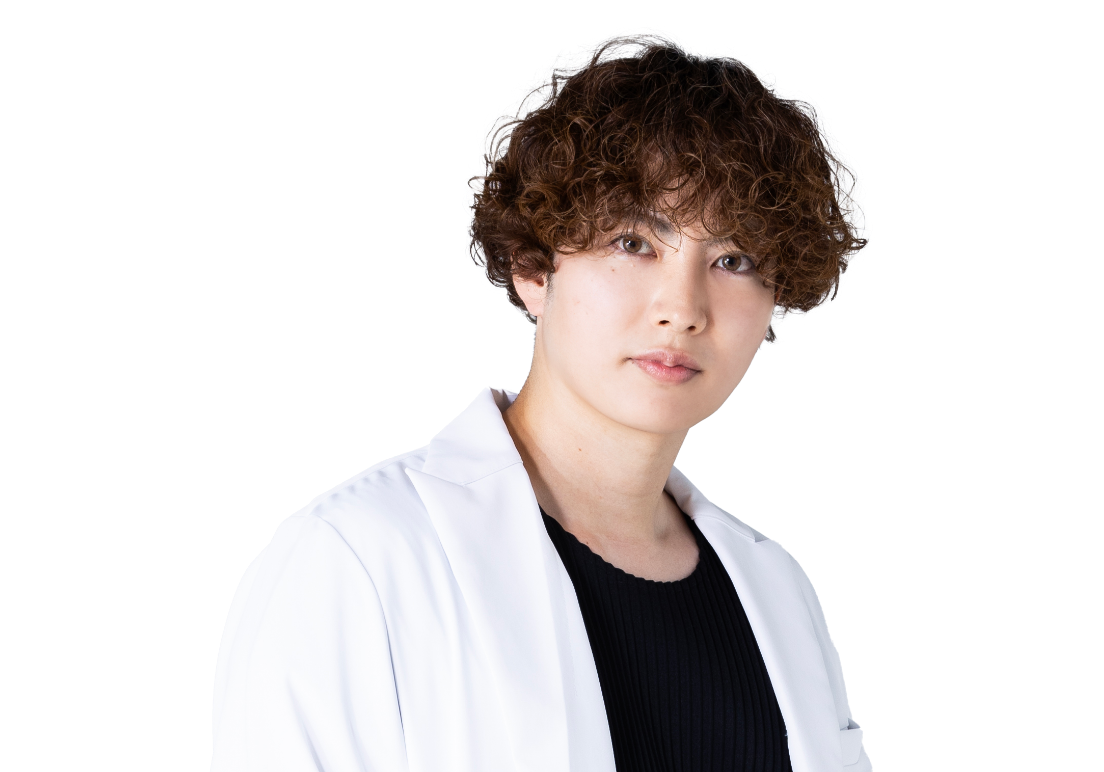
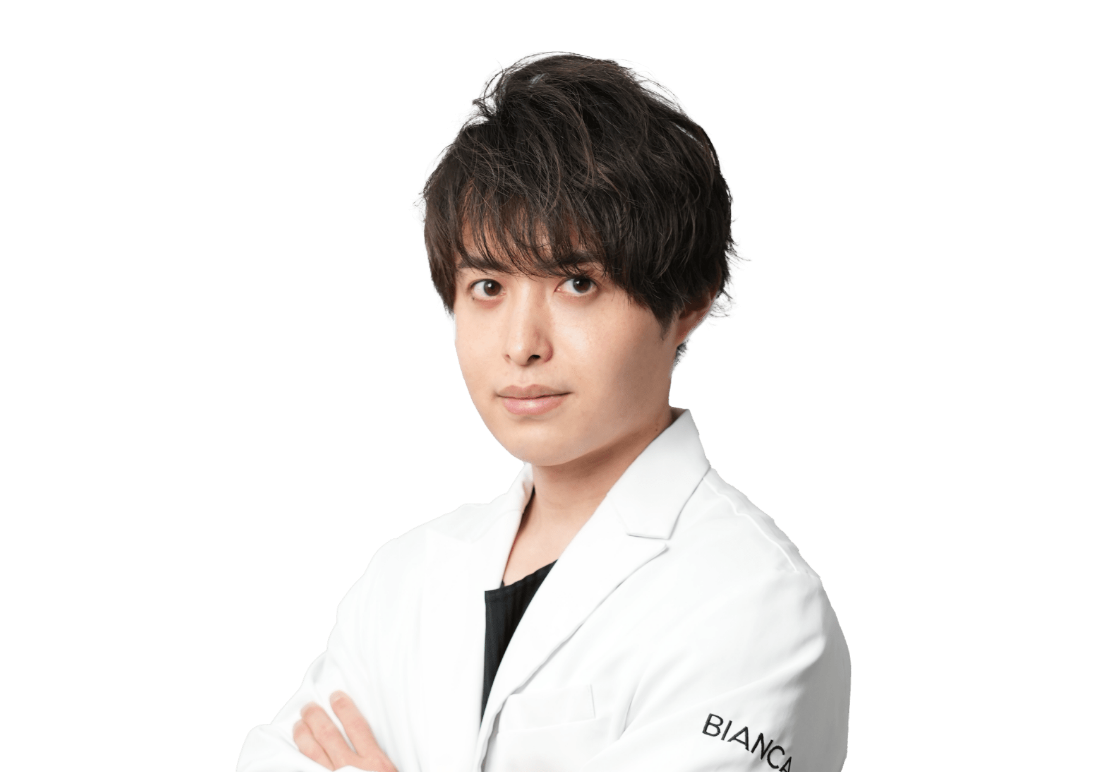
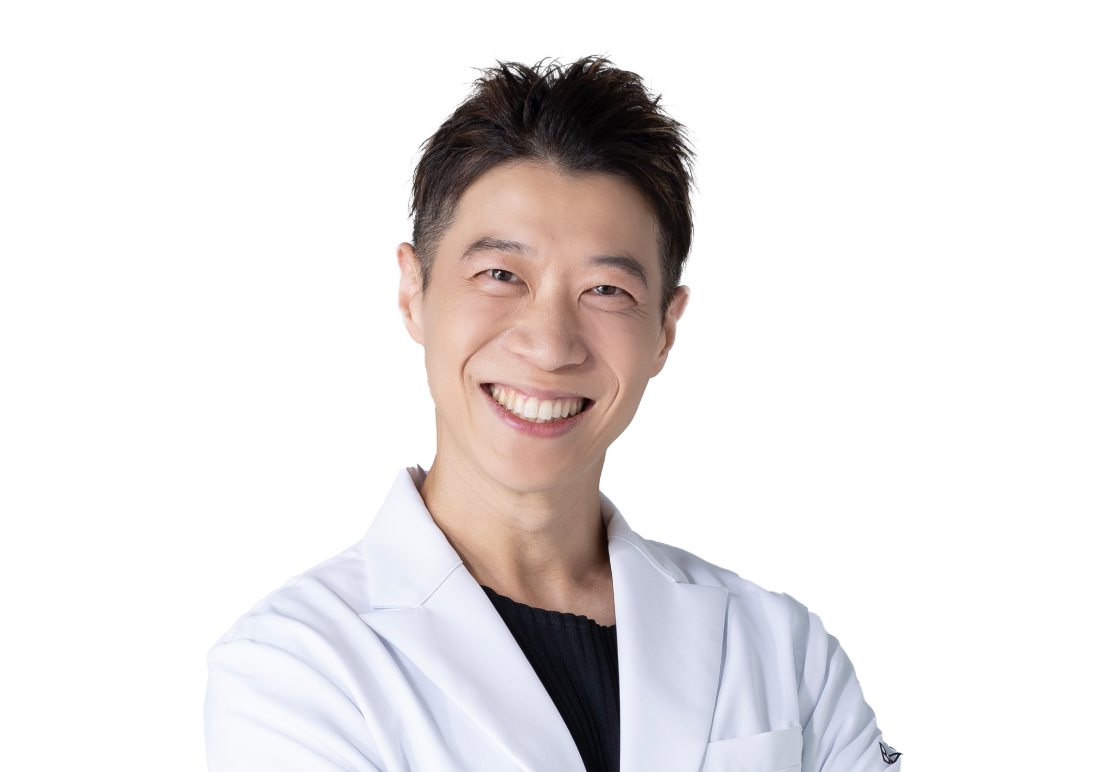
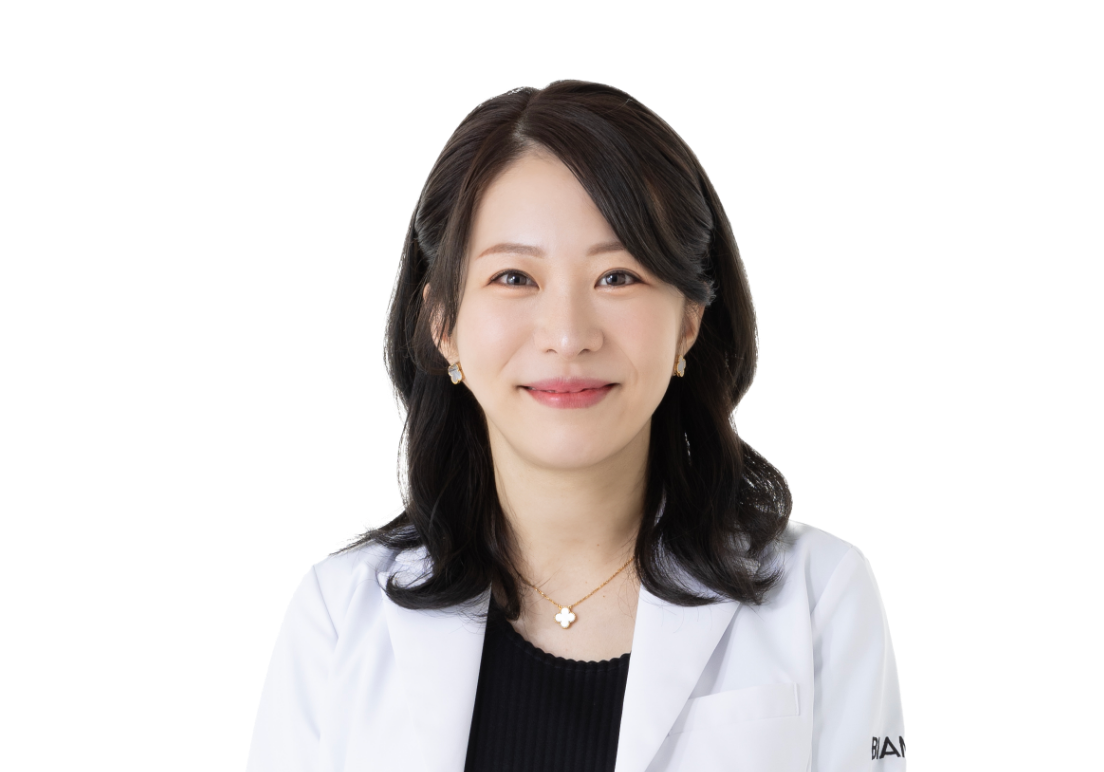
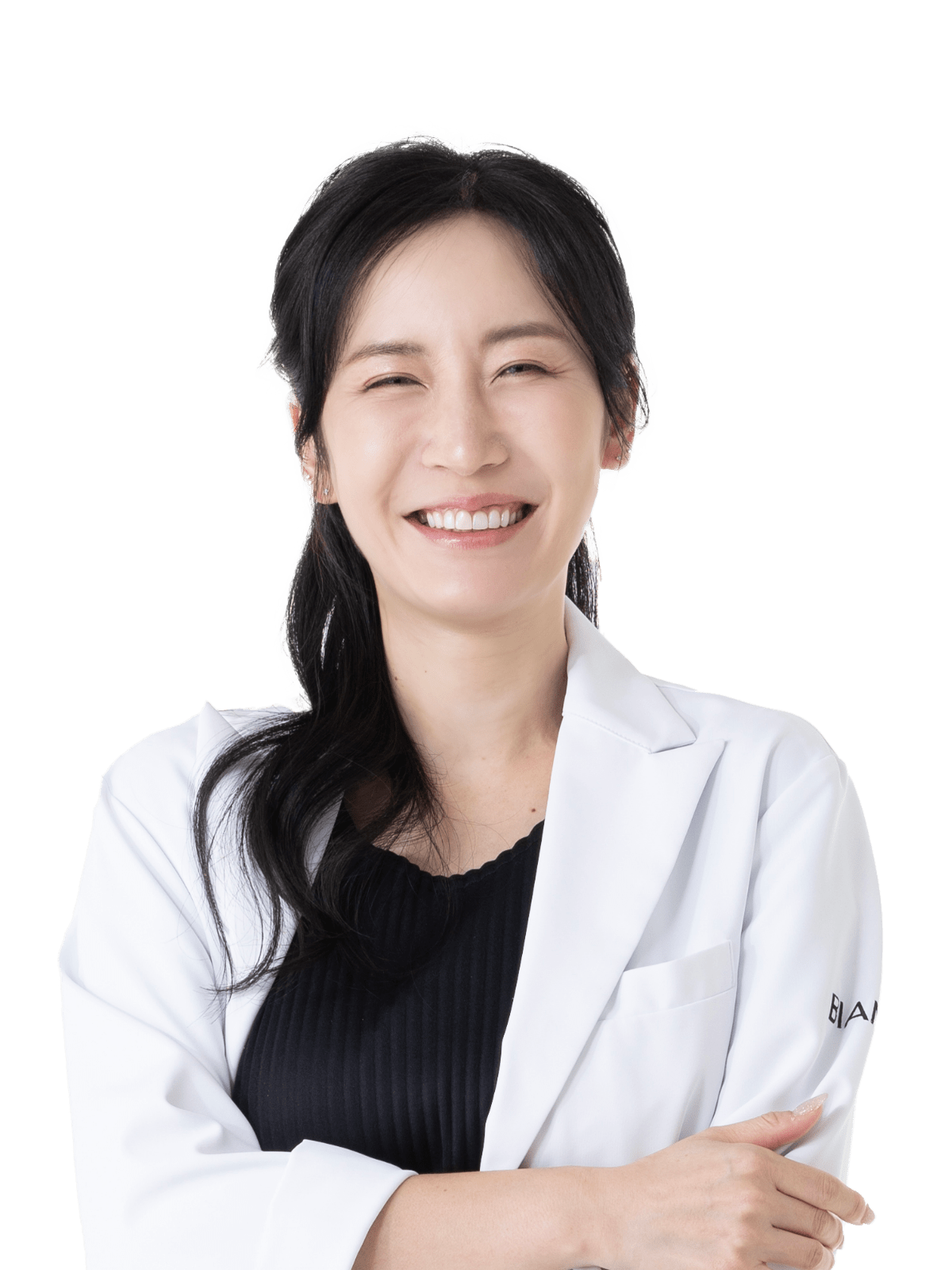
My journey into aesthetic medicine stems from a desire to help enrich and beautify lives beyond simply treating illness. My specialties include hyaluronic acid, Botox, and thread lifts. I provide treatments that enhance each individual's unique qualities and bring out an elegant, natural beauty. For concerns around the eyes that are difficult to improve with dermatology alone, I also perform surgical procedures. By integrating dermatology and surgery, I holistically balance the entire face. With three periods of overseas study, I am also able to provide consultations in English.

"I want to naturally reduce my nasolabial folds," "I don't want to end up with a puffy look from hyaluronic acid."
For those facing such concerns, Sculptra—which is primarily composed of PLLA (poly-L-lactic acid)—is an option that works over time to stimulate collagen production and gradually blend into the skin.
While the number of consultations is increasing at cosmetic surgery and dermatology clinics in Tokyo and Ginza, it’s important to understand the differences between this treatment and Botox, who it’s suitable for, and the downtime and risks involved before making a decision.
In this article, from a cosmetic surgeon’s perspective, we’ll provide a clear and easy-to-understand overview of “Sculptra for nasolabial folds,” including how it differs from hyaluronic acid, its indications, precautions, and key points to consider when seeking a consultation in the Ginza area of Tokyo.
Please note that results, duration of effects, pain, and downtime may vary from person to person.
[Doctor’s Point]
-
Sculptra is,An injectable formulation primarily composed of PLLA (poly-L-lactic acid)It works by stimulating collagen production to gradually improve natural volume and firmness over time.
-
Sculptra has been approved by the U.S. FDAImproving Nasolabial Fold Contour Deficiencies, from Shallow to DeepThis is a drug that has been approved for that purpose.
-
However, just because you have nasolabial folds doesn’t mean you should only inject Sculptra into the creases of those folds. Issues such as volume loss in the cheeks or sagging skin, etc.,Diagnosing the causes of prominent nasolabial folds by examining the entire faceis important.
-
While hyaluronic acid is easy to reshape immediately after injection, Sculptra, on the other hand,Changes gradually over a period of several weeks to several monthsThis is a key feature.
-
Clinical studies have reported that PLLA improves nasolabial folds for up to 25 months after treatment. However, the effectiveness and duration of results vary from person to person.
-
Sculptra carries risks such as swelling, bruising, nodules, and lumps. Additionally, when considering injection treatments for the face, it is important to understand the potential for serious complications, such as vascular occlusion, before proceeding with treatment.
What Is Sculptra? — A Concept of Nurturing Results Over Time, Rather Than Just “Inject and Done”
Sculptra is an injectable formulation whose main ingredient is PLLA (poly-L-lactic acid), and the treatment is based on a concept similar to that of a so-called biostimulator (biostimulating agent).
Rather than focusing solely on the immediate appearance after the injection, we aim to stimulate collagen production through the body’s natural response, with the goal of achieving changes in volume and firmness over the course of several weeks to several months.
The U.S. FDA has approved this treatment for improving contour defects in nasolabial folds, ranging from shallow to deep. However, not everyone will experience the same rate of improvement or the same results.
Nasolabial folds aren't just a matter of "lines"
The prominence of nasolabial folds is caused by a combination of factors, including changes in cheek volume, loss of skin elasticity, changes in the supporting tissues, and skeletal structure.
That is precisely why it is important to conduct an assessment that considers the entire face in three dimensions, rather than simply focusing on and continuously filling in the nasolabial folds themselves.
During consultations at cosmetic surgery and cosmetic dermatology clinics, we examine patients from multiple angles—including head-on, from the side, and while smiling—and develop a treatment plan while aligning expectations with the patient, using “before and after” perspectives as needed.
Does Sculptra Work on Nasolabial Folds? — Evidence and Clinical Perspectives
In addition to FDA approval, there are reports from clinical studies indicating that PLLA improves nasolabial folds for up to approximately 2 years (25 months) after the final treatment.
While research provides guidance, actual clinical outcomes vary widely depending on factors such as age, body type, volume loss, skin type, and lifestyle habits.
Even at cosmetic surgery and dermatology clinics in Tokyo and Ginza, there is a tendency for patients who prioritize a “natural look” over dramatic changes to choose Sculptra, and it is common to incorporate it into a treatment plan that complements Botox and hyaluronic acid.
How Is It Different from Hyaluronic Acid? — Key Factors for Choosing Between Them
Situations Where Hyaluronic Acid Is Recommended
-
I want to fill in dents right away and make minor adjustments to the finish on the spot.
-
Precise morphological adjustments are required.
-
We want to ensure reversibility (injection reversal) when necessary.
Situations Where Sculptra Is Appropriate
-
I want to gradually restore overall volume, including the loss of firmness and elasticity in my cheeks.
-
"I want to let it blend in naturally, little by little."
-
I want to approach this as a systematic, medium- to long-term anti-aging regimen.
For nasolabial folds, we sometimes use hyaluronic acid to smooth out the grooves while using Sculptra to add volume to the surrounding area, combining the two in a complementary manner.
While Botox is an option for wrinkles primarily caused by facial muscle movements, nasolabial folds are mainly due to structural factors, so Botox plays a different role in this case.
Nasolabial Folds: How to Choose Between Botox and Sculptra
Botox is an effective treatment for expression lines (between the eyebrows, on the forehead, at the corners of the eyes, etc.).
Since nasolabial folds are not caused solely by facial expressions, Botox alone can only provide limited improvement.
However, if excessive muscle activity around the mouth is affecting facial contours, we may use Botox cautiously in combination with other treatments to restore balance.
At cosmetic surgery and dermatology clinics in Tokyo and Ginza, a step-by-step approach is commonly used, involving the use of Sculptra to improve the underlying structure, hyaluronic acid to refine facial contours, and Botox to regulate muscle activity as needed.
From a cosmetic surgery perspective, we carefully determine the dosage and injection sites to ensure that excessive use of Botox does not result in unnatural facial expressions.
Key Points to Keep in Mind When Consulting About “Sculptra × Nasolabial Folds” in Ginza, Tokyo
-
Will they explain the areas of expertise in cosmetic surgery, cosmetic dermatology, and cosmetic internal medicine, and offer recommendations that take a comprehensive approach across these fields?
-
Will they explain the potential risks (such as swelling, bruising, lumps or nodules, and rare cases of vascular occlusion) and the range of downtime in advance?
-
Does the presentation of the "Before & After" images have a natural look, and does it include explanations of the camera angles, lighting conditions, and other details?
-
Is it possible to easily adjust the schedule to accommodate multiple sessions (such as several sessions spaced 3 to 4 weeks apart) in a way that fits into your daily routine in Ginza, Tokyo?
Tokyo and Ginza offer a wealth of information and options. Feel free to consult with multiple clinics. A consultation that takes an interdisciplinary approach—covering cosmetic surgery, cosmetic dermatology, and cosmetic medicine—will help you feel confident in your decision.
The Differences in the Roles of Cosmetic Surgery, Cosmetic Dermatology, and Cosmetic Internal Medicine
Cosmetic surgery specializes in providing comprehensive solutions that incorporate injections and surgical procedures (such as liposuction and contouring surgery) based on an understanding of three-dimensional anatomy.
Aesthetic dermatology specializes in improving skin texture and tone, as well as designing treatment plans that combine injections and machine-based therapies.
Cosmetic Internal Medicine offers a perspective on improving skin and overall physical condition from the inside out (through hormones, nutrition, and lifestyle).
While Sculptra treatment for nasolabial folds is typically a specialty of cosmetic surgery and cosmetic dermatology clinics, some clinics in Tokyo also offer a comprehensive management approach that incorporates cosmetic internal medicine.
This "three-in-one" approach is becoming increasingly common in the Ginza area as well, making it easier to choose options that align with patients' wishes and lifestyles.
Treatment Process, Number of Sessions, and Duration—"When Does It Start Working, and How Long Does It Last?"
-
Timing of Results: Immediately after the procedure, there will be a temporary increase in volume due to fluid accumulation and swelling as the tissue reorganizes, but this will subside within a few days. After that, changes resulting from collagen production will gradually become apparent over the course of several weeks to several months.
-
Frequency: We typically recommend several sessions every 3 to 4 weeks, but the number and frequency of sessions may vary depending on each individual’s condition and preferences.
-
Duration: Studies have evaluated results up to approximately 2 years after the final treatment. Since the actual duration varies from person to person and age-related changes continue to progress, maintenance treatment should be considered as needed.
Cosmetic surgery and dermatology clinics in Ginza, Tokyo, strive to recommend a treatment schedule with just the right number of sessions and ensure that appointments do not conflict with important life events (such as photo shoots, business trips, and ceremonies).
If a cosmetic medicine clinic is attached, guidance on nutrition, sleep, and UV protection may be provided in tandem to achieve synergistic effects.
Downtime and Risks—What You Need to Know to Prepare Calmly
Swelling, redness, bruising, puffiness, tenderness, and a feeling of discomfort may occur for a certain period of time.
Due to the nature of the formulation, papules, nodules, and lumps may develop; therefore, proper dilution, distribution, selection of the injection layer, and postoperative management are crucial.
Since there have been rare reports of serious complications resulting from accidental intravascular injection, the procedure must be performed by a physician well-versed in facial anatomy.
In addition to the standard explanations provided at cosmetic surgery and cosmetic dermatology clinics, clinics in Tokyo and Ginza also place a strong emphasis on a thorough pre-operative consent process.
It’s not as simple as “just inject it directly into the nasolabial folds.”
If the main issue is a loss of volume in the cheeks, adjusting the contours of the surrounding area can sometimes create a more natural, youthful appearance.
Since filling in the nasolabial folds excessively can make the mouth area look heavy and unnatural, plastic surgeons design treatments to maintain the overall balance of the face.
Similarly, in cosmetic dermatology, we aim for harmony by combining treatments to improve skin firmness with volume restoration. With the addition of a cosmetic internal medicine perspective, we can also implement lifestyle management strategies in parallel to support skin recovery.
Precautions When Combining Liposuction, Breast Augmentation, and Other Procedures
As part of a comprehensive beauty plan, the schedule may overlap with surgical procedures such as liposuction or breast augmentation.
If the downtime associated with liposuction (compression, swelling) or the recovery period for breast augmentation coincides with swelling or bruising from facial injection treatments (Sculptra, hyaluronic acid, Botox), it may make daily life more difficult.
At our cosmetic surgery clinic in Ginza, Tokyo, we plan liposuction and facial fillers as separate phases. For breast augmentation, we take into account post-operative position restrictions and follow-up appointment schedules to ensure the entire process is completed with minimal stress.
If a clinic offers both cosmetic dermatology and cosmetic internal medicine under one roof, it should be easier to receive comprehensive, end-to-end consultation—from wound care and nutritional guidance to optimizing sleep.
Liposuction, breast augmentation, Botox, and Sculptra—the key is to understand the strengths of each and combine them in a logical sequence.
Who This Is For / Who Should Consider It Carefully
Who Should Use Sculptra?
-
I want to reduce my nasolabial folds "naturally" and "little by little."
-
I feel a lack of firmness in my cheeks and an overall loss of volume.
-
I want to lay the groundwork for the medium to long term—not just with hyaluronic acid.
-
We can accommodate plans for multiple visits in Ginza, Tokyo.
People who want to consider this carefully
-
I need the final version as soon as tomorrow (immediate results are a priority).
-
Since skeletal factors are the primary cause, other methods (orthodontics, surgery) are likely more appropriate than injections.
-
I am not satisfied with the explanation of the risks associated with nodules and lumps.
How to Make the Most of Counseling in Ginza, Tokyo
-
Articulate your goals: Share the challenges you face in everyday life, such as “I’m concerned about shadows in my photos” or “I want to soften the lines on my face when I’m not smiling.”
-
We welcome comprehensive treatment plans: Please provide a cross-disciplinary proposal that includes Sculptra, hyaluronic acid, Botox, and skin treatments, and let’s work together to determine the priorities.
-
Plan Ahead: If you’re planning to undergo liposuction or breast augmentation, consult with a plastic surgeon, cosmetic dermatologist, or cosmetic physician to develop a comprehensive plan for the period before and after the procedure.
Frequently Asked Questions (FAQ)
Q1. Does Botox work on nasolabial folds?
Since it is primarily intended for expression lines, its effectiveness on nasolabial folds when used alone is limited. We recommend considering it in combination with Sculptra or hyaluronic acid.
Q2. How many sessions does it take to notice a difference?
Immediately after the procedure, you may notice changes due to temporary swelling, but the actual qualitative changes will gradually become apparent over the course of several weeks to several months. The number of sessions varies from person to person.
Q3. What is the downtime?
Swelling, bruising, tenderness, and puffiness may occur for a few days to one or two weeks. Be sure to plan important events with plenty of time to spare.
Q4. I'm worried about a lump.
There is a possibility—albeit small—that papules, nodules, or lumps may develop. Proper preparation, distribution, and layer selection are crucial; please be sure to receive a detailed explanation in advance, including information on postoperative care.
Q5. What are some tips for choosing a clinic in Ginza, Tokyo?
Based on a multidisciplinary approach that integrates perspectives from cosmetic surgery, cosmetic dermatology, and cosmetic internal medicine, the evaluation criteria include comparative recommendations—including Botox and hyaluronic acid—explanations of risks, and whether the treatment plan is tailored to the patient’s lifestyle.
Combining with Related Treatments—Prioritizing Safety and Natural Results
If the cause of nasolabial folds is primarily “sagging,” we may combine treatments such as RF or HIFU to tighten the skin.
Treatments are categorized by purpose: Sculpttra or hyaluronic acid for volume loss, and Botox for expression-related lines.
At cosmetic surgery and dermatology clinics in Tokyo and Ginza, there is a growing trend toward designing treatment plans that optimize overall results, including procedures such as liposuction and breast augmentation.
With the parallel involvement of cosmetic internal medicine, the approach incorporates concepts that support the skin’s ability to recover, building on a foundation of sleep, nutrition, and UV protection.
Summary
Sculptra is an effective option for gradually softening nasolabial folds—not by treating them as mere “lines,” but by building a foundation for the entire face.
Since hyaluronic acid provides immediate results and Botox controls facial muscles, their roles differ; therefore, the key is to choose the appropriate treatment or use them in combination depending on the situation.
Be sure to understand the risks—such as downtime, nodules or lumps, and rare cases of vascular occlusion—in advance, and proceed with a well-planned treatment plan under the care of a physician who is well-versed in facial anatomy.
In Ginza, Tokyo, an environment is taking shape where cosmetic surgery, cosmetic dermatology, and cosmetic internal medicine can work together to provide comprehensive treatment plans.
If you have other procedures scheduled, such as liposuction or breast augmentation, be sure to plan your schedule around your daily routine so that it’s manageable.
As a first step toward finding out if this is right for you, make a note of any concerns you have and feel free to consult with a clinic in Tokyo or Ginza.