column (e.g. in newspaper)
2026.10.13
Thinking About Facelifts in Ginza, Tokyo: What You Really Want to Know 10 Years Later

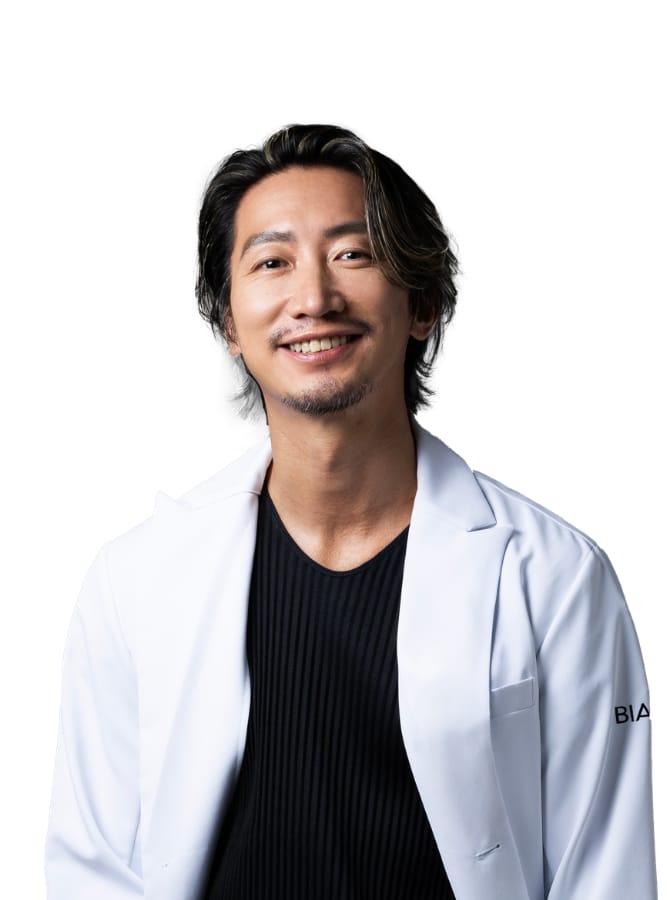
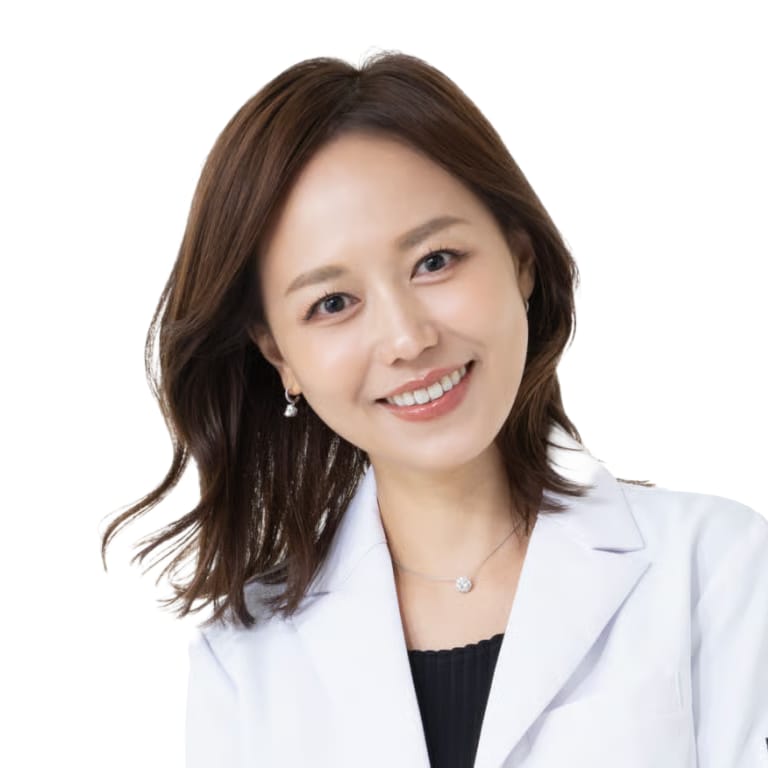
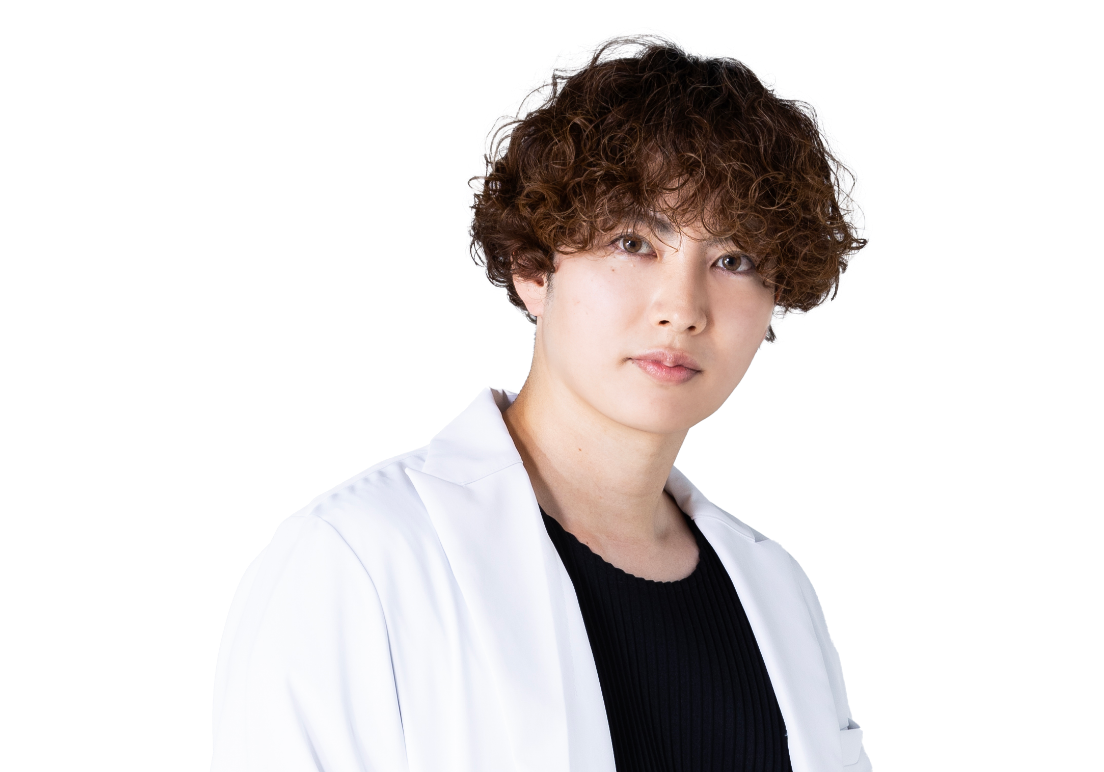
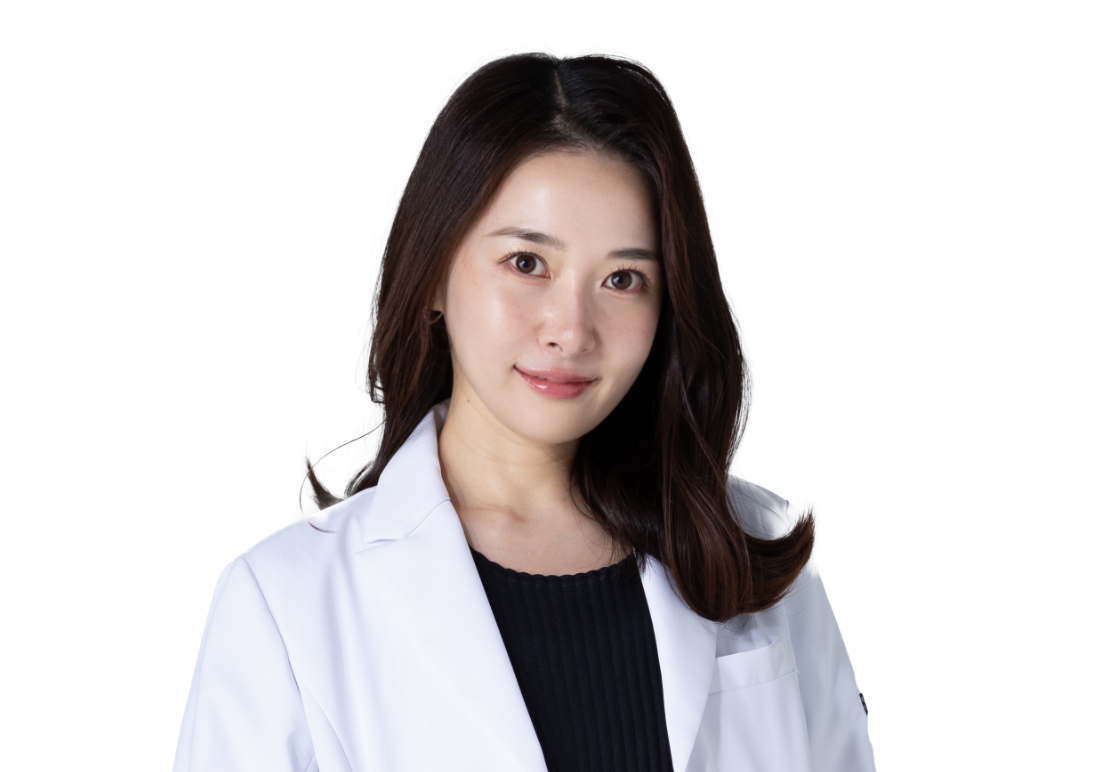
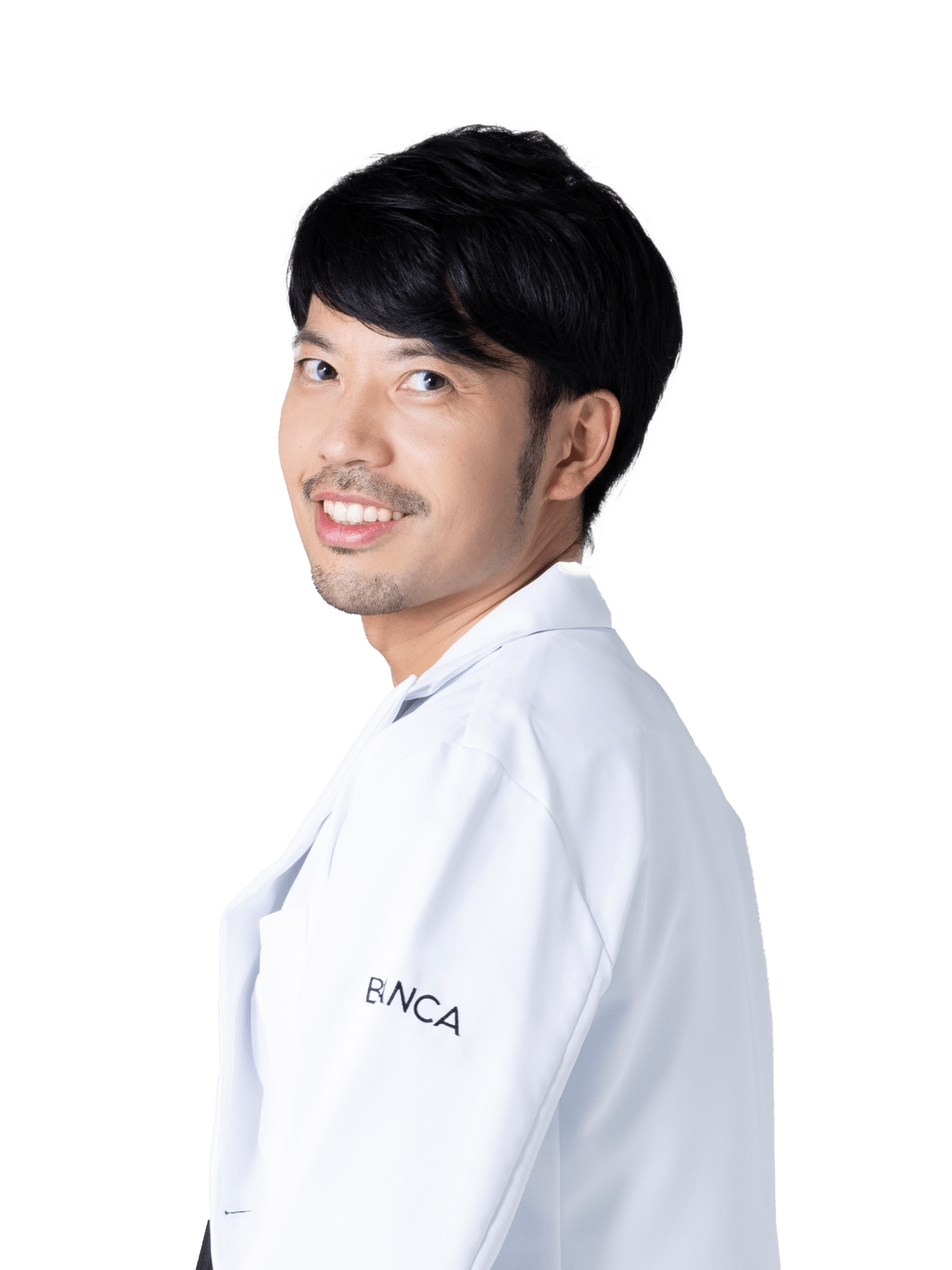
As a plastic surgeon, he has experienced many cases and has developed precise techniques and a deep anatomical understanding. Currently, combining his knowledge of plastic surgery with the latest technology, he provides a wide range of cosmetic treatments for skin, contouring, sagging, and other concerns of aging. He has also shared the responsibility of writing Japan's first textbook on gynecological cosmetic surgery, "Basic Techniques of Gynecological Cosmetic and Plastic Surgery. From her experience as an idol during medical school, she realized that "natural beauty" goes beyond the will to choose how you want to be, and she focuses on supporting her patients to "love yourself more every day". We are English-speaking and value counseling that is easy to talk to.
 Doctors' Point
As people get older, many begin to notice sagging around their jawline and mouth when they look in the mirror, and it’s not uncommon for them to wonder, “What will I look like 10 years after a facelift?” While there are many cosmetic surgery clinics in Tokyo and Ginza where you can seek a consultation, the abundance of information can make it difficult to decide.
Rather than rushing to a conclusion, it’s important to calmly consider, over a 10-year timeframe, “how the choices you make now will affect your future.” In particular, when it comes to post-operative maintenance, whether or not you systematically continue using devices to address sagging—beyond your daily skincare routine—directly affects how long the results last.
In this article, drawing on my experience conducting daily consultations at a cosmetic surgery clinic in Tokyo’s Ginza district, I’ll explain the “lasting effects” and “changing effects” of a facelift. I’ll cover everything from pain and downtime to risks and maintenance—all explained carefully in plain language, without getting too technical.
In particular, we’ve summarized the key points—incorporating “Before & After” examples—with a focus on the idea that long-term satisfaction is sustained by not overemphasizing skincare after surgery and instead continuing device-based treatments for sagging, such as ultrasound and radiofrequency, on a regular basis, much like “routine checkups.”
"A Facelift 10 Years Later" from a Cosmetic Surgery Perspective
A facelift is a procedure that lifts sagging tissue and refines facial contours. When viewed over a 10-year span, it is more realistic to think of it as “slowing the rate of aging” rather than “reversing the aging process.” The dramatic changes seen immediately after the procedure gradually subside, and since the rate of aging varies from person to person, how one looks 10 years later will differ for each individual.
One area where results tend to vary significantly is how patients care for themselves after surgery. While home care—such as moisturizing and protecting the skin from UV rays—is essential as a “basic” practice, from the perspective of maintaining long-term results, regularly incorporating anti-sagging treatments using devices like ultrasound and radiofrequency tends to slow the rate of sagging—this is what we’ve observed in our cosmetic surgery practice.
In addition, a facelift is a procedure that addresses the “foundation,” and “surface texture” issues—such as pores, uneven skin tone, and fine wrinkles—can be more easily improved by combining it with other approaches. Whether the results will look natural to others 10 years later depends not only on the balance between the “foundation” and the “surface,” but also on whether you can continue to manage any loosening of the “foundation” using specialized devices after the procedure.
Even during consultations in Ginza, Tokyo, we work with you to determine a realistic scope of change and place a strong emphasis on planning, including regular post-operative maintenance.
Areas Where Differences Tend to Become Apparent 10 Years Later (Facial Contours, Skin, and Volume)
Over the long term, the three main areas where differences tend to become apparent are “sagging facial contours,” “skin texture,” and “volume balance (sunken areas and plumpness).” While a facelift primarily addresses sagging facial contours, skin dryness, photoaging, and changes in volume due to sudden weight fluctuations will affect your appearance 10 years down the line.
In cosmetic surgery, we recommend reviewing your lifestyle habits before the procedure and, after surgery, incorporating device-based skin-tightening maintenance into your routine without placing too much emphasis on skincare alone. Even in busy environments like Tokyo or Ginza, consistent, regular use of these devices—with a focused frequency and regimen—will gently help sustain your results.
- Facial Contour: In addition to reviewing your bite, posture, and smartphone usage, we focus on maintenance treatments using devices such as ultrasound and high-frequency therapy to slow the progression of sagging.
- Skin: While moisturizing and UV protection are essential, incorporating mild device-based treatments at key intervals to restore collagen firmness can help improve the appearance of uneven skin texture and fine lines caused by dryness.
- Volume: Avoid sudden increases or decreases, and observe facial expression patterns. Consider making minimal adjustments as needed (e.g., mild injections or device-based tightening).
Differentiating Between Surgical and Non-Surgical Procedures (Focusing on Roles, Not Superiority)
Non-surgical approaches—such as threads, injections, and devices—are well-suited for subtle contour adjustments and improving skin texture. Particularly during the post-operative maintenance phase, using device-based treatments for sagging skin as the “first-choice maintenance” approach can help prolong the effects while keeping changes subtle.
On the other hand, if you want to make significant adjustments to the foundation of your facial contours, a surgical approach is an option. It’s not a matter of which is “better”; rather, the difference lies in their respective roles—specifically, “which concerns they address, at what stage, and the extent of change you’re aiming for.”
At our cosmetic surgery clinic in Ginza, Tokyo, we work with you to develop a plan that avoids conflicts with major life events (such as marriage, childbirth, changing jobs, or taking entrance exams), and we propose a post-operative care plan focused on equipment maintenance, taking into account downtime and the frequency of follow-up visits.
Common Questions and Perspectives at Cosmetic Surgery Clinics in Tokyo
At cosmetic surgery clinics in Tokyo, we often receive questions such as, “How long do the results last?” and “How many years after the procedure will I need a follow-up treatment?” Generally speaking, the changes in facial contours following the procedure stabilize over a period of several years, after which they gradually change in line with the natural aging process.
What helps maintain results here is the regular use of anti-sagging devices. For example, we adjust the combination of “depth and frequency”—such as treatments targeting deeper layers (like ultrasound) on a six-month to one-year cycle, and treatments targeting superficial sagging (like radiofrequency) on a one- to three-month cycle—to suit each individual’s needs. While many people will still show a noticeable difference compared to “what they would have looked like without treatment” even 10 years later, the extent of that difference varies significantly depending on whether or not they undergo maintenance treatments.
In the busy pace of Tokyo life, many people want to keep their downtime to a minimum. Since everyone’s schedule is different, it’s reassuring to work with a cosmetic surgery clinic in an easily accessible area—such as Ginza—to create a plan centered on minimally invasive treatments that minimize downtime, taking your work and household responsibilities into account.
If you take your time and discuss the stages of recovery, the changes in appearance, and the frequency of follow-up visits in advance, you’ll feel more at ease.
Characteristics of People Who Are Well-Suited for Consultations in the Ginza Area
In addition to its excellent accessibility, Ginza is a neighborhood that attracts people with a keen interest in beauty. For those who wish to discuss their desire for meticulous design and a natural look in detail, the relaxed atmosphere at a Ginza cosmetic surgery clinic may be the ideal setting. In particular, for those who wish to receive regular post-operative equipment maintenance, the ease of access is a major advantage.
On the other hand, it might be a good idea to prioritize convenience by choosing a different area of Tokyo that’s close to your workplace or home. Ease of access to your clinic directly impacts your long-term satisfaction. If you’re thinking about where you’ll be in 10 years, consider whether you’ll be able to continue visiting the clinic and whether you’ll feel comfortable discussing even minor changes with your doctor—and use these factors as your guide when deciding between Ginza and other areas of Tokyo.
Maintenance Options (Non-Invasive and Mild Treatments)
To maintain the effects of a facelift naturally and for the long term, the key is not only to practice diligent home care but also to continue device-based treatments for sagging skin as part of “regular maintenance.” A typical approach involves using treatments that deliver heat to deeper layers (such as ultrasound) a few times a year to tighten the underlying structure, while incorporating treatments that enhance surface firmness (such as radiofrequency) as needed based on the season and skin condition.
If necessary, we may correct volume with very small injections. At our cosmetic surgery clinic in Tokyo, we strive to provide recommendations that are neither excessive nor insufficient, based on a schedule spanning several years. For those in the Ginza area, it’s easy to stop by after work or while shopping, and many find it easy to maintain a comfortable, sustainable routine.
How to View Risk and Downtime
While swelling, bruising, tightness, and numbness often subside as you recover, individual experiences and the course of recovery vary. Even as scars mature, there is a wide range in how long redness persists—some people experience it for a long time, while others see it fade quickly. At our cosmetic surgery clinic, we discuss these matters without unduly emphasizing the risks, yet without overlooking them.
Even during consultations in Ginza, Tokyo, we flexibly adjust guidelines for lifestyle restrictions (such as exercise, alcohol consumption, and bathing) to accommodate your work and other commitments. Since there are many options for post-operative device maintenance that involve relatively little downtime, we’ll determine the appropriate time to resume these activities based on your recovery progress and within a reasonable limit.
If you notice any concerning symptoms, please don’t hesitate to contact us as soon as possible—this will help put your mind at ease.
How to Interpret "Before & After" Images: To Imagine What Life Will Be Like in 10 Years
“Before & After” photos are a useful reference, but they do not guarantee that you will achieve the same results. Since the overall impression can vary depending on factors such as shooting conditions, makeup, facial expressions, weight fluctuations, and the stage of the process, use these photos as a tool to identify general trends.
When you go for a consultation at a cosmetic surgery clinic in Tokyo or Ginza, be sure to ask about three key points: “Which ‘Before & After’ examples most closely match your facial structure?”, “What changes are likely to occur in 10 years?”, and “How should the frequency and details of post-operative maintenance (using devices) be planned?”
Once you understand how to “interpret” photographs, your excessive expectations and anxieties will subside, bringing you closer to making well-reasoned decisions.
Characteristics of People Who Are Well-Suited for This
Facelifts tend to be a good fit for people with the following values and lifestyles:
- I'm particularly concerned about sagging contours and marionette lines in photos and when viewed from the side.
- I place greater importance on medium- to long-term changes than on short-term ones, and I want to prioritize a natural look 10 years from now.
- You can find a cosmetic surgery clinic that’s easy to visit and where you’ll feel comfortable seeking advice, in convenient locations such as Ginza, Tokyo.
- In addition to home care, you can continue equipment-focused maintenance without any hassle.
- Aiming for "a natural look that goes unnoticed by those around them," they are open to a phased plan.
Checkpoints for Those Who Want to Consider Their Options Carefully
In the following situations, be sure to discuss the timing and method thoroughly with your doctor.
- Significant weight fluctuations are continuing, or are likely to occur in the near future.
- Due to work commitments, we have almost no downtime, and it is difficult to adjust our schedule, including for regular equipment maintenance.
- They are very anxious about pain and swelling, making it difficult for them to attend follow-up appointments.
- They end up viewing the “Before & After” photos as a guarantee of the final result, thinking, “I want it to turn out exactly like this.”
- Traveling to Ginza, Tokyo, for medical appointments is a burden, making it difficult to visit the clinic for follow-up care and maintenance.
How Consultations Are Conducted at a Cosmetic Surgery Clinic in Ginza, Tokyo
During your initial consultation, we’ll start by discussing not only your current concerns but also “how you’d like to be perceived in 5 or 10 years.” At our cosmetic surgery clinic in Ginza, Tokyo, we’ll ask about your lifestyle, work situation, previous procedures, and home care routine, and work with you to create a realistic plan.
While comparing the “Before” and “After” images, assess the extent of the changes and the naturalness of the results. After the procedure, let’s plan for the long term—including how often and in what ways to continue equipment maintenance.
A consultation is not only a chance to address your questions but also an opportunity to assess the practitioner’s character and see if you’re a good fit. Do they explain technical terms in an easy-to-understand way? Do they clearly outline the potential drawbacks? Do they respect your decision to postpone the procedure? These factors are common to all good cosmetic surgery clinics, not just those in Tokyo or Ginza. If you’re unsure, it’s perfectly fine to schedule multiple consultations.
Specific Examples to Share During Counseling Sessions
Being able to share the key points—even in a limited amount of time—helps patients feel more personally invested in the proposal. The following information is also helpful during consultations at a cosmetic surgery clinic in Ginza, Tokyo.
- My treatment history to date, including what I liked and what didn't work for me.
- A photo of yourself that you like (from any time) and a photo taken from an angle that catches your eye.
- Work and event schedules, tolerance for downtime, and the frequency and budget available for maintenance.
- Home care habits (skin care, sleep, exercise, diet) and whether or not the patient has undergone treatment with medical devices.
- A note outlining the desired final result based on the “trends” shown in the “Before & After” images (including preferences for how to maintain the look).
Estimated Costs and Time Planning (Assuming Individual Variations)
The cost, number of visits, and number of days required for recovery can vary depending on the combination of treatments, your physical constitution, and your work and family circumstances. Even at cosmetic surgery clinics in the Ginza area of Tokyo, it is common practice to provide an estimate and a tentative schedule during the consultation, and to outline a plan that includes pre- and post-treatment preparations (such as how to maintain healthy skin and adjustments to diet and sleep).
In addition, by designing a plan that takes into account not only the initial surgical costs but also equipment maintenance costs and travel time to the clinic on a semi-annual to annual basis, you can realistically plan for factors such as “convenience” and “ease of consultation”—which will determine your satisfaction 10 years down the line.
FAQ (Frequently Asked Questions at a Cosmetic Surgery Clinic in Ginza, Tokyo)
Q1. Will the effects of a facelift still be visible 10 years later?
For many people, even 10 years later, there will still be a noticeable difference in facial contours compared to what they would have looked like if they hadn’t undergone the procedure. Since the aging process continues, results may vary from person to person; however, those who systematically continue post-procedure maintenance using devices such as ultrasound and radiofrequency tend to maintain a more subtle difference over time.
Even at cosmetic surgery clinics in Tokyo and Ginza, the decision on whether to undergo another procedure is made with the patient’s lifestyle and preferences in mind, and the first step is to consider maintaining results through equipment maintenance.
Q2. How long will the pain and swelling last?
The severity of pain, swelling, and bruising, as well as the speed of recovery, can vary. Please coordinate the timing of your return to daily life with your work schedule and upcoming events. At our cosmetic surgery clinic in Tokyo, we’ll work with you to create a realistic recovery plan and advise you on when you can resume your equipment maintenance routine after you’ve recovered.
Q3. It's hard for me to take time off work. How should I plan for this?
Many people choose a time when they can avoid peak periods for work and household chores and ensure they get frequent breaks. Selecting an area with good access, such as Ginza, can help reduce the burden of traveling to the clinic. Please consult with your cosmetic surgery clinic about combining this with alternative options—such as focusing on equipment maintenance that requires minimal downtime and scheduling surgical procedures as needed.
Q4. How useful are the "Before & After" photos?
Results may vary depending on factors such as photography conditions and individual physiology, so they are not guaranteed. To minimize any mismatch between your expectations and the actual results, review “Before & After” photos that closely match your own facial contours and ask not only about the “trends over the next 10 years” but also “how much of a difference the presence or frequency of post-operative maintenance (using devices) makes.” Cosmetic surgery clinics in Ginza, Tokyo, provide similar guidance.
Summary | Make Choices That Support Your Future Self 10 Years from Now
The value of a facelift lies not only in refining your current facial contours but also in the fact that its effects will gently carry over into your future self, even 10 years from now. What’s important is having a realistic plan and a place where you can consult with your doctor over the long term. After the procedure, the quickest way to ensure lasting results is to establish a routine that includes regular maintenance using specialized devices to address sagging, rather than relying solely on skincare.
Even at our cosmetic surgery clinic in Ginza, Tokyo, we place great importance on working with you to explore options that align with your lifestyle and values. Feel free to start with a consultation just to see if this is right for you. Don’t be nervous—just come on in.