column (e.g. in newspaper)
2026.07.26
A Plastic Surgeon Explains How to Interpret Face Lift Before-and-After Photos—A Consultation Guide to Help You Make an Informed Decision in Ginza, Tokyo
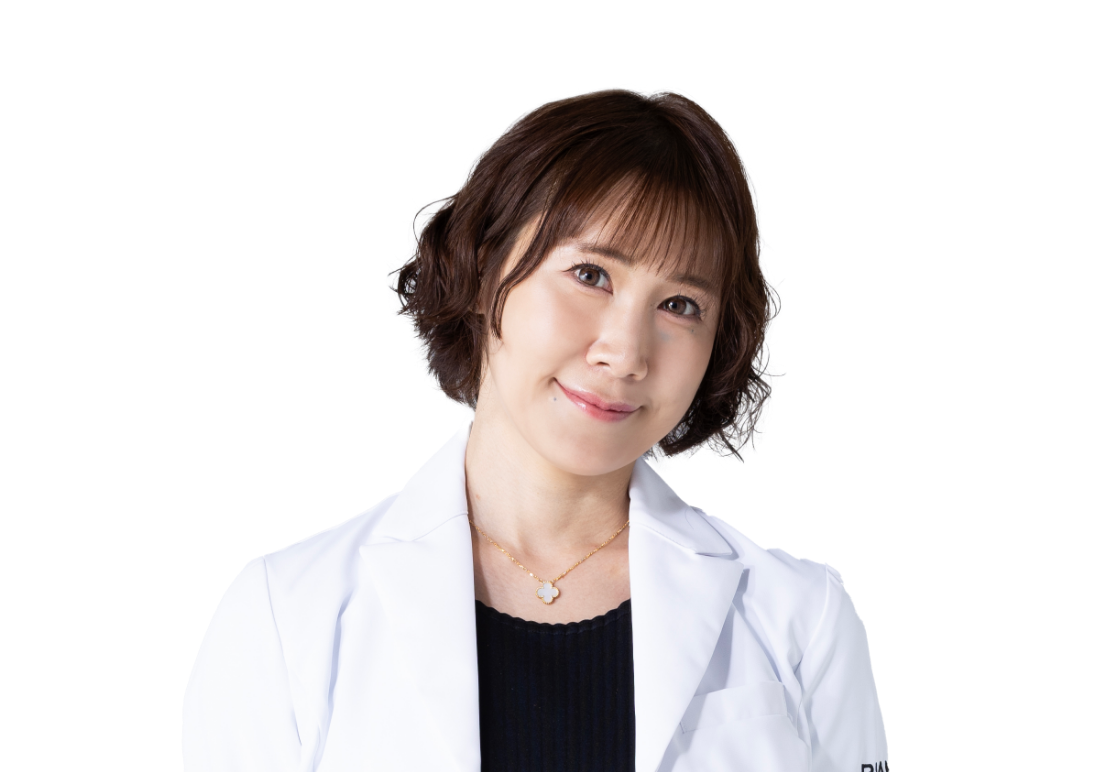
As a plastic surgeon, he has experienced many cases and has developed precise techniques and a deep anatomical understanding. Currently, combining his knowledge of plastic surgery with the latest technology, he provides a wide range of cosmetic treatments for skin, contouring, sagging, and other concerns of aging. He has also shared the responsibility of writing Japan's first textbook on gynecological cosmetic surgery, "Basic Techniques of Gynecological Cosmetic and Plastic Surgery. From her experience as an idol during medical school, she realized that "natural beauty" goes beyond the will to choose how you want to be, and she focuses on supporting her patients to "love yourself more every day". We are English-speaking and value counseling that is easy to talk to.
If you’re concerned about sagging cheeks or a loss of facial definition and start researching facelifts, you’ll likely come across “before-and-after” photos of facelifts online. There’s also a wealth of information available from cosmetic surgery and dermatology clinics in Tokyo and Ginza, and many people find themselves unsure of which sources to trust.
From the perspective of a board-certified plastic surgeon recognized by the Japanese Society of Plastic and Reconstructive Surgery, I’ll provide a clear and easy-to-understand overview of how to interpret “Before & After” photos and how to conduct consultations.
[Doctor’s Point]
When you see those stunning “before and after” photos on social media, you can’t help but get excited, thinking, “I can look like that in no time!”
While textbooks generally state that “significant postoperative swelling lasts about 1 to 2 weeks,” based on my daily experience performing surgeries, I’ve come to realize that the “precision of the layers being dissected” and “proper postoperative compression and immobilization” truly make all the difference in the final aesthetic result and the speed of recovery.
While our board-certified plastic surgeons use their proven techniques to minimize unnecessary damage, proper post-operative care by the patient is also essential for achieving a beautiful outcome. We’re here to provide you with full support, so let’s get through this together.
The goal is to clarify “what aspects will change, to what extent, over what period of time, and in a way that fits your lifestyle.” When you consider not only the changes visible in the photos but also the shooting conditions, the recovery process, and future maintenance, choosing a medical facility in Tokyo becomes a much more realistic option.
This article is intended for those considering consultations at both cosmetic surgery and cosmetic dermatology clinics, as well as those who are already comparing multiple clinics. It summarizes how to interpret facelift “before-and-after” photos, who is and isn’t a good candidate for the procedure, and key points to confirm during a consultation.
Please note that results, pain levels, downtime, and duration of effects vary from person to person. Here, we’ll outline general guidelines and explain how to easily schedule a consultation in the Ginza area of Tokyo.
What a Plastic Surgeon Wants You to Know About “Face Lift Before-and-After” Photos
When looking at before-and-after photos of facelifts, I first check the criteria used for the photos.
Check whether the “Before” and “After” photos were taken from the same distance, at the same angle, and with the same facial expression, and whether there are any differences in makeup or lighting. If these conditions aren’t consistent, it will be difficult to accurately assess the changes.
Next, look at the time period shown. Immediately after surgery, the face may appear sharp due to swelling and puffiness, but this will subside over the course of a few weeks to a few months, revealing your natural contours.
If the "date of the photo" is included in the "Before & After" section, it helps viewers understand the progress.
Furthermore, we identify specific areas for improvement. For example, we look at which areas are showing changes—such as nasolabial folds, sagging at the corners of the mouth, the jawline, and the neck contour.
While board-certified plastic surgeons and reconstructive surgeons evaluate patients based on changes not only in the skin but also in the subcutaneous tissue and supporting layers, viewers will find it easier to make a decision if they focus on whether the area shown matches the one causing their concern.
It’s important not to judge based solely on the “Before & After” images, but to also read the accompanying text.
Are the treatment methods, recovery time, frequency of visits, cost range, and explanations of risks and potential complications explained thoroughly? Transparency regarding this information is a key factor to consider when choosing a medical facility in Tokyo or Ginza.
Things to Keep in Mind When Researching Facelifts in Ginza, Tokyo
Tokyo offers a wealth of information, and Ginza is home to a high concentration of cosmetic surgery clinics and cosmetic dermatology clinics.
Don't rely solely on impressions from advertisements or social media; be sure to verify the information by referring to official sources from medical institutions and the explanations provided during counseling.
When comparing options, don’t just focus on the “Before & After” results; look at the photography standards, recovery schedule, aftercare, and the consistency of the attending physician’s explanations.
From the perspective of ongoing care, Tokyo’s transportation access and ease of getting to medical appointments are surprisingly important.
While Ginza is a convenient place to stop by on the way home from work, the ease of making reservations and the range of prices vary widely.
If there is a single point of contact that spans both cosmetic surgery and cosmetic dermatology, it becomes easier to receive practical recommendations that take into account both surgical and non-surgical options.
Criteria for Choosing a Procedure (From the Perspectives of Both Cosmetic Surgery and Cosmetic Dermatology)
When considering a facelift, the key criterion isn’t “which method is best,” but rather “which one best suits your concerns, lifestyle, and values.” Let’s compare cosmetic surgery and cosmetic dermatology side by side and organize them based on the following criteria.
- The extent of the change and the target layer (whether it acts on the skin, connective tissue, or fat)
- Tolerance for downtime (whether it can be balanced with work, household chores, and scheduled events)
- Frequency and schedule of clinic visits (based on accessibility from Ginza, Tokyo, and time constraints)
- Concept of Sustainability (How long is the expected duration, and how will maintenance be handled in the future?)
- Cost Structure (One-time payment or installments; how to view the total long-term cost)
- Photography Policy (Criteria for Before-and-After Photos and How They Are Disclosed)
Characteristics and Suitability of Incisional Facelifts Performed in Cosmetic Surgery Clinics
An incisional facelift performed at a cosmetic surgery clinic is an option that can provide a noticeable change in volume to address sagging in the lower face and neck. By rejuvenating not only the skin but also the underlying supportive tissues, this procedure aims to create a more defined facial contour.
However, there will be some downtime—such as post-operative swelling, bruising, and redness around the incision—so you’ll need to plan for some rest.
This treatment is best suited for people who have noticeable sagging around the jawline and are able to adjust their work and personal schedules.
We recommend that people who find it difficult to take time off work or who want to start with small changes consider this option carefully.
Since there are also “changes in texture that can be felt but are difficult to capture in before-and-after images,” a physical examination during the consultation is essential.
While there are many clinics to choose from in the Ginza area of Tokyo, be sure to verify that the clinic’s medical safety standards, patient information procedures, and post-operative follow-up systems are a good fit for you. Other important factors to consider include whether the clinic employs board-certified plastic surgeons or reconstructive surgeons, whether it uses a designated physician system, and how to contact them in case of an emergency.
The Role of Sagging Skin Treatments Offered at Cosmetic Dermatology Clinics
Cosmetic dermatology primarily focuses on improving skin firmness and texture, as well as addressing mild sagging.
We combine methods that have a relatively minor impact on daily life, such as energy therapy, injection treatments, and optimized skincare.
The advantage is that downtime is relatively short and adjustments are easy to make. The limitation is that it is difficult to achieve significant changes in the contour.
Given the realities of receiving medical care in Tokyo, it makes practical sense to adopt a phased approach: undergoing maintenance treatments at a cosmetic dermatology clinic during busy work periods and considering major procedures at a cosmetic surgery clinic when you have more time.
In Ginza, there are medical facilities that offer both cosmetic dermatology and cosmetic surgery under one roof. While focusing on “Before & After” results, let’s develop a step-by-step plan that accommodates real-world constraints such as your lifestyle, budget, and work deadlines.
The Benefits of Consulting Both a Cosmetic Surgery Clinic and a Cosmetic Dermatology Clinic in Tokyo
If you consult with both a cosmetic surgery clinic and a cosmetic dermatology clinic in Tokyo, it will be easier to develop a long-term plan.
For example, you might use a facelift to refine the underlying contours of your face, then visit a cosmetic dermatologist during the recovery and maintenance phases to refine the skin’s texture. By considering both the aspects visible in “Before & After” photos and those that are harder to capture, you can more easily avoid unrealistic expectations and disappointment.
In such plans, it would be best for the attending physician to explain the overall picture and, if necessary, include cosmetic dermatology options as well.
Having a wide range of appointment times in easily accessible areas like Ginza can help reduce the stress of going to the clinic.
How to Plan a Schedule That's Convenient for the Ginza Area
Ginza is a major transportation hub, offering excellent access from all over Tokyo. Be sure to coordinate your pre-operative exams, the day of your procedure, and your follow-up appointments—such as suture removal and checkups—with your work, household chores, and other events to create a manageable schedule.
Some people choose to avoid social engagements for a while after undergoing cosmetic surgery. On the other hand, since it’s often relatively easy to adjust the schedule for cosmetic dermatology treatments, it’s practical to plan around them—for example, focusing on cosmetic dermatology appointments before important meetings or photo shoots, and scheduling cosmetic surgery procedures during extended vacations—to create a flexible routine.
Expected Changes and Limitations (The Reality of "Before & After")
A common change seen in before-and-after photos of facelifts is that the shadows along the jawline are smoothed out and the sagging below the corners of the mouth is reduced.
However, the results of the same treatment may vary depending on skin type, age, and lifestyle.
The severity of pain and swelling, the time it takes to return to daily activities, and the duration of these effects vary from person to person. “Before & After” images show only part of the results; by also reviewing how the changes progressed over time, you can minimize the gap between your expectations and reality.
Also, the way a person looks can vary depending on the lighting and makeup. It’s helpful to check whether the shooting conditions are clearly described or if “Before & After” photos taken from different angles are included.
Points to Discuss During Counseling (For Residents of Tokyo)
When attending counseling sessions in Tokyo, carefully reviewing the following points will help you avoid feeling uncertain.
- Sharing Goal Setting (Which body parts to target, to what extent, and over what time frame)
- "Before & After" Photography Guidelines (Lighting, Distance, Facial Expressions, Date of Shooting)
- Treatment Options and Alternatives (Both Cosmetic Surgery and Cosmetic Dermatology)
- Downtime Plan (Rest, Use of Masks, Online Meetings, etc.)
- Aftercare and Communication Procedures (Frequency of Follow-up Visits, Procedure for Sudden Emergencies)
- Cost Range and Transparency of Estimates (Whether There Are Additional Fees, Payment Methods)
Whether the doctor in charge is a board-certified plastic surgeon or a board-certified reconstructive surgeon, and whether the explanation and consent process is conducted thoroughly and takes the necessary time, are important factors to consider for proceeding with confidence.
Creating a Supportive Environment for Consultations in Ginza, Tokyo
In the Ginza area of Tokyo, there are medical facilities that offer both cosmetic surgery and cosmetic dermatology services, as well as systems in place that allow patients to consult with specialists from both fields in coordination. Facilities with clear policies regarding “Before & After” photos—including photography guidelines, consent for publication, and the timeframe for showing progress—and with easily accessible post-operative follow-up services are likely to make it easier for first-time patients to seek a consultation.
Choosing a counseling service that doesn’t pressure you—one that welcomes you even if you’re just at the stage where you “just want to see if it’s a good fit for you”—will help you make a decision you feel confident about. It’s also a good idea to check in advance on practical considerations such as the commute to clinics in Tokyo or Ginza, how easy it is to make appointments, and whether online consultations are available.
FAQ (Frequently Asked Questions)
When looking at before-and-after photos of facelifts, which photos—taken how many months later—are the most helpful?
Considering the time it takes for swelling to subside, “Before & After” photos taken 1 to 3 months or more after surgery are a good reference. If possible, review photos taken at multiple time points.
If I'm looking for a consultation in Ginza, Tokyo, should I start with a cosmetic surgery clinic or a cosmetic dermatology clinic?
If you have noticeable sagging of the facial contours, you might want to start with a plastic surgery clinic; if you’re looking to minimize downtime, a cosmetic dermatology clinic is a good place to begin. If you’re unsure, it’s convenient to have the option to consult with both on the same day.
I have work to do during my downtime. What should I prioritize when planning?
Plan your schedule by working backward from important events and avoiding times when you’ll be in the public eye. It’s practical to take a step-by-step approach, focusing on cosmetic dermatology for short-term treatments and cosmetic surgery procedures during long vacations.
How should I evaluate medical facilities that don't post many "Before & After" photos?
The amount of content may vary depending on our photography and publication policies. Let’s prioritize the quality of the “Before & After” photos available for viewing, the explanations of the treatment process, and the thoroughness of the explanations provided during consultations.
Summary
Before-and-after photos of facelifts are like a roadmap to your goal. Don’t make your decision based solely on the photos; by analyzing them in the context of the photography standards, the treatment process, and how the procedure fits into your daily life, you’ll be able to identify the option that’s right for you. In Ginza, Tokyo, you’ll find a supportive environment where you can consult with specialists in both cosmetic surgery and cosmetic dermatology. Since results, pain levels, downtime, and duration of results vary from person to person, it’s important to work with your doctor to create a realistic plan that works for you.
As long as there’s no high-pressure salesmanship involved, even just a consultation to sort through your options is well worth your time. If you’re wondering whether this is right for you, feel free to start by scheduling a casual consultation at a cosmetic surgery or dermatology clinic in Tokyo or Ginza that’s convenient for you.
The before-and-after results of surgery are truly amazing, but the downtime in between can be a source of anxiety for anyone. However, it’s an important preparation period on your journey to becoming your best self. Don’t worry about it alone—please feel free to share even your smallest concerns with me, your specialist, during your downtime. Let’s work together to achieve a beautiful facial contour.