column (e.g. in newspaper)
2026.09.28
What Is Fibroblast Transplantation? A Nurse Explains Regenerative Medicine Aimed at the “Ultimate in Skin Care” | BIANCA

Through holistic cosmetic medicine, we bring out your confidence and support your inner beauty. Let us pursue longevity and live a healthy and youthful life together. Our goal is to move you beyond satisfaction. We aim to be a place that makes you smile when you visit BIANCA. We aim to be such a place.
“An option aimed at achieving ”the ultimate in skin care.” What is “fibroblast transplantation,” a procedure that cultivates your own cells and reintroduces them into your skin?
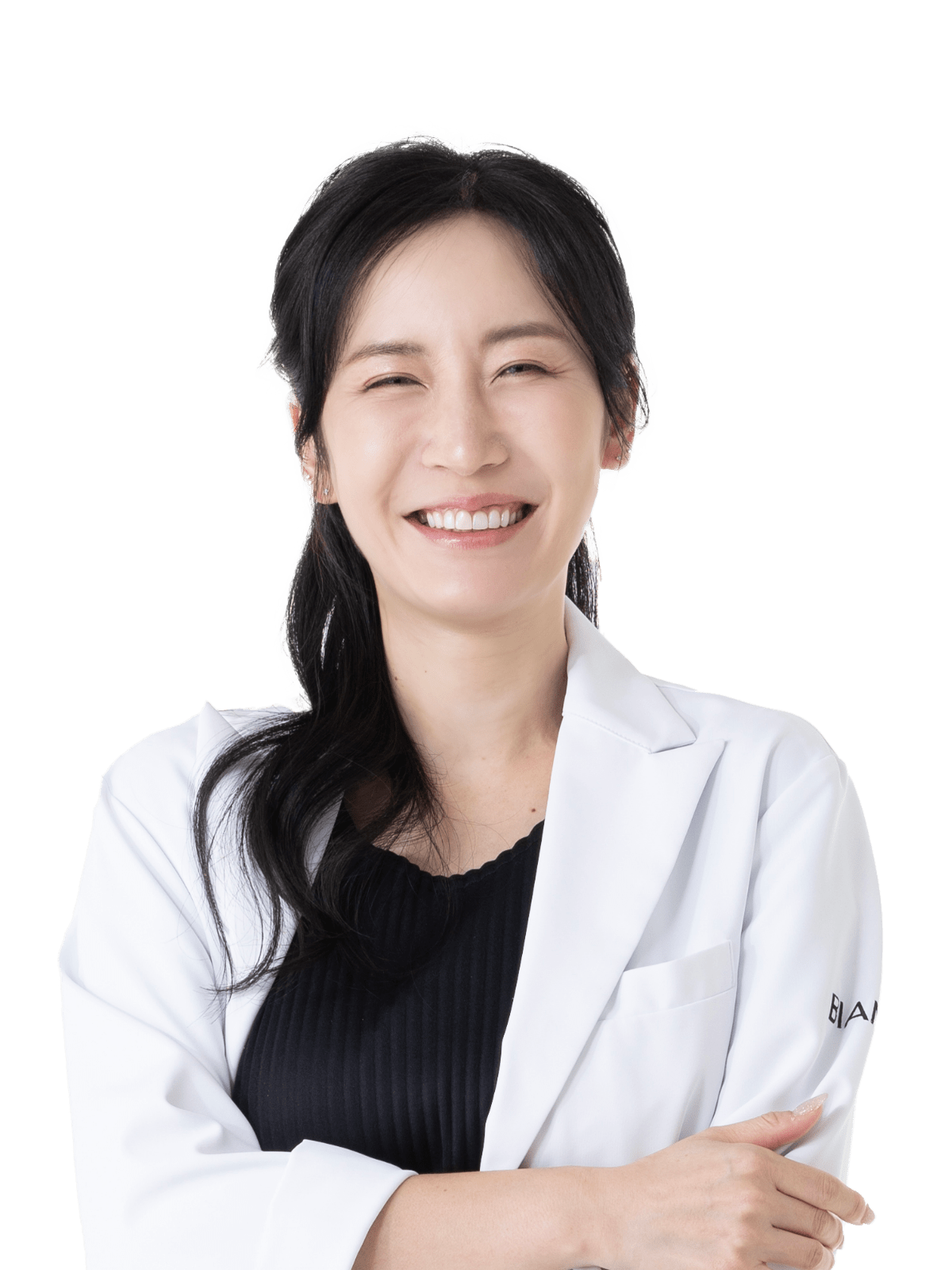
Hello. I'm Fuku, a nurse at BIANCA CLINIC.
In recent years, the term “skin care” has become a common topic in the field of cosmetic medicine.
While treatments that improve skin condition by injecting hyaluronic acid, polynucleotides, and other substances are gaining attention, there is another option you should know about that goes a step further: **dermal fibroblast therapy (fibroblast transplantation)**.
While conventional skin rejuvenation treatments are based on the concept of “supplying the skin with essential nutrients,” fibroblast transplantation, on the other hand,Fibroblasts are harvested from the patient's own skin, cultured to increase their number, and then re-implanted into the skin.
In other words, it does more than just “add something”; it supports the skin’s firmness and elasticity.Regenerative Medicine That Focuses on the Body's Own Cellsis.
In this article, I’ll explain in simple terms—from a nurse’s perspective—what fibroblasts are, how they differ from skin-rejuvenation injections, and who these treatments are best suited for.
What exactly are “fibroblasts”?
Our skin is broadly composed of the “epidermis,” “dermis,” and “subcutaneous tissue.”
Among these, fibroblasts form the foundation of the skin.Cells found in the dermisis.
Dermal fibroblasts play a role in skin firmness and elasticity.The role of producing collagen, elastin, hyaluronic acid, and other substancesis responsible for.
In other words, it plays a crucial role in determining the skin's firmness, elasticity, and smoothness.
However, due to various factors such as aging and ultraviolet rays, the number and function of fibroblasts gradually change.
So I changed my approach, and
Rather than “infusing the skin with beauty ingredients,”
"Culturing and multiplying one's own fibroblasts, then reintroducing them to the necessary areas"
Dermal fibroblast therapy was developed based on this concept.
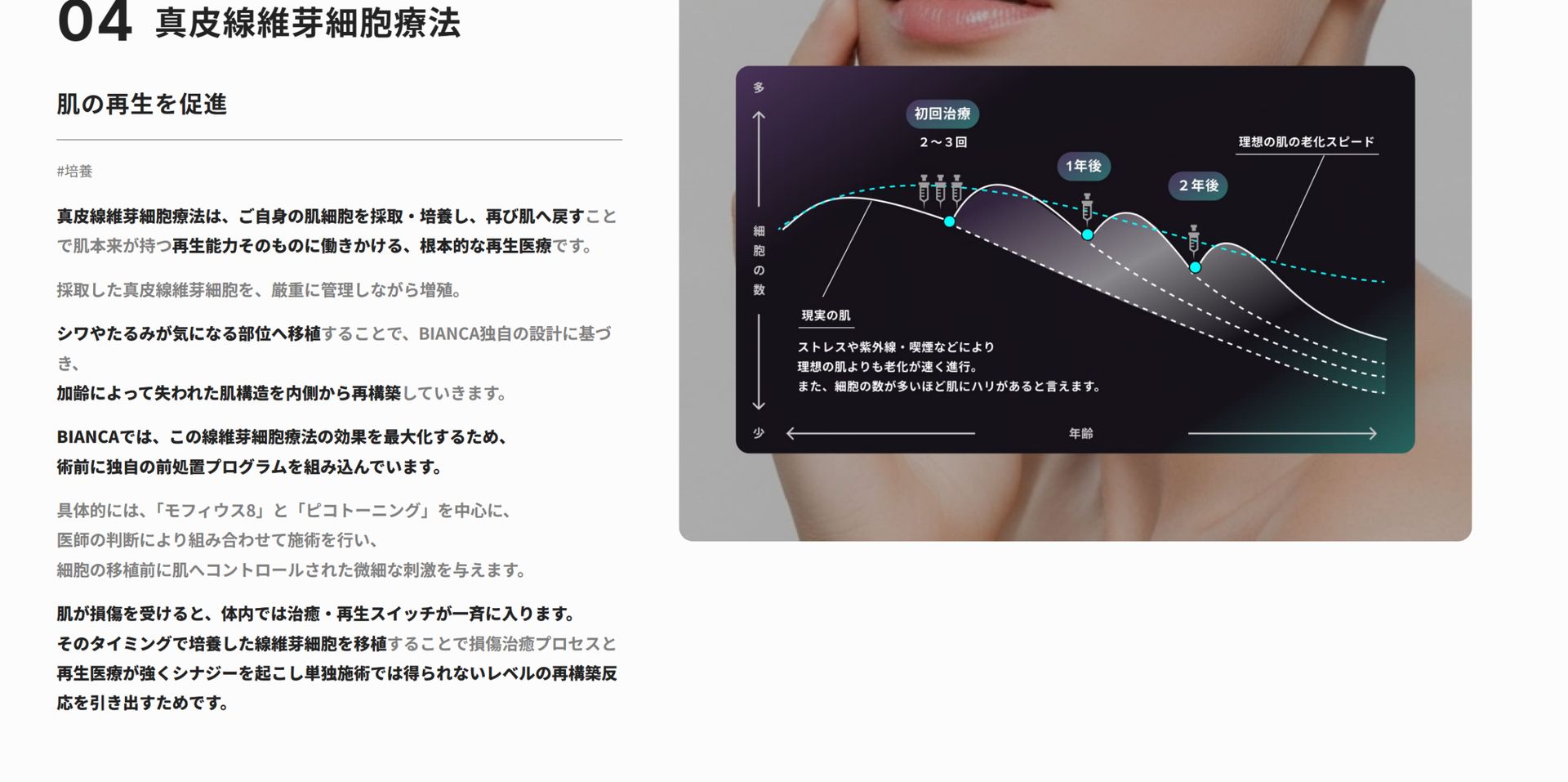
At BIANCA, we culture dermal fibroblasts harvested from the patient’s own skin at a specialized facility and transplant the proliferated cells to the face, neck, hands, and other areas.
Why is this treatment aimed at achieving the “ultimate in skin care”?
In today's aesthetic medicine, there are various skin rejuvenation treatments available, such as Rejuran, Jubelook, Profhilo, and Jalpro.
While each of these treatments has different purposes and characteristics and is highly effective, fibroblast transplantation is significantly different.
That is,The key point is that the main component being injected is “your own cells.”
In conventional skin care, formulations are injected to improve the skin's condition, with the expectation that they will stimulate fibroblasts and other cells.
In contrast, with fibroblast transplantation, the patient’s own fibroblasts are cultured to increase their number and then reintroduced into the skin.
That’s why I started with “skin care” — focusing on what to put on your skin — and then moved on to...A forward-thinking approach centered on the question, “How can we cultivate the very cells that form the skin?”That's how I feel.
“If we’re going to use the phrase ”the ultimate in skin care,” it’s not just about seeking a temporary glow, but rather,A treatment designed to look ahead to your skin’s future and help you maintain healthy skin over the long termThat might be a close approximation of what it means.
What's the difference between fibroblast transplantation and regular skin rejuvenation injections?
| Fibroblast Transplantation | General Skin Care Injections | |
|---|---|---|
| What to Inject | Dermal fibroblasts collected and cultured from the patient's own body | Hyaluronic acid, PN preparations, amino acids, etc. |
| Key Concepts | Focusing on the very cells that make up the skin | Supports the skin's natural balance through its formulation |
| How Change Manifests Itself | Relatively slow | Depending on the formulation, some take effect relatively quickly. |
| Preparing for Treatment | Cell collection and culture are required | In many cases, treatment can be provided on the same day |
| Features | You can store your own collected cells and use them for future treatments. | In many cases, treatment is provided on a regular basis |
It’s not a matter of which one is better.
The appropriate treatment varies depending on whether you’re someone who wants to get your skin in shape early for an event like a wedding, or someone who wants to take a long-term approach to skin care with an eye toward the next 5 or 10 years.
At BIANCA, we focus not only on your current skin condition, but also on,What pace do patients prefer, and what kind of skin are they hoping to achieve?We take all of these factors into consideration when proposing a treatment plan.
What to Expect from Fibroblast Transplantation
Fibroblasts are cells involved in the production of collagen, elastin, hyaluronic acid, and other components that support the skin's structure.
For this reason, with fibroblast transplantation, concerns tend to increase with age.Treating Loss of Firmness and Elasticity, Wrinkles, and Saggingis expected.
The treatment isn't limited to the face.
In addition to the eyes, mouth, cheeks, and forehead, these areas are particularly prone to showing signs of agingNeck and handsWe can treat that as well.
Rather than just filling in specific wrinkles,
"Lately, my skin seems to have gotten thinner."
"My skin just doesn't have the same vitality it used to."
"I want to take care of my skin as I age without making my face look unnatural."
This treatment is recommended for people who...
Do the results show up right away? Fibroblast transplantation is a “regenerative therapy.”
This is a key point I’d like you to be aware of, especially during counseling.
Unlike hyaluronic acid, fibroblast transplantation is not a treatment intended to produce a change in volume immediately after injection.
Since the transplanted cells integrate into the skin and begin working within it,Change occurs gradually over time.
At BIANCA, we advise that you can generally begin to notice changes in your skin approximately three months after your treatment. Although results vary from person to person, you can expect to see improvements in firmness and elasticity over a period of about 3 to 12 months.
That is precisely why fibroblast transplantation is,
Not “a treatment to make your skin look good this week,” but “a treatment you start with your skin’s future in mind.”
I think that's a pretty close description.
BIANCA Fibroblast Transplantation | Treatment Process
First, a doctor will conduct an examination to assess your skin condition, concerns, and the treatment areas.
After that, we will perform a blood test, take a skin sample about the size of a grain of rice from behind the ear, and draw blood for the cell culture.
The collected cells are sent to a specialized cell culture facility, where they are cultured and propagated over a period of about five weeks.
The first transplant is typically performed approximately 5 weeks to 3 months after skin harvesting, and the second transplant is typically performed within approximately 2 weeks of the first transplant.
Later on, you may be able to undergo treatment again using the stored cells.
"It's not just about collecting it for treatment right now," but rather,You can preserve your own cells, as they were at the time of collection, for the future.That, too, is one of the unique appeals of this treatment.
At what age is it recommended to start?
"I don't have any major wrinkles yet—is there any point in starting?"
I sometimes get asked this question.
You can consider fibroblast transplantation even after you’ve already begun to worry about noticeable wrinkles and sagging skin.
On the other hand, considering the nature of this treatment—which involves collecting and storing cells—“A preventive approach to skincare based on the idea of ”preserving your current cells for the future”You can also do that.
Whether you’re in your 20s or 30s and just starting to think about your future skincare routine, or in your 40s, 50s, or older and noticing changes in your skin’s texture, this has a different meaning for each of you.
The important thing is not to decide based on “how old you are,” but to make a decision based on the current condition of your skin and how you want to age in the future.
What is the downtime?
After a skin cell transplant, you may experience redness, swelling, or bruising from the injection.
At BIANCA, we advise that you may resume washing your face, applying makeup, and taking baths the very next day. While swelling, redness, and bruising usually subside within about 1 to 2 weeks, there is a rare possibility that lumps may develop.
Furthermore, even treatments that use a patient’s own cells are not entirely risk-free.
During the pre-treatment consultation, we review your medical history and current medications to determine your eligibility for treatment, taking safety into consideration.
This treatment is for people like this
I feel that fibroblast transplantation is a treatment that is particularly well-suited for people who want to age naturally and in a way that is true to themselves, rather than seeing changes that make it obvious they’ve had a procedure.
This is an option we’d like you to consider if you’re concerned about wrinkles or sagging, feel that your skin has lost firmness and elasticity, want to incorporate anti-aging care for your neck and hands, are interested in regenerative medicine using your own cells, or wish to start a skin care regimen with a long-term perspective—looking ahead to where your skin will be in 5 or 10 years.
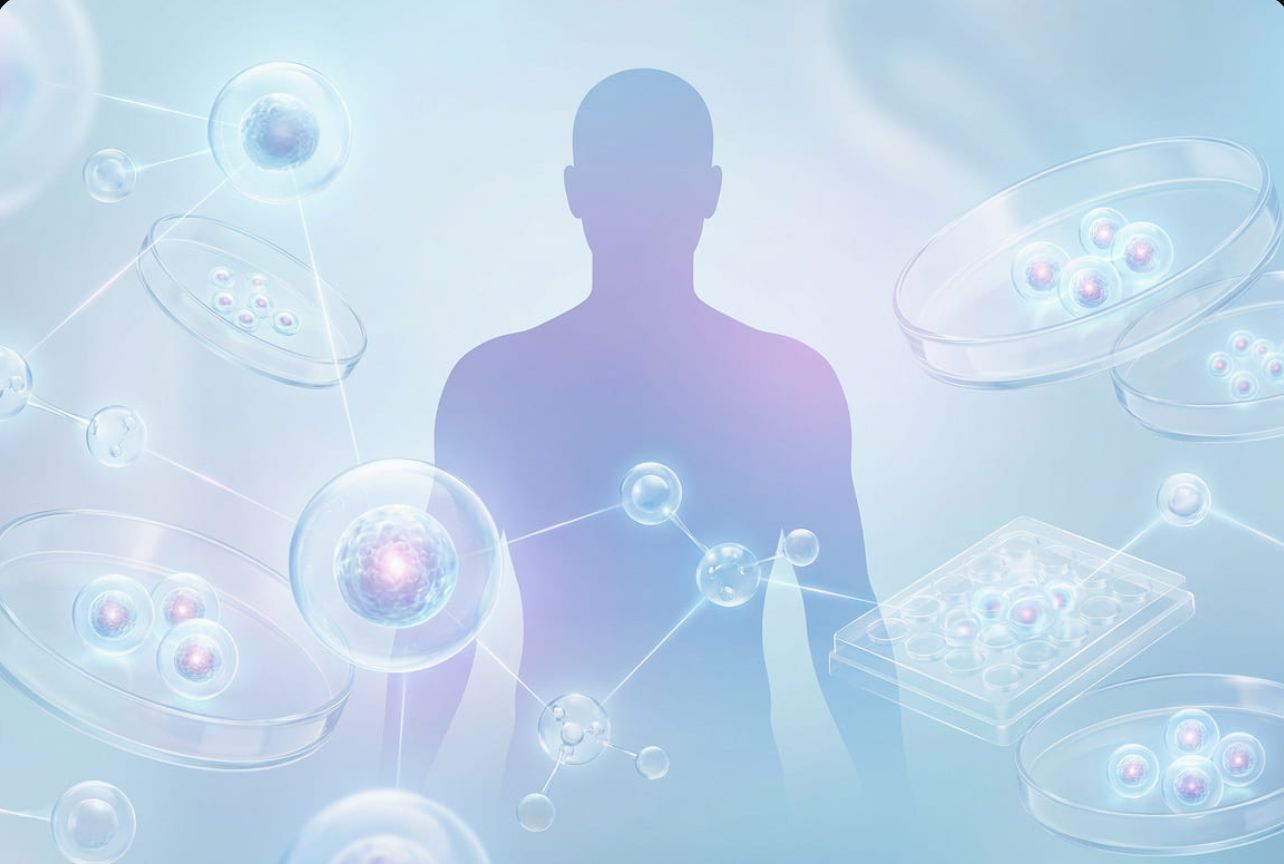
An approach that focuses not only on “beauty now” but also on nurturing “future skin”
When it comes to skin care,
"What kind of medication should I use?"
"How often should I get a shot?"
That's how the conversation tends to go.
Of course, that's important, too.
But once you learn about fibroblast transplantation, you’ll realize there’s one more thing to consider when it comes to skincare,
"Preserving the very cells that make up your skin for the future"
You realize that there is such a way of thinking.
From cosmetic procedures that improve your skin today to those that take your skin’s future—10 years from now—into account.
Moving forward, skin care isn’t just about “what to replenish,” but also about,How to Make the Most of Your Skin's Natural AbilitiesPerhaps we are heading into an era like that.
Find Regenerative Medicine Tailored to Your Skin at BIANCA
Even if you're interested in fibroblast transplantation,
"Is it too soon for me?"
"Would the regular skin-nourishing injection be a better fit for me?"
"Where should I put it?"
"Can I use this in combination with the cosmetic treatments I'm currently receiving?"
I'm sure you have a lot of questions, such as...
When choosing a treatment, the key is not simply to undergo whatever procedure is currently trending, but rather,Choose a treatment that suits your current skin condition and the skin you want to achieve.is.
At BIANCA CLINIC, after a doctor assesses your skin condition, we will propose a personalized treatment plan from a range of skin care and regenerative medicine options, including fibroblast transplantation.
Since our treatment is completely customized, we will provide you with pricing information during your consultation based on the specifics of your treatment.
Not just for “your skin today,” but for “your skin tomorrow.”
We invite you to learn more about fibroblast transplantation, a new option for skin care.
▶︎ Consultation and Online Appointments for Fibroblast Transplantation
Treatment Overview
Treatment Name
Dermal Fibroblast Therapy (Skin Regeneration Treatment Using Autologous Cultured Dermal Fibroblasts)
Treatment Details
Dermal fibroblasts harvested from areas such as behind the ear are cultured and multiplied at a specialized facility, then transplanted to treatment sites such as the face, neck, and hands.
Estimated Treatment Duration and Number of Sessions
The first transplant is performed approximately 5 weeks after the skin and blood samples are collected, and the second transplant is typically performed within about 2 weeks. The treatment plan varies depending on the patient's condition.
Major Risks and Side Effects
Swelling, redness, bruising, pain, lumps, etc.
Cost
Since this is a completely customized treatment, we will provide you with personalized information following your examination and consultation.
This treatment is provided on a private-pay basis. Furthermore, BIANCA CLINIC’s skin regeneration treatment using autologous cultured dermal fibroblasts is provided in accordance with a Regenerative Medicine Provision Plan submitted under the “Act on Ensuring the Safety of Regenerative Medicine, etc.” This provision plan is also listed in the Ministry of Health, Labor and Welfare’s public database.
Author
Nurse Fuku
BIANCA CLINIC
RN
BIANCA CLINIC
BIANCA CLINIC GINZA
12F ONE GINZA, 1-8-19 Ginza, Chuo-ku, Tokyo
A 1-minute walk from Tokyo Metro's "Ginza-itchome Station"
Office Hours: 10:00 a.m. to 7:00 p.m.
TEL: 050-3196-4834
BIANCA CLINIC OMOTESANDO
Minami Aoyama 511 Building 2F, 5-11-10 Minami Aoyama, Minato-ku, Tokyo
A 5-minute walk from Exit B1 of Omotesando Station on the Tokyo Metro Ginza Line
Office Hours: 10:00 a.m. to 7:00 p.m.
TEL: 050-1807-1593
*Please confirm the eligibility criteria, participating clinics, and treatment details during your consultation.