column (e.g. in newspaper)
2026.10.24
How to Treat Melasma with Mesona J? A Professional Explanation of Drug Selection and Combination Therapy

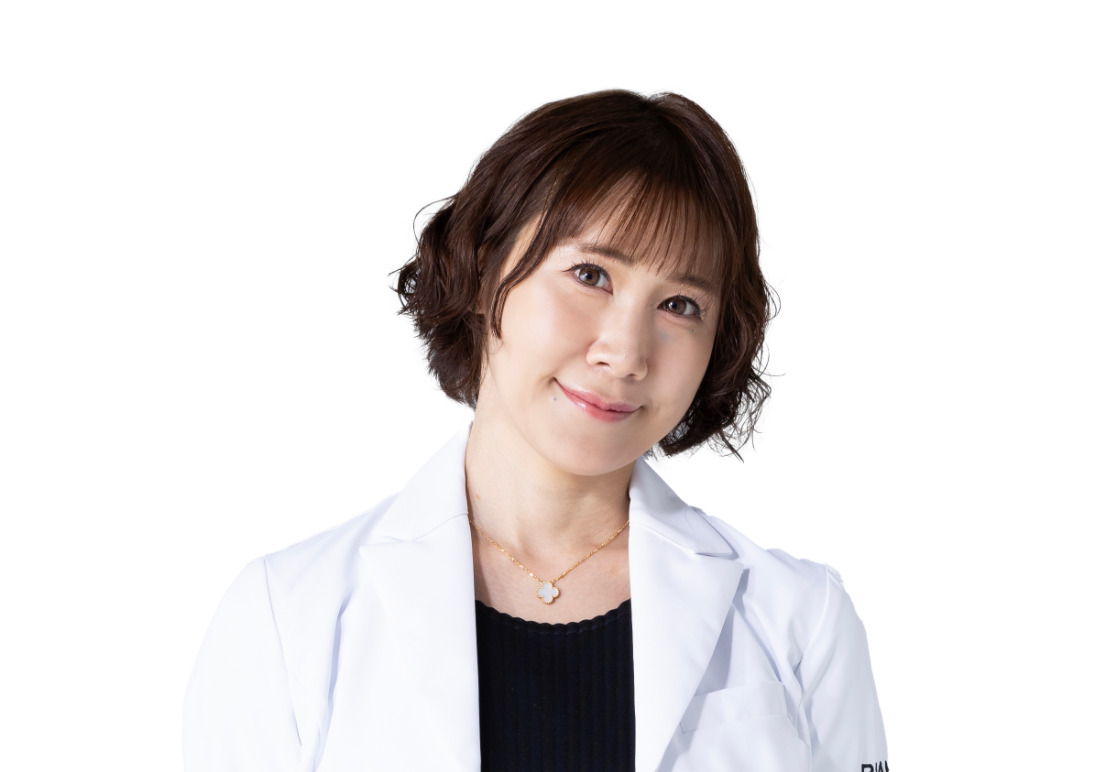
As an Assistant Professor, Associate Ward Director, and Chief of Dermatopathology at the university hospital dermatology department, I deepened my expertise through academic presentations and paper publications both domestically and internationally. I have handled a wide range of treatments, from birthmark therapy in children to adult pigmentation concerns, utilizing various lasers and injection therapies, while also contributing to community healthcare. Through encountering numerous cases, I strongly felt the potential and necessity of aesthetic medicine, resolving to pursue further expertise. Building upon my solid dermatological knowledge and meticulous diagnostic skills, I value treatments that gently support each individual's skin while bringing out its inherent beauty.

That hazy, uneven discoloration on your cheeks persists, and its intensity fluctuates depending on the season or your physical condition—the worry over melasma really affects your daily mood, doesn’t it?
For melasma that is sensitive to irritants, a "gentle balancing" approach can sometimes be more helpful than a harsh one.
In this section, we’ll provide an honest summary of the key points you need to consider when comparing options—from the differences in product selection to the use of Mesona J, which is designed to deliver active ingredients while minimizing skin irritation, and even the option of combining it with stem cells and exosomes.
Keeping in mind that results and personal experiences vary from person to person, let’s work together to map out a path that fits your lifestyle and goals.
[Doctor’s Note]
When treating melasma, it is important to accurately identify the type of pigmented lesion and develop a treatment plan that minimizes irritation.
Mesona J is an option for delivering cosmetic ingredients such as tranexamic acid and vitamin C derivatives into the skin; however, its effectiveness in treating melasma must be considered separately from oral and topical treatments.
At BIANCA CLINIC, based on the Mesona J product lineup, we consider treatment options tailored to each individual’s skin condition—including not only melasma but also dryness and loss of firmness.
Mesona J and the Basics of Melasma Care
Mesona J is a “needle-free infusion” treatment that uses subtle electrical stimulation and other methods to enhance the penetration of beauty ingredients.
It is characterized by relatively little pain and downtime, making it easy to incorporate even in cases—such as melasma—where it’s important to avoid irritation.
However, it’s not intended to guarantee any medical benefits; a more realistic approach is to use it in conjunction with basic skincare routines—such as sun protection and friction control—to achieve a subtle brightening effect.
Understanding Melasma
Melasma is a type of hyperpigmentation that is prone to fluctuations due to a combination of factors, including UV exposure, friction, hormonal imbalances, and dryness.
Rather than targeting a single dark spot, a holistic approach—such as “calming inflammation,” “restoring the skin barrier,” and “preventing the buildup of oxidative stress”—tends to be more effective.
The key is to prioritize stability—even if it means taking things slowly—and to minimize the factors that could trigger a relapse.
How the Choice of Product Affects How It Feels and the Final Result
Depending on the design of the chemical solution used, the noticeable changes and the final texture will vary. Typically, the following approaches are available:
- Skin-Brightening and Anti-Inflammatory Products: For those who want to gently even out dullness or who are prone to flushing.
- Moisturizing and Barrier Support: For those who want to minimize dryness-related fluctuations and prioritize shine and softness.
- Antioxidant and Skin-Conditioning Products: For those who lead a life with a lot of external stress and want to enhance their skin's natural radiance.
Since the way the effects manifest and how long they last can vary depending on the product, it’s essential to choose one that suits your skin condition and daily routine.
Furthermore, by combining stem cell-derived ingredients and exosomes, the formulation can be designed to help optimize the skin's environment.
However, since expectations and the range of scientific knowledge vary by medical field, you should discuss the best approach with your doctor, taking into account your goals, budget, and frequency of visits.
Who is this best suited for? People who want to consider their options carefully
- People Who Are Prone to It: Want to minimize downtime / Skin tends to flare up with irritation / Want to continue the treatment while balancing work and childcare / Want to even out the tone and texture of my entire face
- People who want to consider this carefully: Want to specifically target only deep dark spots in a short period of time / Have a history of allergies to any of the ingredients / Are currently experiencing an active phase of dermatitis (should focus on stabilizing the condition first)
It’s also important to note that there are situations where other methods—such as light and laser treatments or chemical peels—may be more suitable. Rather than comparing which is better, it’s important to choose based on whether the treatment “fits your current skin condition and lifestyle.”
Treatment Process and Recommended Frequency
Generally, the entire process—from cleansing to the introduction step—takes about 30 to 60 minutes. The typical approach is to start with a few sessions every 2 to 4 weeks, followed by maintenance sessions at longer intervals.
While pain is often described as mild or nonexistent, there are individual differences in how it is perceived and how long it lasts.
Risks and Downtime
Temporary redness, flushing, or dryness may occur, as well as irritation due to sensitivity to certain ingredients or an increase in the appearance of acne.
If you don't take adequate precautions against UV rays, you may notice your skin tone becoming duller.
For your first session, we recommend starting at a comfortable pace, including a low-irritation regimen and a patch test.
How to Interpret "Before & After" Images
The impression can change significantly depending on the shooting conditions (lighting, angle, and skin moisture levels).
Since melasma manifests as patchy discoloration across the face, look for gradual changes based on multiple indicators, such as overall skin tone evenness, radiance, and how well makeup applies. The key is to take your time and factor in seasonal variations when evaluating your skin.
Frequently Asked Questions
Q. Do you notice a difference even after just one session?
While some people may notice changes in how the product blends into the skin or its texture, it’s realistic to expect that color unevenness will stabilize only after several applications.
Q. Is there any pain or downtime?
You may experience a slight stinging sensation or redness. In most cases, these symptoms subside on the same day or the next day, though this varies from person to person.
Q. Who is the combination of stem cells and exosomes suitable for?
This treatment is popular among those concerned about dullness or uneven skin texture, as well as those looking to improve their complexion. Whether it offers good value for money depends on your specific goals.
Q. How should I care for myself at home?
It’s essential to apply sunscreen thoroughly, wash your face gently to minimize friction, and moisturize consistently. Consult with your skincare specialist to find topical products that work best for you.
Q. Can this treatment be combined with other treatments?
While some combinations are possible, please be sure to consult with us regarding the timing and order to avoid overstimulation.
Let's start with a consultation
The best solution varies depending on your skin type, the season, and your daily routine.
During the consultation, we’ll help you articulate your goals (evening out skin tone, achieving a translucent complexion, and improving skin texture), and together we’ll work out the treatment formulation, whether to incorporate stem cells and exosomes, as well as the frequency of treatments and your budget.
We don’t push sales—we prioritize sustainability above all else in our recommendations, so “if you’re wondering if this is right for you, please feel free to reach out.”
Summary
When treating melasma, an approach that balances the overall condition while minimizing irritation tends to be effective. Mesona J is easy to use as a foundation for this, and it’s important to note that the choice of medication can significantly affect the patient’s experience.
Apply stem cells and exosomes as needed, incorporating them into your daily routine alongside protection against UV rays and friction—this consistent approach is the fastest way to achieve a natural, even skin tone. Designed to fit your skin and lifestyle, let’s continue this routine wisely and comfortably.
When treating melasma with Mesona J, it is important to understand the characteristics of the active ingredients being administered and to select them based on your skin condition and treatment goals.
Each ingredient—such as tranexamic acid and vitamin C derivatives—plays a different role, and the use of Mesona J alone does not guarantee improvement in melasma.
Based on a skincare routine that focuses on UV protection and minimizing friction, consult with your doctor to develop a treatment plan tailored to your skin, incorporating oral and topical treatments as needed.