column (e.g. in newspaper)
2026.10.24
How Often Should You Get Botox? A Cosmetic Surgeon Explains Treatment Intervals by Body Part, Duration of Effects, and the Risks of Overuse
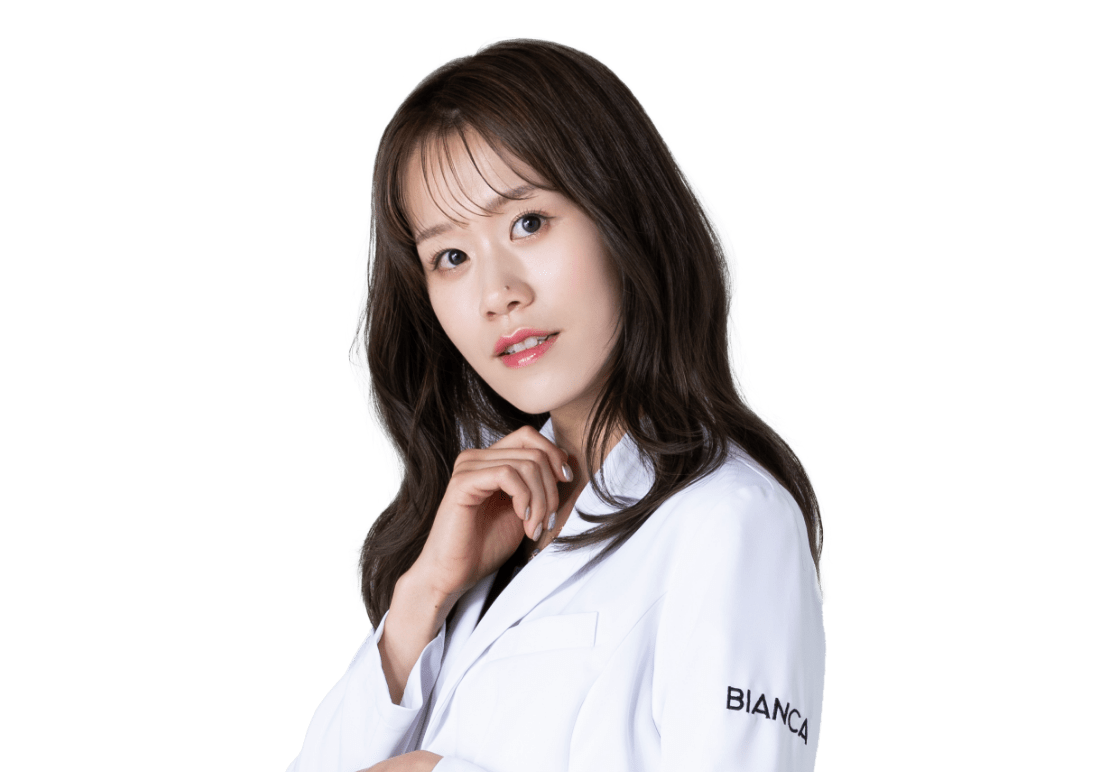
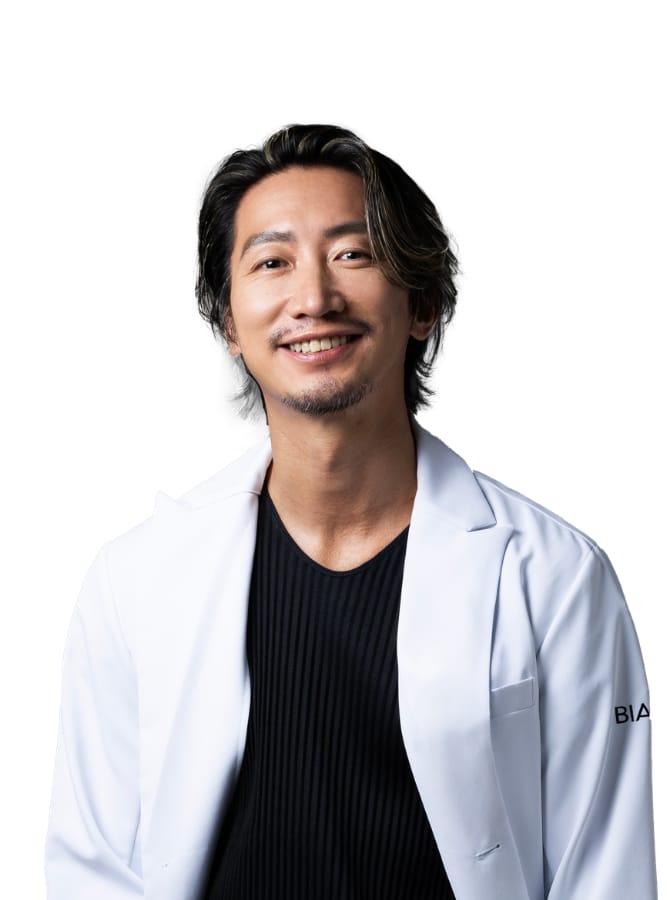
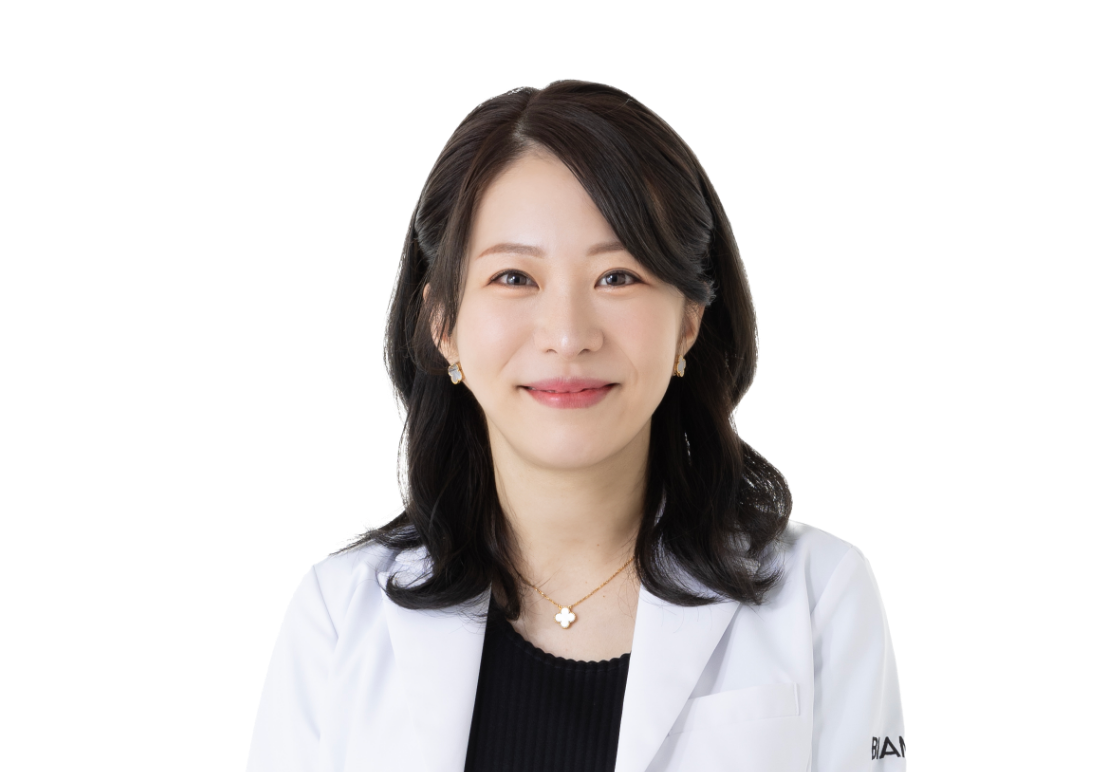
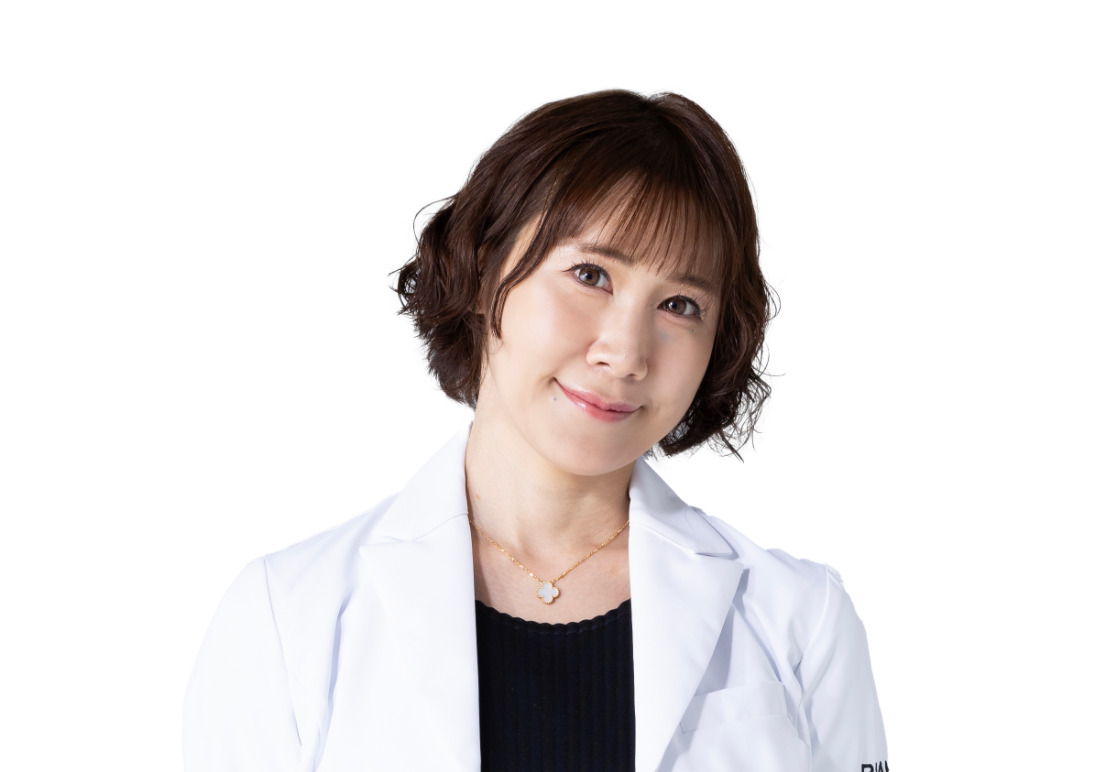
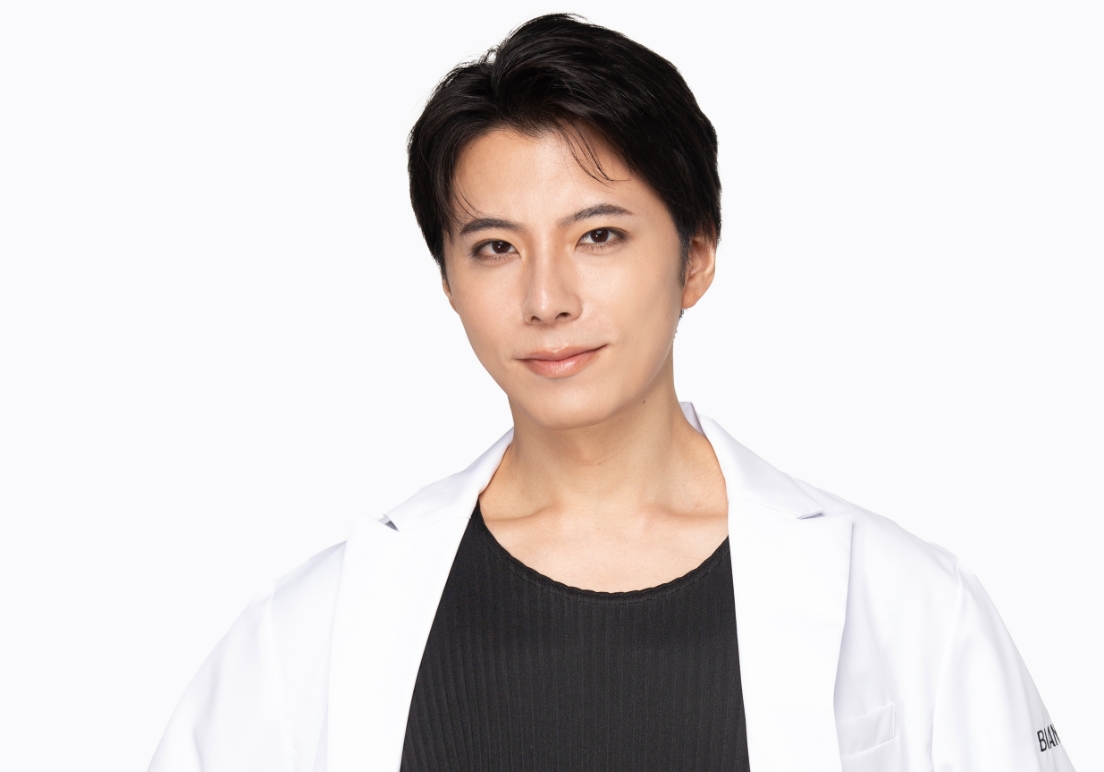
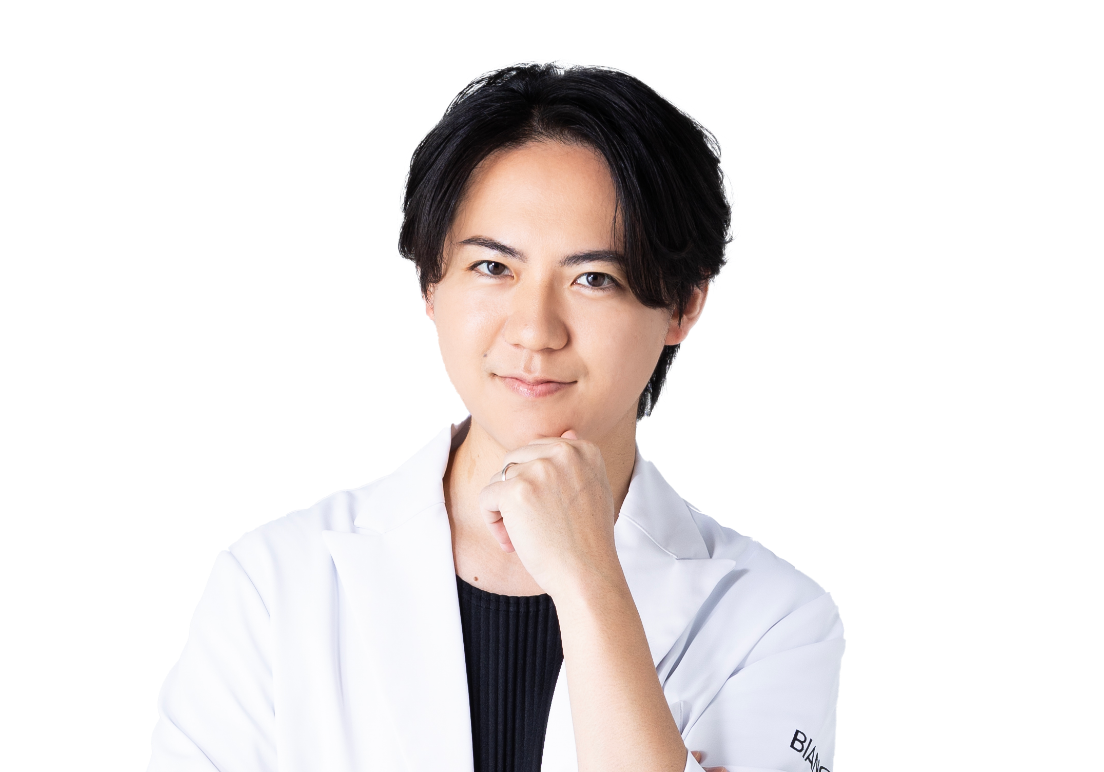
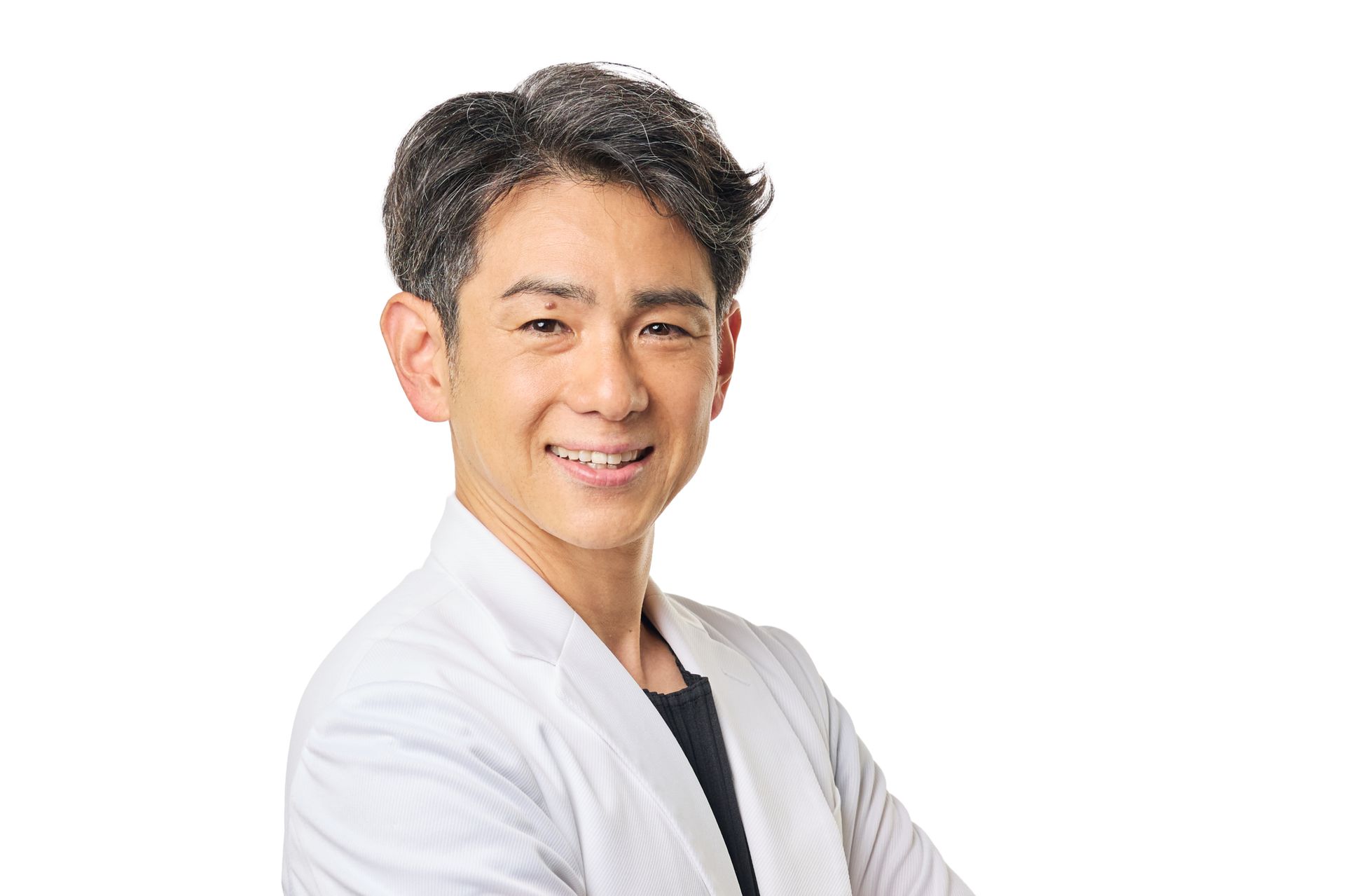
My journey into aesthetic medicine stems from a desire to help enrich and beautify lives beyond simply treating illness. My specialties include hyaluronic acid, Botox, and thread lifts. I provide treatments that enhance each individual's unique qualities and bring out an elegant, natural beauty. For concerns around the eyes that are difficult to improve with dermatology alone, I also perform surgical procedures. By integrating dermatology and surgery, I holistically balance the entire face. With three periods of overseas study, I am also able to provide consultations in English.
 Doctors' Point
“How often should I get Botox injections?” “Do I absolutely have to get another injection after three months?” “If I keep getting Botox injections regularly, will it eventually stop working?” I think the appropriate interval between treatments is a common concern for both those who are already receiving Botox treatments and those who are about to have their first treatment.
To get straight to the point, while a general guideline is to have Botox treatments every 3 to 4 months, it is not necessary to continue receiving injections every 3 months. According to the package insert for Botox Vista, which is approved in Japan, while re-treatment is permitted for expression lines between the eyebrows and at the corners of the eyes, as well as for masseter muscle bulging, if symptoms recur, re-treatment should be avoided within 3 months. However, this does not mean that you “must” receive another treatment once 3 months have passed.
When determining the interval between Botox treatments, I place great importance on how much muscle movement has returned and what kind of results the patient is hoping for.
For example, with Botox injections between the eyebrows, even after muscle movement begins to return, the wrinkles may remain less noticeable.
On the other hand, with jaw Botox, even if the muscle-relaxing effect wears off, the volume of the masseter muscle may not immediately return to its original state. As such, even though it is the same Botox, the appropriate interval between treatments varies depending on the treatment site and the intended purpose.
It is also important to note that repeating the treatment at intervals that are shorter than necessary may weaken the muscles too much or reduce the treatment’s effectiveness due to the production of neutralizing antibodies.
In this article, we’ll explore the topic of “How Often Should You Get Botox?” from a cosmetic surgeon’s perspective, providing a detailed explanation of treatment intervals by body area, how long the effects last, the differences between 3-month, 4-month, and 6-month intervals, the pros and cons of ongoing treatment, and even the risk of developing antibodies.
How Often Should You Get Botox in Ginza, Tokyo? A Cosmetic Surgeon’s General Guidelines
For cosmetic Botox treatments, a period of about 3 to 4 months is generally considered a good guideline for determining when to schedule a follow-up treatment. However, it is not necessary to continue treatments every 3 months. The cosmetic surgery clinic will make this determination based on a comprehensive assessment of the extent to which muscle movement has returned, the remaining visible changes, and the level of naturalness the patient desires.
In Tokyo, it’s not uncommon for people to schedule their treatments at clinics in Ginza to coincide with seasonal events or busy periods at work.
Generally, it's 3 to 4 months, but it's not determined by the calendar.
Even with the same Botox treatment, the way the effects wear off and the appearance of the results differ between expression lines between the eyebrows and at the corners of the eyes, and the masseter muscle (jawline). For example, between the eyebrows, there may be a period when the wrinkles are still less noticeable even after movement returns, while in the masseter muscle, changes in volume may persist even after the contraction subsides.
The criteria are largely the same at cosmetic dermatology clinics as well; three months is a “guideline for reassessment” rather than a “mandatory follow-up.” One of the benefits of visiting cosmetic surgery and cosmetic dermatology clinics in Tokyo is that it’s easier to balance these appointments with your daily life.
Approval Scope and Guidelines for Re-administration (Japan)
For Botox Vista, which is approved for use in Japan, the instructions state that re-treatment should be avoided within 3 months for expression lines between the eyebrows and at the corners of the eyes, as well as for masseter muscle bulging. This guideline is based on safety and efficacy considerations and does not mean that “an additional treatment is required once 3 months have passed.”
Please note that the forehead, chin, corners of the mouth, shoulders, and armpits are not approved for cosmetic purposes. Whether treatment is actually possible and the recommended intervals between treatments will be explained on a case-by-case basis at cosmetic surgery, cosmetic dermatology, and cosmetic internal medicine clinics. Our clinic in Ginza, Tokyo, also provides detailed guidance on this matter.
[By Body Part] Recommended Intervals for Botox Treatments and How to Approach Them
Botox for the glabella: Consider treatment after 3 to 4 months
It suppresses the activity of the corrugator supercilii and procerus muscles to soften expression lines. Even if some movement returns, if the wrinkles are still shallow, you may choose to wait and see without rushing into treatment. At cosmetic surgery and dermatology clinics in Tokyo, it seems that many practitioners avoid excessive, short-term repetition to preserve the natural appearance of facial expressions.
Forehead Botox: Evaluate eyebrow position 3 to 4 months or more after treatment
The frontalis muscle is responsible for raising the eyebrows. Since over-stimulating this muscle can cause the eyebrows to droop, any additional treatment should be approached with caution. We make our decision based on a combination of the muscle’s recovery status, how the wrinkles are resolving, and how easily the patient can open their eyes. At our outpatient clinic in Ginza, Tokyo, we also take great care to ask patients whether they are experiencing any inconvenience in their daily lives.
Botox for the Outer Corners of the Eyes: After 3–4 months, prioritize a natural-looking smile
Treatments targeting the orbicularis oculi muscle affect the appearance of your smile. For some people, the approach of “elegantly refining natural smile lines” may be a better fit than completely eliminating wrinkles. Whether you choose cosmetic dermatology or cosmetic surgery, we’ll carefully discuss your preferences for the final results.
Botox for the Masseter Muscle: An Option Even After 4 to 6 Months
After the contraction of the masseter muscle weakens, the volume may decrease over time. If the facial slimming effect is still visible, it makes sense not to rush into a touch-up. Since issues such as difficulty chewing, sunken cheeks, and noticeable sagging vary from person to person, a consultation at a cosmetic surgery clinic is essential.
Corners of the Mouth, Jaw, Shoulders, and Armpits: Adapting to the Characteristics of Each Area and Your Lifestyle
Treatments for the corners of the mouth and chin are typically considered on a 3- to 4-month cycle. For the shoulders, decisions are made based on muscle strength, sports activities, and training habits; for the underarms, sweat reduction may last 4 to 6 months. It is also common to schedule appointments in Ginza to coincide with the Tokyo summer season.
3 months, 4 months, or half a year—how do you choose between these intervals?
Three months marks the starting point for reevaluation; four months is an example of when the effects begin to fade in many areas; and after six months, while the relaxation of the facial muscles has often subsided considerably, changes in volume may still be noticeable in the jawline. Whether at a cosmetic surgery clinic, cosmetic dermatology clinic, or cosmetic medicine clinic, we assess the “residual effects from the previous treatment” to adjust the dosage so it is neither too much nor too little.
More and more people are choosing to schedule their appointments in Ginza flexibly to fit their business and event schedules in Tokyo.
The Risk of "Over-Vaccination" at Short Intervals and Antibodies
-
Muscle weakness and functional issues: drooping eyebrows, difficulty chewing due to jawline issues, and sunken cheeks. Symptoms vary from person to person, so follow-up care at a cosmetic surgery clinic is important.
-
Possibility of neutralizing antibodies: Although this is considered rare, it is best to avoid repeated treatments over a short period or unnecessarily high doses. This approach is also followed in cosmetic dermatology and cosmetic internal medicine practices.
-
Misconceptions About Reduced Effectiveness: Since other factors—such as changes in dosage, target muscles, or lifestyle—may also be at play, we do not immediately increase the number of units; instead, we carefully assess the cause during outpatient visits at our Ginza, Tokyo, clinic.
Differences in Perspective Between Cosmetic Surgery, Cosmetic Dermatology, and Cosmetic Internal Medicine
Cosmetic surgery places a strong emphasis on “overall balance and function,” providing a comprehensive evaluation of facial expressions, chewing function, and changes in facial contours. Cosmetic dermatology addresses changes in “skin appearance and texture” with meticulous care. Cosmetic internal medicine ensures safety by taking into account “overall health and medical history.”
By bringing together perspectives from various professions, it becomes easier to create manageable plans even amid the hectic pace of life in Tokyo, and more clinics in Ginza are adopting systems that prioritize collaboration among the three parties.
Treatment Schedule Comparison with Liposuction and Breast Augmentation (A Case Study from Ginza, Tokyo)
Botox is a maintenance treatment that requires minor adjustments every few months. On the other hand, liposuction and breast augmentation involve downtime, recovery periods, and follow-up appointments, so the way you schedule your clinic visits will be different. If you’re balancing work and parenting in Ginza, Tokyo, the following points may be helpful.
-
Liposuction: Because of the need to manage post-operative swelling and compression, the follow-up schedule is clearly defined. Make sure your Botox appointments do not overlap with important follow-up visits for your liposuction.
-
Breast Augmentation: To monitor the stability of the shape and any changes in sensation, follow-up visits will be more frequent in the early stages. Botox treatments should be scheduled once the results of the breast augmentation have stabilized.
-
Planning Your Lifestyle in Ginza, Tokyo: Spread out your procedures throughout the year—for example, scheduling major procedures like liposuction and breast augmentation during peak seasons or long vacations, and Botox treatments during off-peak periods. It’s reassuring to work with your cosmetic surgery, cosmetic dermatology, and cosmetic medicine specialists to develop a plan together.
It’s important to note that in Tokyo’s cosmetic medicine field, rather than comparing the relative merits of liposuction or breast augmentation to Botox, it’s more practical to choose a treatment plan that best suits your “goals and lifestyle.” Even at clinics in Ginza, performing multiple procedures on the same day is carefully evaluated from the perspectives of patient comfort and safety.
The Consultation Process at a Cosmetic Surgery Clinic in Ginza and How to Interpret Before-and-After Photos
At our outpatient clinic in Ginza, Tokyo, we first confirm the date of your last treatment, the product used, the dosage, and whether there were any side effects, and then examine changes in muscle movement and appearance. Next, we ask about your preferences regarding natural-looking results and how long you’d like the effects to last, and suggest a treatment plan centered on either 3 months, 4 months, or half a year. We also collaborate with our cosmetic dermatology and cosmetic internal medicine departments to check your overall health and medication history.
When evaluating "Before & After" photos, focus on "natural facial expressions," "lighting conditions," and "the passage of time." For those seeking a sophisticated look that embodies the essence of Ginza, a design that is subtly refined and elegant—rather than overly dramatic—is often the best choice, as it also blends seamlessly into Tokyo’s business environment.
Frequently Asked Questions (FAQ)
Q1. Do I have to get Botox injections every three months?
It's not always the case. Three months is a general guideline for re-evaluation. The decision will be made by the cosmetic surgery or cosmetic dermatology clinic, taking into account the remaining effects and your desired results.
Q2. Is it okay to do this every six months?
Depending on the treatment area and individual differences, this may be possible. However, some changes in volume may remain around the jawline. Please visit our outpatient clinic in Ginza, Tokyo, for an evaluation of your current condition.
Q3. Does it stop working once antibodies develop?
Although neutralizing antibodies have been reported in rare cases, they do not occur in everyone. Avoid repeated administration over a short period or unnecessarily high doses, and assess the cause first.
Q4. Is it better to start taking measures against underarm sweat before summer?
Considering the onset and duration of results, it’s best to make plans before summer. Let’s work together to set a date at our Ginza clinic that fits with Tokyo’s hottest months.
Q5. Is it possible to have Botox at the same time as liposuction or breast augmentation?
We will make a decision based on a comprehensive assessment of your physical condition, treatment schedule, and financial burden. It is generally practical to schedule these procedures at different times from your main liposuction or breast augmentation appointments. Please consult with a plastic surgeon.
About Our Clinic (No High-Pressure Sales—We Make It Easy to Consult with Us)
In the Ginza area of Tokyo, a one-stop environment is taking shape where cosmetic surgery, cosmetic dermatology, and cosmetic internal medicine clinics collaborate to provide consultations on everything from Botox treatments to liposuction and breast augmentation. At BIANCA CLINIC, where I work, we also place great importance on establishing a treatment schedule that harmonizes with patients’ daily lives, avoiding excessively short intervals between treatments or high dosages.
We don’t use high-pressure sales tactics; instead, we take an approach of working with you to determine whether this is the right fit for you. If you’re in Tokyo or Ginza and would like to schedule a consultation that fits your schedule, please feel free to contact us.
Summary
While “3 to 4 months” is a general guideline for Botox treatment intervals, there’s no need to rigidly stick to a specific number of months. Muscle movement and how the results last vary depending on the area—such as the space between the eyebrows, the outer corners of the eyes, the forehead, the jawline, and the underarms.
Since repeated vaccinations at short intervals may increase the risk of overstimulation or the development of neutralizing antibodies, plan your schedule carefully after assessing the effectiveness of your previous vaccination.
Take advantage of the collaborative network of cosmetic surgery, cosmetic dermatology, and cosmetic internal medicine clinics in Ginza, Tokyo, and choose a realistic schedule that fits your lifestyle and upcoming events. If you’re combining these treatments with liposuction or breast augmentation, it’s a good idea to plan your appointments so they don’t overlap. If you’re wondering whether this is right for you, start with a no-obligation consultation.