column (e.g. in newspaper)
2026.07.08
Cosmetic Dermatology: Acne Scars | A Doctor Clearly Explains Depressions, Redness, and Hyperpigmentation, and How to Choose the Right Treatment

As an Assistant Professor, Associate Ward Director, and Chief of Dermatopathology at the university hospital dermatology department, I deepened my expertise through academic presentations and paper publications both domestically and internationally. I have handled a wide range of treatments, from birthmark therapy in children to adult pigmentation concerns, utilizing various lasers and injection therapies, while also contributing to community healthcare. Through encountering numerous cases, I strongly felt the potential and necessity of aesthetic medicine, resolving to pursue further expertise. Building upon my solid dermatological knowledge and meticulous diagnostic skills, I value treatments that gently support each individual's skin while bringing out its inherent beauty.
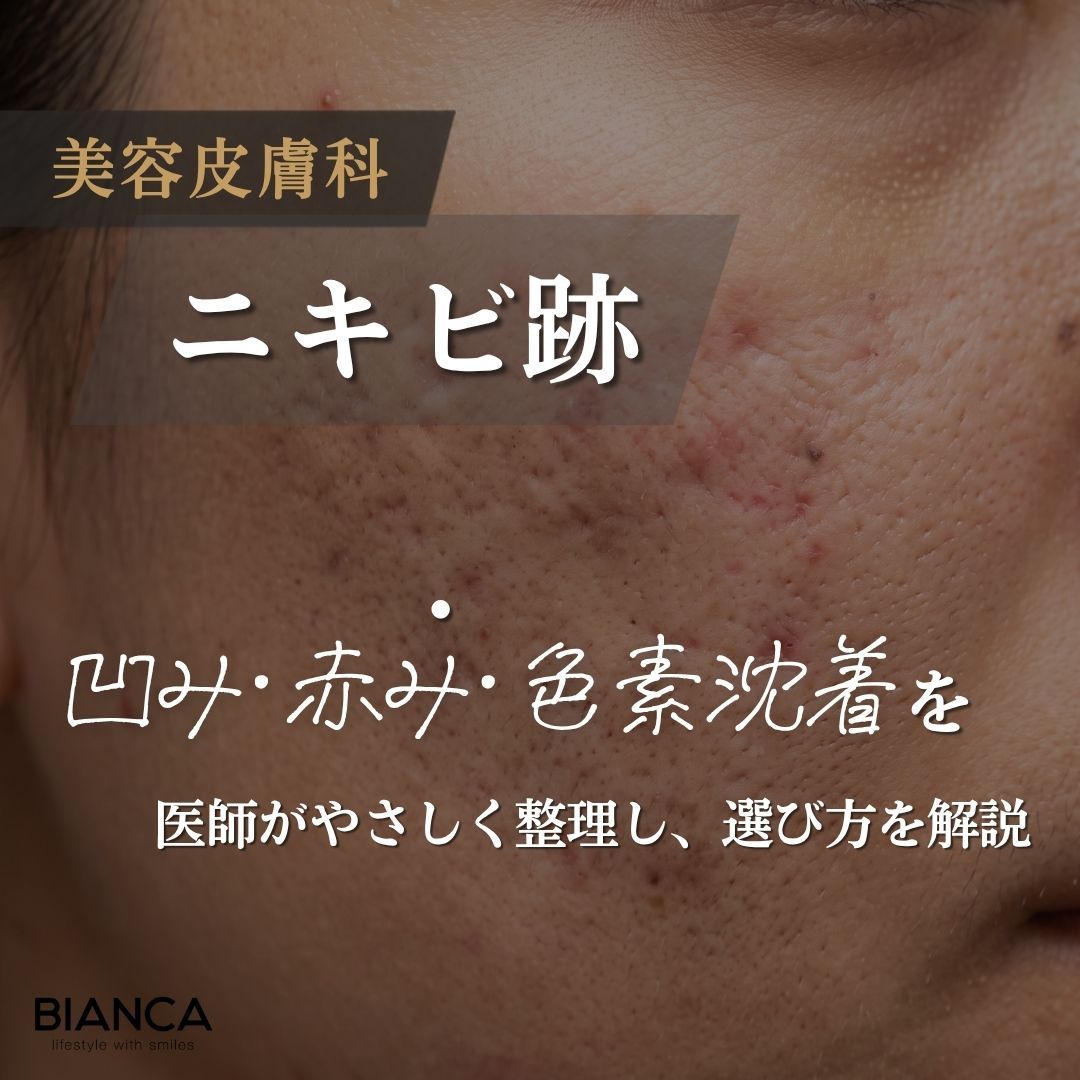
Are you feeling unsure about which treatment to choose because the acne scars you see in the mirror just won’t fade? If you found us by searching for “cosmetic dermatology acne scars,” you may feel even more anxious because there’s so much information out there. At a cosmetic dermatology clinic, we identify the specific type of acne scar—whether it’s indentations, redness, or hyperpigmentation—and develop a step-by-step treatment plan tailored to your lifestyle and preferences. While there’s no single “magic bullet,” following the right sequence of treatments consistently will gradually improve your skin’s texture. Here, we’ll clearly explain the approach taken by cosmetic dermatology clinics and how to choose the right one, specifically for those who are still in the research and comparison phase.
An Approach to Acne Scar Treatment at a Cosmetic Dermatology Clinic
Acne scars are not all the same. Medically, they are classified into categories such as post-inflammatory erythema (redness), post-inflammatory hyperpigmentation (brownish discoloration), and atrophic scars (indentations). In cosmetic dermatology, we first assess the current “activity level” (whether new acne is present) and the “type of scar,” then design a treatment sequence that builds up results gradually without increasing skin irritation. Results, pain, downtime, and longevity vary from person to person and can also be influenced by the season and how well your skincare routine suits your skin. Therefore, rather than focusing on a quick fix, it’s more realistic to continue treatment at an intensity your skin can tolerate.
[Doctor’s Point]
Acne is a common skin condition caused by a combination of various factors, such as hormonal changes and lifestyle habits. The most important thing is to seek appropriate treatment to minimize acne scarring as much as possible. However, even existing acne scars can be improved if appropriate treatment is started early. We recommend that you consult a cosmetic dermatologist as soon as possible rather than ignoring any symptoms that concern you.
Types of Acne Scars and How to Identify Them
• Redness (post-inflammatory erythema): A condition in which inflammation or a vascular reaction persists. It may fade over time.
• Brownish discoloration (post-inflammatory hyperpigmentation): A condition in which melanin remains. UV protection is essential.
• Indentations (atrophic scars): A condition in which the underlying skin tissue has sunk. They range from shallow, wavy indentations to deep, pinpoint indentations.
It is common for multiple types to coexist within the same face, so combining treatments is perfectly reasonable.
How to Interpret "Before & After" Images and What to Expect
-
"Before & After" photos can serve as a useful reference, but results are influenced by factors such as shooting conditions, the number of treatments, the duration of treatment, and how thoroughly you follow your at-home skincare routine. It’s important to use them as a guide to determine whether you can achieve similar results based on your own skin type and lifestyle, and to avoid jumping into intense treatments right from the start.
Main Treatment Options in Cosmetic Dermatology and How to Choose Them
Rather than focusing on specific device names, it’s easier to choose if you organize them based on “what kinds of problems they’re best suited for.”
• Topical and oral treatments: Focuses on calming new breakouts and addressing redness and hyperpigmentation. Downtime is minimal.
• Exfoliating products: Help smooth rough skin and unclog pores, while gently addressing redness and uneven skin tone. Use consistently on a weekly or monthly basis.
• Microneedle treatments: Promote collagen regeneration through gentle stimulation, targeting shallow indentations. May cause redness or temporary dryness.
• Light and laser treatments: For redness, uneven skin tone, and texture irregularities. Since downtime varies depending on the treatment settings, plan accordingly.
• Localized treatment for spot-shaped and linear indentations: Precise treatment for deep indentations. Plan your return to daily activities in advance.
Selection Criteria: Choose Based on Your Lifestyle and Skin Type
• Downtime: Determine how much redness and peeling you can tolerate based on your work and school schedule.
• UV Exposure: During periods when you spend a lot of time outdoors, you may want to avoid treatments that cause significant skin irritation.
• Frequency of visits: Is it possible to continue visiting every few weeks, or is there a way to make it easier to continue even every other month?
• Skin sensitivity: If you have sensitive skin, start with a mild setting and adjust the intensity gradually.
• Budget: Schedule a single session before the course to see if it’s a good fit, and plan within your means.
When you're unsure, it's reassuring to work with a cosmetic dermatologist to map out both your "top priority step" and your "next step."
The Process of Visits to a Cosmetic Dermatology Clinic and Aftercare
Generally, the process during the initial consultation follows this sequence: skin assessment → review of lifestyle factors → treatment recommendation → treatment performed with your consent → home care instructions → follow-up on your progress. After the treatment, be sure to moisturize thoroughly and take precautions against UV rays. Redness, dryness, or temporary changes in skin tone may occur, but these symptoms usually subside over time. In rare cases, inflammation or pigmentation may persist; if you notice any concerning changes, please consult a cosmetic dermatologist as soon as possible.
About Risks, Pain, and Downtime
Treatments that involve stimulation may cause stinging, redness, mild swelling, or peeling on the day of the treatment or in the days following. The level of pain varies greatly from person to person and can sometimes be alleviated with topical anesthesia or cooling. The noticeable results and how long they last also depend on skin type and lifestyle habits.
Understanding Costs and Creating a Realistic Plan
-
If the primary concern is indentations, adjust the output and interval while monitoring subtle changes, with the expectation of multiple treatment sessions. If redness or pigmentation is the main issue, a practical approach is to optimize your daily skincare routine and combine it with treatments that involve minimal downtime. In either case, it’s important to have a “sustainable plan.”
Frequently Asked Questions
How many times does it usually take before you notice a change?
It depends on the type and severity. While redness and skin tone may begin to improve after just a few sessions, it’s natural for indentations to improve gradually over a period of several months. Let’s monitor your progress together at the cosmetic dermatology clinic.
How bad is the pain?
Stimulating treatments may cause a prickling or burning sensation. While this is often alleviated by topical anesthesia or cooling, the degree of discomfort varies from person to person.
What is the difference between this and insurance-covered treatment?
Active acne may be covered by insurance, but treatments to improve the texture and color of acne scars are generally paid out-of-pocket and are provided by cosmetic dermatology clinics. Please consult with your doctor to determine if these treatments can be combined.
What can be done at home?
Protection against UV rays, gentle moisturizing, gentle cleansing to avoid friction, and consistent use of topical products as needed. Once your skin’s foundation is in good condition, the treatment will be more effective.
Summary
The key to treating acne scars is identifying the type and following a structured approach. If you stick with a routine that fits your lifestyle and skin type, your skin’s texture will gradually improve. If you’re unsure, visit a cosmetic dermatologist to discuss the “most effective first step” and a “realistic plan” that works for you. If you want to know if a treatment is right for you—rather than relying solely on “Before & After” photos—please feel free to consult with a specialist.
Final Advice
The key point is that when it comes to acne scars, it’s not just about “treating them after they appear,” but also about “taking early action to prevent them from forming in the first place.” Acne is a common skin condition caused by a combination of various factors, including hormonal changes, sebum production, clogged pores, and lifestyle habits. First and foremost, seek appropriate acne treatment with the goal of minimizing acne scars as much as possible. On the other hand, even acne scars that have already formed can be improved by starting treatment tailored to the specific symptoms at an early stage. Since the appropriate treatment varies depending on the type of acne scar—such as indentations, redness, or hyperpigmentation—it is important not to leave them untreated based on your own judgment, but to seek a proper diagnosis at a cosmetic dermatology clinic.
If you're wondering, "Which treatment is right for my acne scars?" please feel free to contact BIANCA CLINIC. We'll recommend a treatment tailored to your individual skin condition.