column (e.g. in newspaper)
2026.10.17
What Happens If Botox Goes Wrong? A Cosmetic Surgeon Explains Common Problems, Causes, and Solutions
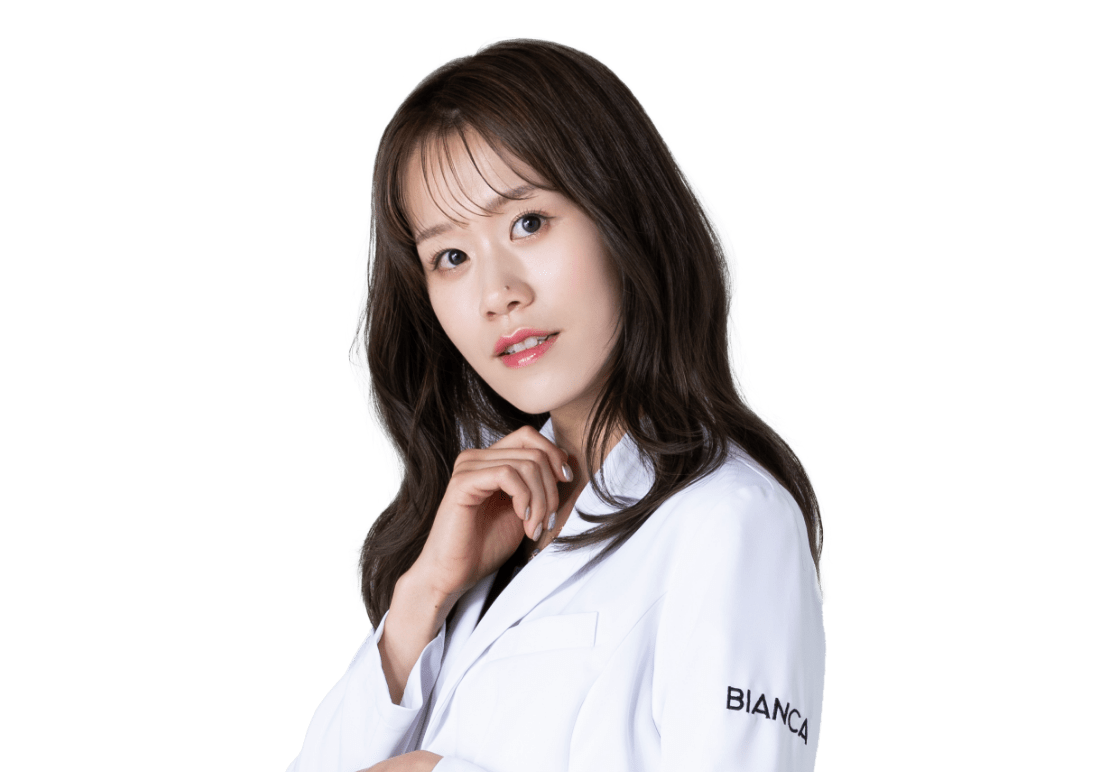
My journey into aesthetic medicine stems from a desire to help enrich and beautify lives beyond simply treating illness. My specialties include hyaluronic acid, Botox, and thread lifts. I provide treatments that enhance each individual's unique qualities and bring out an elegant, natural beauty. For concerns around the eyes that are difficult to improve with dermatology alone, I also perform surgical procedures. By integrating dermatology and surgery, I holistically balance the entire face. With three periods of overseas study, I am also able to provide consultations in English.
 Doctors' Point
“My facial expressions look unnatural after getting Botox,” “My eyebrows have drooped, making it hard to open my eyes,” “My cheeks have become sunken after getting Botox in my jawline.” While Botox injections are a cosmetic procedure that can be performed in a relatively short amount of time, some people experience these changes after the procedure and feel that it was a failure.
Botox is a treatment that aims to improve expression lines and a square jawline by temporarily weakening muscle function. However, depending on the injection site, dosage, and the condition of the patient’s muscles, it may affect unintended muscles or weaken muscle function too much.
To prevent Botox complications, it is important to consider the anatomical balance of the entire face, rather than simply focusing on eliminating wrinkles or reducing muscle size.
In addition, the effects of Botox are not permanent. In many cases, the drug’s effects wear off over time, and muscle movement gradually returns to normal. However, not all symptoms improve naturally, and in some cases, an early medical evaluation may be necessary.
In this article, we’ll take a detailed look at the topic of “Botox complications” from a cosmetic surgeon’s perspective, covering common examples of complications, their causes, how long it takes for symptoms to appear, ways to address them, and tips for preventing them.
What Happens If Botox Goes Wrong? A Look at Common Concerns
The situations in which people are most likely to feel that Botox treatment has “failed” involve different mechanisms and require different approaches. Let’s start by getting a grasp of the big picture.
-
Facial expressions become unnatural (forehead, outer corners of the eyes, around the mouth, etc.)
-
Drooping Eyebrows or Eyelids (Brow Ptosis/Ptosis)
-
My smile looks asymmetrical
-
Cheek Slimming (Sunken Cheeks) and Changes in the Jawline After Jaw Botox
-
A sensation that makes it hard to chew
-
Too Strong or Not Strong Enough (Discrepancy in Effect Strength)
-
Redness, swelling, or bruising at the injection site (usually temporary)
These issues do not all arise for the same reason; carefully analyzing “which muscles are affected, when the changes began, and to what extent” is the quickest path to finding the right solution.
Medically Distinguishing Symptoms That Are Often Perceived as Failure
Over-inhibition: A condition in which even necessary muscle movements are suppressed
Muscle activity may be more suppressed than expected, which can lead to discomfort such as difficulty raising the eyebrows, a stiff smile, or difficulty chewing. The stronger the effect, the longer it takes for the body to recover naturally; however, in most cases, these symptoms improve as the drug’s effects wear off.
The approach of correcting the results with additional injections is generally a cautious one, as increasing the volume indiscriminately may make facial expressions appear stiffer.
Not effective: A condition in which the effects are not sufficiently noticeable
Possible factors include discrepancies in dosage or injection site, individual differences in muscle mass, discrepancies between actual results and expectations, and, in rare cases, the involvement of neutralizing antibodies. The effects of Botox are not immediately apparent after treatment; they become easier to assess within 1 to 2 weeks.
We will avoid making premature decisions and will monitor the situation before considering any necessary adjustments.
Unnatural facial expressions: Limited range of motion in the areas you want to move
When the balance of the muscles involved in facial expressions—such as those in the forehead, between the eyebrows, at the outer corners of the eyes, and at the corners of the mouth—is disrupted, stiffness and asymmetry become noticeable. Rather than completely restricting movement, it is important to design the procedure in a way that identifies and preserves the movements you wish to retain.
By comparing the "Before" and "After" photos you've taken, it becomes easier to objectively identify which movements feel the most awkward.
Drooping Eyelids: Eyebrow Ptosis and Eyelid Ptosis Are Two Different Conditions
"Brow ptosis," in which the frontalis muscle in the forehead weakens, making it difficult to raise the eyebrows, and "ptosis," which involves functional impairment of the levator palpebrae superioris muscle group, are two distinct conditions. Brow ptosis is often caused by overuse of the forehead muscles and is expected to improve over time.
On the other hand, ptosis may be caused by administration errors or diffusion, and pharmacological treatment—such as eye drops—may be considered. If the condition causes visual obstruction, double vision, severe headaches, or paralysis, prompt medical attention is necessary.
Common Problems by Body Part and How to Identify Them
Forehead (frontalis muscle), between the eyebrows, and outer corners of the eyes
Excessive tightening of the forehead can lead to drooping eyebrows, while spreading the skin between the eyebrows can increase the risk of eyelid ptosis. The outer corners of the eyes are an area where your habitual way of smiling can easily affect the final result.
If you can share with your doctor not only the amount and placement of Botox but also how your wrinkles appear when you make facial expressions, it will be easier to achieve a natural-looking result.
Jaw (Masseter Muscle)
People with voluminous masseter muscles or strong biting force tend to achieve a more defined facial contour; however, excessive volume reduction can sometimes result in sunken cheeks or noticeable excess skin.
Existing sagging, loss of skin elasticity, and a lack of cheek fat can make changes to the jawline more noticeable.
Around the mouth and the corners of the mouth
Because multiple facial muscles are densely clustered in this area, even slight differences in muscle activity can cause asymmetry in a smile. It is important to use a precise design, make gradual adjustments, and verify movement during facial expressions. Comparing “Before & After” videos of smiling, speaking, and eating makes it easier to identify subtle differences.
Causes—Quantity, Location, Individual Differences, and Time Frame
Factors contributing to Botox treatment failure include incorrect dosage (too much or too little), misalignment of the injection site, individual differences such as muscle volume and asymmetry, and evaluating results too early. Furthermore, if treatment intervals are too short, the cumulative effect of the Botox can become too strong, making it more likely to cause facial stiffness and impaired function.
At many cosmetic surgery clinics, cosmetic dermatology clinics, and cosmetic medicine clinics in Ginza, Tokyo, it is common practice to keep the initial treatment conservative and then refine it toward the optimal solution starting with the second session and beyond.
When do the symptoms start, and how long does it take to recover?
-
Immediately after the procedure through a few days: Redness, swelling, and bruising at the injection site (usually temporary)
-
A few days to two weeks: Symptoms such as an unnatural facial expression, drooping eyebrows, and difficulty chewing become apparent
-
Several weeks to several months: Noticeable changes in the volume of the jawline, sunken cheeks, and the appearance of the jawline
While recovery generally progresses over time, the rate varies from person to person. We will evaluate your progress in 1 to 2 weeks and consider making minimal adjustments as needed.
How to Respond—When to Seek Medical Attention and How to Provide Support
1. First, contact the treatment facility
Your first step should be to consult with the facility where the procedure was performed, as they have detailed information on the dosage, placement, and progress. All cosmetic surgery, cosmetic dermatology, and cosmetic internal medicine clinics in Ginza, Tokyo, have dedicated post-operative follow-up services.
2. Monitoring Progress Until the Effect Is Achieved
It generally takes 1 to 2 weeks to complete. If you have severe visual impairment or if it interferes with your daily life, please seek medical attention as soon as possible.
3. Fine-tuning (if necessary)
If there is asymmetry between the left and right sides or discomfort during certain movements, we may consider additional injections or adjusting the distribution of the filler. However, unnecessary additional injections increase the risk of “overcorrection.”
4. When Ptosis Is Suspected
If a doctor determines it is appropriate, treatment may include eye drops or other measures. During the examination, the condition is distinguished from eyebrow ptosis to avoid confusion.
5. Choosing to Wait for Natural Recovery
The effects of Botox wear off over time. If the effects are too strong, waiting may be a practical option. Before-and-after photos and progress records will help in planning the optimal treatment for your next session.
Tips for Avoiding Complications and Choosing a Clinic (From the Perspective of Cosmetic Surgery, Cosmetic Dermatology, and Cosmetic Internal Medicine)
Key Criteria to Prioritize During Medical Examinations
-
Anatomical Insights: Designing How Much Movement to Preserve in Each Muscle
-
Observations of Facial Expressions: Sharing Not Only Expressionless Faces but Also Wrinkles and Range of Motion During Movement
-
A Gradual Approach: Start Small the First Time, Then Adjust as Needed Next Time
-
Appropriate Intervals: Avoid taking multiple doses in quick succession
Tips for Choosing a Counseling Service in Ginza, Tokyo
In Ginza, Tokyo, there are numerous cosmetic surgery clinics, cosmetic dermatology clinics, and cosmetic medicine clinics that offer Botox treatments. Cosmetic surgery clinics tend to have extensive surgical expertise, making it easier for them to evaluate facial supporting structures and facial contours from a surgical perspective. Many of these clinics also offer liposuction and breast augmentation, giving them a deep understanding of the three-dimensional balance between the face and body.
Cosmetic dermatology tends to focus on injections and skincare, making it easier to discuss fine-tuning treatments and how they work with your skin type. Cosmetic internal medicine takes a holistic approach, considering metabolism, hormones, and nutrition throughout the body; some facilities specialize in lifestyle management during Botox downtime and provide internal medical support.
For example, if you’re in Tokyo and prioritize natural-looking Botox results above all else—and are also considering surgical options for your jawline (such as liposuction) in the future—a cosmetic surgery clinic may be the right choice for you. If you’d like to address skin texture at the same time, a cosmetic dermatology clinic would be a good option; if you want to take your overall health, medications, and daily routine into account, a cosmetic internal medicine clinic would be a good place to start.
Similarly, in the Ginza area, you can make choices that leverage the strengths of each sector.
Availability of Surgical Procedures and Compatibility (The Role of Liposuction and Breast Augmentation)
Cosmetic surgery clinics that also perform liposuction and breast augmentation have a culture of conducting comprehensive, multi-layered assessments of the skin, fat, muscles, and skeleton. This approach is also helpful in predicting sunken or sagging cheeks following Botox injections in the jawline.
Doctors who perform liposuction at cosmetic surgery clinics in Ginza, Tokyo, are attuned to shifts in the center of gravity along the jawline and sometimes apply that insight to their Botox treatment plans.
Furthermore, in surgical practices that perform breast augmentation, assessing skin elasticity and support is routine, and this expertise also proves useful in evaluating facial volume. Of course, this is not intended to recommend liposuction or breast augmentation; it is simply a characteristic of the clinical setting.
Taking and Sharing "Before & After" Photos
If you establish a "Before & After" baseline during the initial consultation using still photos and short videos of the patient’s neutral expression, facial expressions, and chewing, the planning for the next session will be significantly more precise.
The use of such records is also becoming more widespread at cosmetic dermatology and cosmetic internal medicine clinics in Ginza, Tokyo.
For Those Considering Botox in Ginza, Tokyo—A Guide to the Consultation Process
In Tokyo and Ginza, the typical process consists of the following steps: initial consultation, facial expression assessment, treatment planning, the procedure itself, and a follow-up visit about two weeks later. Whether you’re visiting a cosmetic surgery clinic, a cosmetic dermatology clinic, or a cosmetic medicine clinic, be sure to write down any questions you have in advance and share them with the staff.
In particular, clearly communicating “how you want the area to move” and “which parts you want to preserve” can help reduce the risk of an unsatisfactory outcome. Additionally, your history of previous treatments (including those other than Botox), pre-existing medical conditions, and any medications you are currently taking are key to ensuring a safe treatment plan.
Frequently Asked Questions (FAQ) About Botox Complications
Q1. My eyebrows have drooped after Botox. How long will it take for them to return to normal?
In cases of drooping eyebrows, the condition often improves over time. Although results vary from person to person, you’ll likely begin to notice a difference within a few weeks to a few months.
Q2. It's working too well—my face feels stiff. Can you reverse it right away?
Unlike hyaluronic acid, there is no dissolving agent that can immediately reverse the effects of Botox. Any additional fine-tuning should be done with caution, and the general approach is to allow for natural recovery.
Q3. My eyelids feel heavy, and I'm worried I might have ptosis.
It is important to distinguish this condition from drooping eyebrows. If you experience impaired vision or double vision, please see a doctor as soon as possible. Depending on the doctor’s assessment, eye drops or other treatments may be considered.
Q4. I don't think it's working. When should I consider taking more?
In most cases, it becomes easier to evaluate the situation within 1 to 2 weeks. At that point, we’ll share our findings and, if necessary, consider minimal additional steps.
Q5. Which type of clinic is best: cosmetic surgery, cosmetic dermatology, or cosmetic internal medicine?
Choose based on your concerns and priorities. For consultations that cover facial contours and supporting tissues, visit a plastic surgery clinic; for fine-tuning of the skin or injectable treatments, visit a cosmetic dermatology clinic; and if you’d like to address your overall health and lifestyle at the same time, a cosmetic internal medicine clinic is the right choice. Each facility in Ginza, Tokyo, has its own unique specialties.
Additional Notes on Choosing a Clinic Using Keywords Related to Ginza, Tokyo
Tokyo offers a wide range of options, and there are many specialized facilities in the Ginza area as well. Cosmetic surgery clinics tend to approach Botox treatments from a surgical perspective, and the experience of doctors who perform procedures such as liposuction and breast augmentation can be valuable in assessing the overall balance of a patient’s appearance. Cosmetic dermatology clinics excel at combining Botox with skin treatments, while cosmetic internal medicine clinics bring a holistic, whole-body management perspective to patient care.
Whether in Tokyo or Ginza, choosing a place where you can discuss “which movements to keep” based on “Before & After” comparisons will help prevent mistakes. Look for a place where you can consult with professionals while assessing whether you’re a good fit, rather than one that uses high-pressure sales tactics.
Summary
Symptoms that may be perceived as Botox complications can be categorized into several types, such as “too strong an effect,” “no effect,” “unnatural facial expressions,” and “drooping eyelids,” and the causes and treatments for each vary. In most cases, the results can be assessed within 1 to 2 weeks, and while some changes may improve over time, it is important to seek medical attention promptly if you suspect ptosis.
The key to preventing complications lies in anatomy-based design, observation of facial expressions, a step-by-step approach, appropriate timing, and objective documentation of “before and after” results. When choosing a clinic in Ginza, Tokyo, consider the strengths of each specialty—cosmetic surgery, cosmetic dermatology, and cosmetic internal medicine—and select a clinic that best addresses your concerns and fits your lifestyle.
While the expertise of cosmetic surgery clinics specializing in procedures such as liposuction and breast augmentation can be helpful in some situations, the injection techniques of cosmetic dermatology and the comprehensive care provided by cosmetic internal medicine can also be valuable in others. If you’re wondering whether this is right for you, feel free to take the first step and schedule a consultation. Don’t overthink it—just move forward at a pace that feels comfortable to you.