column (e.g. in newspaper)
2026.09.18
How Many Days Is the Downtime After Botox Injections? A Doctor Explains Symptoms, Recovery, and Post-Treatment Precautions

My journey into aesthetic medicine stems from a desire to help enrich and beautify lives beyond simply treating illness. My specialties include hyaluronic acid, Botox, and thread lifts. I provide treatments that enhance each individual's unique qualities and bring out an elegant, natural beauty. For concerns around the eyes that are difficult to improve with dermatology alone, I also perform surgical procedures. By integrating dermatology and surgery, I holistically balance the entire face. With three periods of overseas study, I am also able to provide consultations in English.

Since Botox injections are a non-surgical procedure that involves no incisions, there is very little downtime.
However, many people are probably wondering, “Can I go to work the next day?” or “When can I start wearing makeup or exercising again?”
At BIANCA CLINIC, we place great importance on providing detailed explanations, including how to care for yourself after your treatment.
In this article, we’ll explain—from a doctor’s perspective—the symptoms and recovery process commonly associated with Botox injections, as well as precautions to take in your daily life.
Estimated Downtime After Botox Injections
The downtime for Botox injections is generally a few days to about a week, but the duration of symptoms and the recovery period vary from person to person.
After Botox injections, the following symptoms may occur:
- Swelling
- bruising
- redness
- Pain
In many cases, these symptoms subside within a few days to about a week.
However, the severity and progression of symptoms vary from person to person and may differ depending on the treatment site, injection area, and dosage.
Because Botox injections involve the use of a needle, it is not possible to completely prevent bruising or other side effects.
If you have important plans, it's a good idea to consider the possibility of downtime when scheduling your appointment.
Common Symptoms and the Recovery Process During the Downtime Following Botox Injections
After the procedure, you may experience swelling, bruising, redness, or pain. Depending on the treatment area, you may also feel fatigue or discomfort.
Common Symptoms After Botox Injections
Since Botox injections involve inserting a needle into the skin, temporary redness, swelling, and pain may occur at the injection site.
If the needle comes into contact with a small blood vessel, it may cause internal bleeding.
Although the severity of symptoms varies from person to person, in most cases they will subside over time.
Even if bruising occurs, it generally subsides within a few days.
Some people may experience a feeling of heaviness after treatment on areas such as the shoulders or jawline.
If you experience any concerning symptoms, don't push yourself—avoid putting any strain on the treated area.
Downtime varies depending on the treatment area and the amount injected.
Botox injections are administered into various muscles depending on the treatment goal, including facial muscles such as those in the forehead, between the eyebrows, and at the corners of the eyes, as well as the masseter muscle in the jaw, the shoulders, and the calves.
Even with the same Botox injection, symptoms experienced after the procedure may vary depending on the area, as factors such as skin thickness, muscle size, treatment area, and injection volume differ from one area to another.
For example, you may notice redness or bruising on areas such as the forehead or the outer corners of the eyes, while areas like the shoulders or jawline may feel stiff or uncomfortable.
Therefore, rather than assuming a one-size-fits-all answer to the question, “How many days does it take for Botox to fully wear off?”, it’s important to make plans that take into account which areas will be treated and the extent of the treatment.
At Bianca Clinic, we offer Botox injections not only for the face but also for various other areas, such as the neck, shoulders, calves, and underarms.
If you're concerned about downtime, please discuss this with us during your consultation, including the dates of any important events.
How to Take Care of Yourself and Precautions After Botox Injections
After the procedure, do not rub or apply pressure to the injection site, and on the day of the procedure, avoid strenuous exercise, alcohol, long baths, saunas, and similar activities.
You can apply makeup the same day after Botox injections.
You can apply makeup after Botox injections, starting on the day of the procedure.
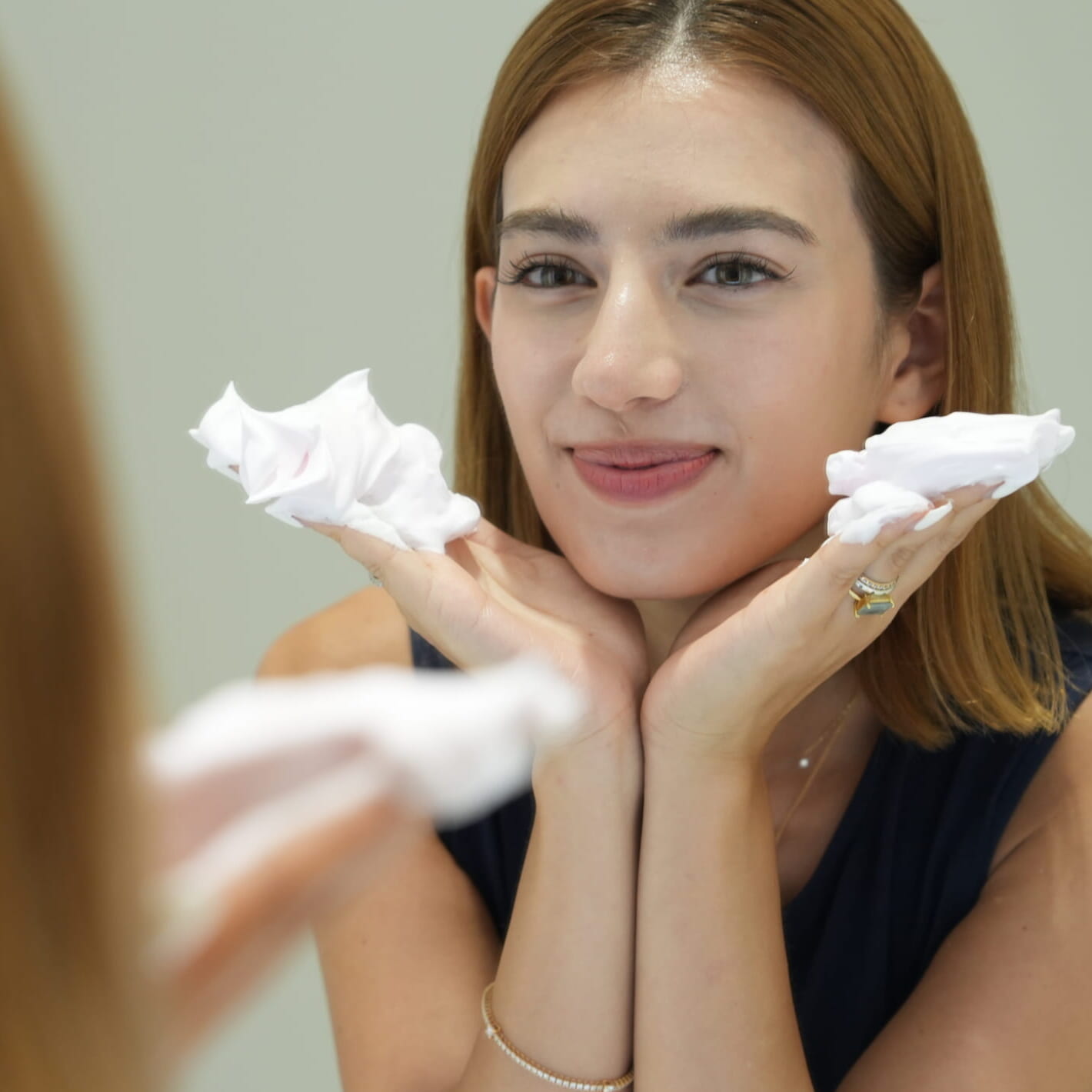
Since the treated area is sensitive, avoid rubbing it vigorously when applying foundation or removing makeup.
You can continue your regular skincare routine, but please avoid irritating any areas where redness or swelling remains and handle them gently.
When Can I Take a Bath or Go to the Sauna After Botox Injections?
You may shower or take a bath on the day of your treatment, but please avoid taking long baths.
Please avoid saunas and hot stone baths on that day.
Botulinum toxin is sensitive to heat.
In addition, as your body warms up, blood flow increases, which can make redness and bruising at the injection site more noticeable.
On that day, try to take a shorter bath than usual to avoid overheating your body.
When Can I Exercise or Drink Alcohol After Botox Injections?
It's best to wait until the next day or later before exercising.
On the day of your Botox injection, please avoid strenuous exercise or strength training that causes your body temperature to rise and makes you sweat.
Please avoid drinking alcohol on the day of your treatment.
Alcohol can stimulate blood flow, which may make you more prone to redness and bruising.
Avoid rubbing or applying pressure to the injection site
On the day of the procedure, be careful not to massage or rub the treated area vigorously.
You should also avoid activities such as massage that apply strong stimulation or pressure to the treated area.
If you have received treatment on areas such as your shoulders or jawline, please be mindful to avoid applying strong pressure to those areas.
Side Effects and Risks of Botox Injections
Botox injections carry risks such as bruising, facial stiffness, infection, and hematomas.
In addition to the temporary redness, swelling, pain, and bruising that may occur after treatment, there are side effects and risks associated with Botox injections that you should be aware of.
The main risks are as follows.
- Facial Tension
- Infection
- Hematoma
With Botox injections in the face, facial expressions may appear unnatural depending on the amount injected and the injection sites.
To avoid an unnatural appearance, it is important to carefully consider the injection site and volume, taking into account individual differences in muscle location, thickness, and movement patterns.
In addition, if you experience any concerning changes after the procedure—such as severe pain, swelling, fever, or unusual sensations when moving your face—do not simply wait to see how things develop on your own; please consult the medical facility where you received the procedure.
If you have difficulty breathing or swallowing, consult a medical professional immediately.
If you would like to learn more about how Botox injections work, the results you can expect, and the different types of Botox available,"What Are Botox Injections? A Simple Explanation of Their Expected Effects, Benefits, and Drawbacks"Please see the following as well.
Frequently Asked Questions About Downtime After Botox Injections
We answer common questions about Botox injections, including the duration of downtime, cooling, differences based on the treatment area, and when you can return to work.
Q1. How many days is the downtime for Botox?
The downtime for Botox injections is typically a few days to about a week.
Swelling, redness, and pain may occur, and bruising may last for a few days.
Symptoms and the time required for recovery may vary from person to person depending on the treatment area, the amount injected, and individual physical characteristics.
Q2. If I'm concerned about swelling after Botox, is it okay to apply a cold compress?
If you're concerned about swelling, you can gently cool the treated area using an ice pack wrapped in a towel or something similar.
However, avoid placing ice packs directly on your skin or pressing or rubbing the treated area too hard.
If you notice any concerning changes—such as severe swelling or pain, or if your symptoms are getting worse—do not continue applying cold compresses on your own; please consult a doctor.
Q3. Does downtime vary depending on the treatment area, such as the forehead, jawline, or shoulders?
The way symptoms are experienced may vary depending on the treatment area.
Redness or bruising may be noticeable on the forehead or at the outer corners of the eyes, while the shoulders and jawline may feel sore or uncomfortable.
In addition, the results may vary depending on the treatment area, the amount injected, and individual body chemistry.
If you are considering treatment for multiple areas or have an important event coming up, it’s a good idea to consult with your doctor in advance.
Q4. Can I go to work the same day I get Botox injections?
For jobs that place little physical strain on the body, such as desk work, some people are able to return to work on the very day of their treatment.
However, since redness, swelling, or bruising may occur at the injection site, this could be a concern for those in jobs that require them to be in the public eye.
If your job involves strenuous physical activity or working in an environment where your body tends to get hot, please consult your doctor in advance, as precautions may vary depending on the type of treatment.
Q5. How can I minimize the downtime after Botox treatment?
It is not possible to completely eliminate downtime.
On the day of the procedure, avoid any stimulation of the injection site—such as rubbing, massaging, or applying pressure—and try to go about your day with as little strain as possible.
It's also important to avoid activities that raise your body temperature, such as strenuous exercise, drinking alcohol, long baths, and saunas.
Post-treatment precautions may vary depending on the treatment area and other factors, so please follow the instructions provided by your doctor.
Downtime after Botox injections ranges from a few days to about a week | Let’s discuss the best time for your procedure based on your schedule.
Botox injections may cause swelling, bruising, redness, or pain, but these symptoms usually subside within a few days to a week.
However, symptoms and recovery vary depending on the treatment area, the amount injected, and the individual’s physical constitution.
After the procedure, it is important to avoid friction or pressure on the injection site and to refrain from strenuous exercise, alcohol consumption, and long baths on the day of the procedure.
If you experience any concerning symptoms, don't try to diagnose yourself—consult a doctor.
If you have an important event coming up, or if you have concerns about downtime for specific treatment areas—such as the face, shoulders, or calves—please consult with us during your consultation at BIANCA CLINIC.
The doctor will review the treatment area and your schedule, and develop a treatment plan tailored to each individual.
▶Botox Injections Treatment Page
▶Counseling Appointment Page