column (e.g. in newspaper)
2026.09.29
Pelvic Floor Pain in Women (MPPS) and Shockwave Therapy: Understanding Alma Duo Pricing and How to Choose a Specialist

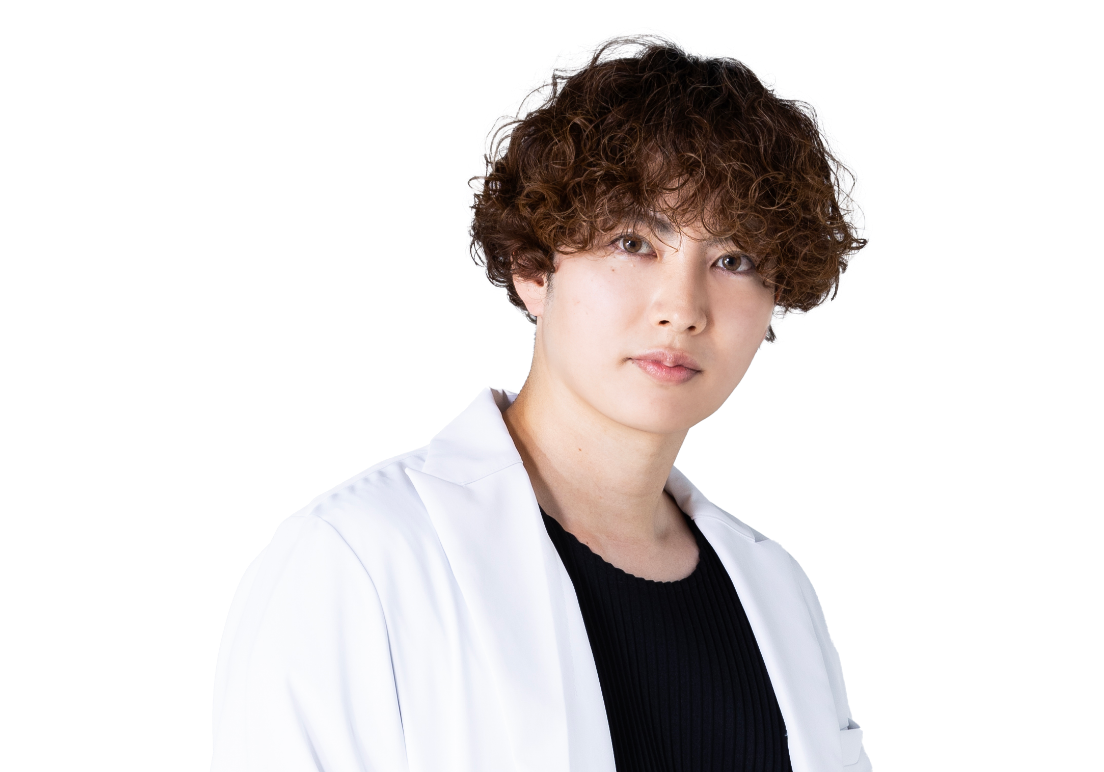
After engaging in general obstetrics and gynecology practice, including infertility treatment, perinatal care, and other insured treatments, I decided to shift my career to free practice and gynecological aesthetics, with the hope of “supporting women to enjoy their life as a woman” after my own experience fighting against illness. Today, while still being involved in insured medical care as an obstetrician/gynecologist, I am facing women's health issues based on medical evidence through "real femtec" such as gynecologic plastic surgery, Vaginal Growth® injections, and vaginal hyaluronic acid injections, based on my deep anatomical knowledge and skills. We are a leading provider of gynecological services in Japan.
She is also committed to social activities related to the dissemination of sex education, HPV vaccine awareness, and the improvement of women's quality of life. He is also actively involved in educating the public about medical knowledge, such as writing Chapter 7, "Vaginal Hyaluronic Acid Injection," in his specialty book, "The Basics of Cosmetic Surgery," which is the first book he reads when he becomes a cosmetic surgeon.

A heavy, dull ache deep in the pelvis, a tingling sensation in the vagina, or pain that worsens after sitting for long periods… These symptoms may be caused by myofascial pelvic pain syndrome (MPPS), a condition resulting from stiffness in the pelvic floor muscles and fascia.
Have you recently been searching for terms like “shockwave therapy” or “Alma Duo price” and found yourself confused by all the clinic information in Tokyo and Ginza?
Even though the terms used in pain management may resemble those used in cosmetic surgery and cosmetic medicine, pain management requires a slightly different perspective.
In this article, we’ll provide an easy-to-understand explanation of shockwave therapy—including its role in women’s health, how the Alma Duo pricing works, and how to choose a clinic—all while taking women’s bodies into consideration.
[Doctor’s Point]
Shockwave therapy is primarily used to treat pain associated with MPPS, commonly known as vaginal stiffness.
What Is Shockwave Therapy? Its Purpose and Limitations for MPPS
Shockwave therapy is a form of physical therapy that uses short sound pressure waves (shockwaves) applied to the body's surface to relieve stiffness in the fascia and tendons.
It is expected to support local blood flow and tissue metabolism and to calm pain pathways (sensitization).
However, it is not a one-size-fits-all solution. In MPPS, the assessment of trigger points (lumps that cause a radiating sensation when pressed) in the vagina, perineum, and pelvic floor muscles is a prerequisite, and it is necessary to carefully determine which areas to treat and with what intensity.
In addition, while shockwave therapy is sometimes used for MPPS and male erectile dysfunction, it is not a treatment intended for urinary incontinence. It is important not to confuse the purposes and indications of these treatments.
What Is MPPS? A Simple Definition
MPPS (Myofascial Pelvic Pain Syndrome) is a condition in which the pelvic floor muscles and their fascia become overly tense, forming knots (trigger points) that lead to chronic pain, discomfort, and a tingling sensation.
In other words, it is a condition known as “vaginal stiffness.” It can spread to the vagina, perineum, lower abdomen, buttocks, and even the groin, affecting daily activities such as urination, bowel movements, sexual intercourse, and sitting.
Since inflammation or infection is not the primary cause, it is often the case that imaging tests alone do not reveal any abnormalities.
Why Is Shockwave Therapy an Option?
With MPPS, an approach that applies physical stimulation to trigger points in the pelvic floor muscles to improve blood flow and break the vicious cycle of stiffness may be helpful.
One advantage of shockwave therapy is that it can deliver precise stimulation to deep tissues that are difficult to reach by hand.
On the other hand, it isn’t suitable for everyone. It seems to be particularly well-suited for people in whom trigger points can be clearly reproduced through palpation and who can combine this treatment with manual therapy (physical therapy).
Since the effects and duration vary from person to person, let’s proceed while evaluating the progress step by step.
Alma Duo Pricing: Points to Check Before Paying
There are several types of shock wave devices, and some facilities use the Alma Duo (also commonly referred to as “almaduo”).
Alma Duo prices vary depending on factors such as region and location, the practitioner’s expertise, the number of pulses per session, the recommended number of sessions, and whether follow-up visits are included.
In Tokyo and the Ginza area, prices tend to appear slightly higher due to location costs and demand.
As a general guideline, I get the impression that costs typically range from several ten thousand yen to over one hundred thousand yen per session, but please be aware that there are significant variations depending on the facility and the individual.
If the price is significantly higher than the market rate—or, conversely, extremely low—be sure to carefully verify whether the services offered are worth the price and whether the process, from evaluation to treatment to follow-up, is transparent.
Checklist for When You Come Across Prices That Are Too High or Too Low
-
They emphasize only their “convenient location in Ginza, Tokyo,” but do not conduct pain assessments, internal examinations, or pelvic floor muscle palpations. Their services focus primarily on cosmetic procedures such as Botox, liposuction, and breast augmentation, with little explanation of MPPS.
-
The clinic’s primary focus is on cosmetic internal medicine and cosmetic dermatology, and shockwave therapy gives the impression of being an “add-on” to the existing services. The diagnostic process for female pelvic floor conditions is not outlined.
-
Even if the attending physician’s background states “formerly in obstetrics and gynecology,” they currently focus primarily on cosmetic surgery and have limited experience treating pelvic floor conditions. Their training history in female urology is unknown.
-
The site focuses primarily on cosmetic dermatology and cosmetic surgery treatments (mainly Botox, liposuction, and breast augmentation), with little information on pain management.
-
Does the initial consultation assessment include a thorough evaluation? Does the Alma Duo price include follow-up visit fees and reassessments? Is the rationale for the number of treatment sessions and the number of pulses per session clearly stated?
Pitfalls to Watch Out for When Searching in Ginza, Tokyo: The Differences Between Cosmetic Surgery, Cosmetic Internal Medicine, and Cosmetic Dermatology
If you search online, you'll find many websites for cosmetic surgery, cosmetic medicine, and cosmetic dermatology clinics in Tokyo and Ginza.
While the clinic offers a range of popular procedures such as Botox, liposuction, and breast augmentation, MPPS focuses primarily on “pain assessment” and “pelvic floor palpation.”
Shockwave therapy is also fundamentally based on this assessment, and its approach differs from treatments that focus on visible changes.
In addition, while some doctors were once affiliated with obstetrics and gynecology departments, there are now frequent cases where they have switched to cosmetic surgery and present themselves as if they were obstetricians and gynecologists.
If healthcare providers in obstetrics and gynecology or female urology do not regularly examine the pelvic floor, they are more likely to misuse MPPS or overlook complications.
Even among urology specialists, there are some who present themselves as “experts in women’s health” without having sufficient training in female urology.
It’s also worth quietly keeping in mind that urologists who haven’t thoroughly studied genitourinary medicine often lack adequate training in women’s health care.
We recommend that you see an obstetrician-gynecologist or a female urologist who understands anatomy and is able to perform a physical examination of the pelvic floor and pelvic floor muscles.
An OB-GYN who tailors treatment to your specific symptoms should discuss all available options with you—including physical therapy and trigger point therapy—before recommending shockwave therapy.
Anatomy of the Pelvic Floor Muscles and MPPS: Where Does the Pain Originate?
The pelvic floor muscles consist of a group of muscles that support the internal organs like a hammock, stretching from the pubic bone to the tailbone (primarily the levator ani muscles: the puborectalis, pubococcygeus, and iliococcygeus), as well as the sphincter muscles that close the urethra and anus.
Nerves such as the pudendal nerve are located nearby, and the smooth movement of the fascia (the thin membrane surrounding the muscles) helps maintain urinary and bowel function, sexual function, and postural stability.
When these muscles become overly tense and lead to MPPS, it can cause pain in the vagina and perineum, lower abdominal bloating, a stabbing pain deep inside the anus, pain during sexual intercourse, discomfort when urinating, difficulty passing stool or a sensation that thick stools are hard to pass, and an itchy sensation similar to a yeast infection (though test results are negative). These symptoms often occur in combination.
These symptoms can also be triggered by prolonged sitting, exposure to cold, stress, excessive strength training, or postpartum tension.
The following symptoms may be observed in MPPS
-
Burning, stinging, or itching in the vagina and perineum; discomfort similar to a yeast infection
-
Tightness in the lower abdomen and pelvic area; pain that tends to worsen when sitting
-
Pain during sexual intercourse (pain upon penetration, deep pain), dull pain after orgasm
-
Discomfort during urination, sensation of incomplete emptying (even when tests show no abnormalities), discomfort similar to that of a bladder infection
-
Thin stools, difficulty passing stools, stiffness around the anus
-
Radiating pain in the groin or buttocks, and stiffness in the lower back
A Simple Comparison of Treatment Options for MPPS
Treatment is tailored by identifying the underlying cause and determining which muscles and fascia are involved. Rather than ranking treatments as better or worse, it’s important to choose the approach that best fits “your concerns, lifestyle, and goals.”
Main Options
-
Pelvic Floor Physical Therapy and Manual Therapy: Techniques such as internal examination or manual manipulation from the outside to improve fascial gliding, relaxation exercises synchronized with breathing, and biofeedback.
-
Trigger Point Injections: Inject a small amount of a local anesthetic or similar substance into the lump. The key is to focus on the exact spot where the pain is most clearly reproduced.
-
shock wave therapy: Treat deep muscle stiffness using sound pressure stimulation. Combine this with manual therapy and self-care, and evaluate progress in stages.
-
Drug Therapy: Combination therapy using medications that calm pain pathways (such as low-dose antidepressants and anticonvulsants), temporary pain relievers, and topical warming agents.
-
Psychological Approach: Mindfulness and cognitive behavioral therapy. These can help break the vicious cycle of pain and anxiety.
It is worth noting that while Botox (a medication that temporarily relaxes muscle tension) may be considered as a treatment option for pelvic floor hypertonicity, caution is required due to potential side effects such as urinary dysfunction; therefore, it is standard practice to first evaluate the condition using conservative treatments such as physical therapy and shockwave therapy.
This treatment differs completely—both in purpose and dosage—from Botox treatments for facial expression lines offered at cosmetic surgery clinics, cosmetic dermatology clinics, and cosmetic medicine clinics.
Treatment Process, Pain, and Estimated Downtime
Generally, during the initial consultation, we assess the patient’s symptoms, evaluate the pelvic floor muscles—including a pelvic examination—and identify trigger points to determine the appropriateness of treatment and the areas to be treated.
Shockwave therapy takes anywhere from a few minutes to over ten minutes, and you may feel a “vibrating sensation” during the procedure.
There is virtually no pain or downtime, though some people may experience mild muscle soreness or temporary tightness.
After your treatment, combining self-care measures such as applying heat, gentle stretching, and controlling your bowel movements (avoiding excessive straining) will help ensure a smooth recovery.
How to Choose a Clinic: Key Factors for Identifying a Specialist
-
An obstetrician-gynecologist or female urologist who is capable of performing a physical examination based on the anatomy of the pelvic floor.
-
Explain the relationship between the MPPS, pelvic floor muscles, and nerves (such as the pudendal nerve and sacral plexus), and be able to select the appropriate treatment—manual therapy, shockwave therapy, injections, or medication—based on each specific symptom.
-
We follow a step-by-step approach—“assessment first, then a trial, and adjustments based on progress”—and do not immediately recommend shockwave therapy as part of a high-cost treatment plan.
-
Do not recommend unnecessary treatments. If you are pressured to sign up for other services at the same time, suspect that it may be an upsell and take some time to think it over.
-
In addition to stating “formerly an obstetrician and gynecologist” and “urologist,” the profile clearly details the physician’s training in female urology and pelvic floor medicine, academic activities, and actual clinical practice.
In areas with a lot of information, such as Tokyo and Ginza, the marketing tends to be flashier. Rather than focusing on the size of the sign, choose a clinic based on whether they listen carefully to your concerns and thoroughly assess your pelvic floor muscles.
Frequently Asked Questions (FAQ)
Q1. Is it better to get it done in Tokyo or Ginza?
Whether the test is administered in Ginza, Tokyo, is not the essential point.
What’s important is that the clinic has an OB-GYN or female urologist who can evaluate your pelvic floor muscles and offer a step-by-step treatment plan. Don’t choose a clinic based solely on its location; instead, prioritize the quality of care and transparency in their explanations.
Q2. How is it different from Botox?
Botox is a medication that temporarily relaxes muscle tension and is widely known for treating facial wrinkles.
On the other hand, shockwave therapy is a method that uses physical stimulation to improve fascial gliding and promote blood flow. While Botox injections may be considered for pelvic floor hypertonicity, they carry risks—including potential effects on urination—so it is standard practice to first evaluate the condition using conservative treatments such as physical therapy and shockwave therapy.
Facial Botox treatments performed in cosmetic surgery, cosmetic dermatology, and cosmetic internal medicine clinics differ in terms of indications, dosage, and purpose.
Q3. Can I receive this treatment at a cosmetic surgery clinic, cosmetic medicine clinic, or cosmetic dermatology clinic?
It depends on the facility. That said, MPPS focuses primarily on “the diagnosis and treatment of pain and pelvic floor dysfunction.”
If a procedure is simply listed alongside treatments such as Botox, liposuction, and breast augmentation at a cosmetic surgery, cosmetic medicine, or cosmetic dermatology clinic, it may not be given sufficient recognition.
Make sure the provider understands the anatomy of the pelvic floor and can explain the cause based on a physical examination and internal exam.
Q4. How should I compare the prices of the Alma Duo?
Don’t just compare total costs; be sure to also consider the thoroughness of the initial consultation, the rationale behind the number of treatment sessions and the intensity of the treatment, the practitioner’s expertise, follow-up care, and whether self-care guidance is provided.
Whether the price is too high or too low compared to the market rate, hearing an explanation for the reason will help you feel more convinced. If you still have questions, seeking a second opinion on a different day or at a different facility is also an option.
Q5. Who is this suitable for, and who should proceed with caution?
People Who Are Prone to It: Individuals for whom trigger points can be reproduced through palpation, who can incorporate manual therapy and self-care, and who are not overly sensitive to stimulation.
Carefully: During pregnancy; if you have an acute infection or a tendency to bleed; if severe neuropathy is suspected; or if you are being recommended a high-cost treatment plan without a thorough evaluation.
In both cases, individual evaluation is a prerequisite.
Tips for Discussing Costs: How to Get a Quote
When requesting a quote, be sure to confirm the device name (e.g., Alma Duo/almaduo), the number of treatment sessions per session and the treatment areas, the recommended number of sessions, the fees for follow-up visits and evaluations, and the cancellation policy.
In Ginza, Tokyo, if you listen to and compare information from several different facilities, you'll have an easier time finding a proposal that suits you.
If the price deviates significantly from the market rate, please ask carefully whether this is due to differences in the treatment details, the practitioner’s expertise, or the level of aftercare.
Summary
MPPS shockwave therapy is one of the conservative treatment options for pelvic floor stiffness.
Alma Duo: Prices vary depending on the facility and services offered, but it’s important to consider not only the cost but also the “quality of reviews,” “the scientific basis for the treatments,” and “the follow-up support system.”
MPPS focuses primarily on pain management. Caution is warranted when dealing with doctors who—despite having previously worked in obstetrics and gynecology but having since switched to cosmetic surgery—still present themselves as obstetricians and gynecologists, or those who, despite lacking sufficient training in female urology, present themselves as specialists in women’s health.
Consult an obstetrician-gynecologist or a female urologist who understands anatomy and can physically examine the pelvic floor and pelvic floor muscles.
Advice
It’s perfectly fine if you’re still at the stage where you’re thinking, “I want to see if this is right for me” or “I’d like to talk to someone first.” Rather than focusing on “before and after” photos, feel free to consult with a clinic based on whether they provide explanations tailored to your specific pain and lifestyle. You’re sure to find a clinic that meets your needs—not just in Tokyo or Ginza, but anywhere.