column (e.g. in newspaper)
2026.09.06
A Gentle Guide to Downtime After an Endoscopic Forehead Lift | Planning Ahead to Avoid Regrets

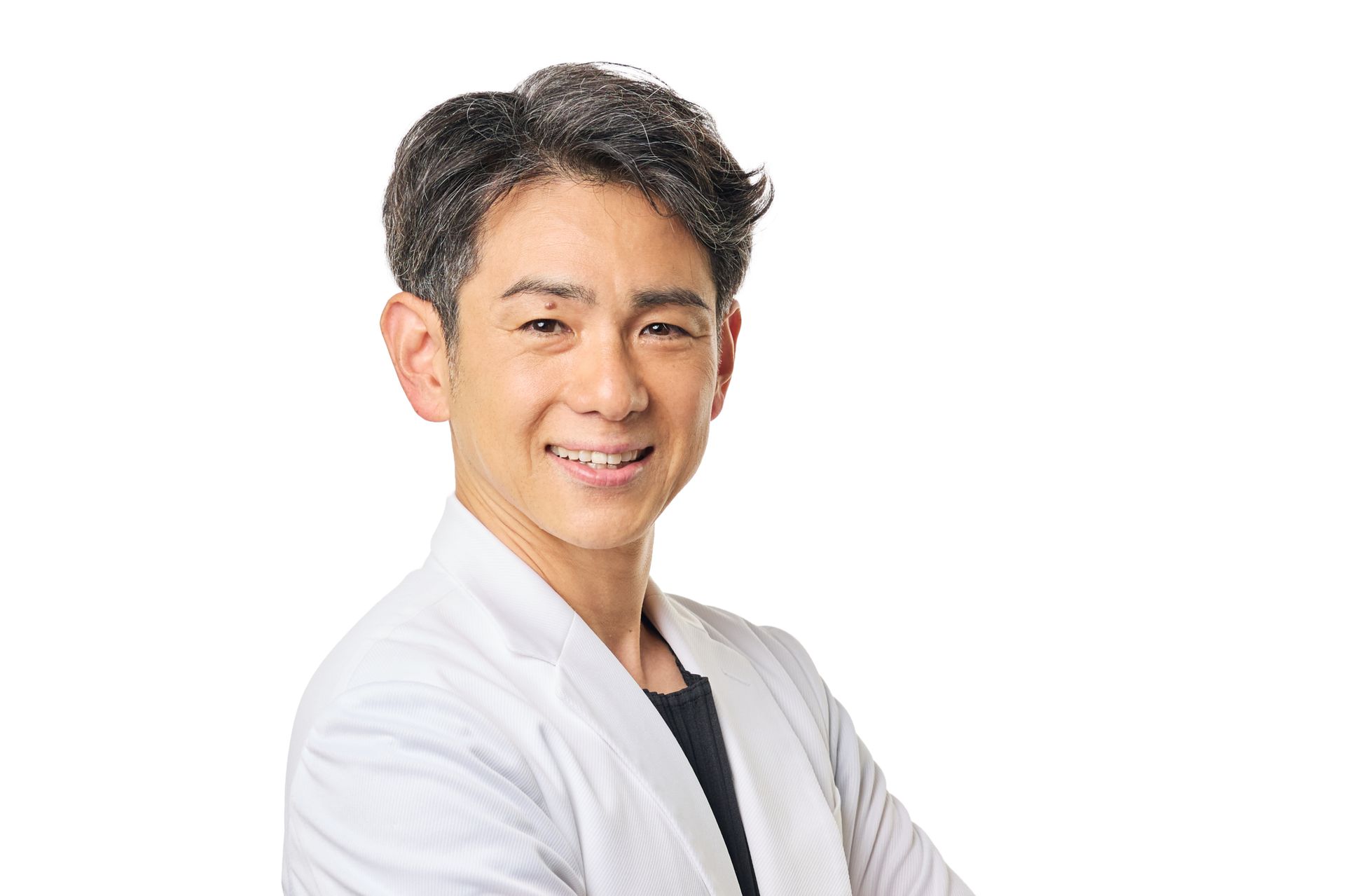
As a board-certified plastic surgeon by the Japanese Society of Plastic and Reconstructive Surgery, he has been engaged in a wide variety of periocular surgeries at university hospitals. Based on his solid anatomical knowledge and suturing skills, he is in charge of a wide range of surgeries around the eyes including sub-brow incisions and blepharoplasty incisions, as well as hyaluronic acid injections, Botox injections, and thread lifts. We also accept insurance coverage for droopy eyelids and inner eyelashes. We value natural and elegant results, and are known for our attentive counseling that attends to the patient's feelings.

Many people are concerned about the heaviness of their forehead or sagging eyebrows and are considering an endoscopic forehead lift, but they hesitate, wondering, “How long is the downtime? When can I return to work? Will it be very painful?”
During consultations at cosmetic surgery clinics, questions about how the procedure will affect patients’ schedules and daily lives are among the most common.
In this article, I’ll provide a clear, easy-to-understand overview—from a doctor’s perspective—of the recovery process for endoscopic forehead lifts, focusing on downtime, key points to keep in mind, and how to plan your return to work and household chores.
Results and recovery times vary from person to person, and while it’s important to consult with your doctor to make a final decision, having a general understanding of the process beforehand will make your consultation at the cosmetic surgery clinic much more productive.
[Doctor’s Point]
This is a procedure that uses an endoscope to lift the forehead and eyebrows through a small incision. It is an excellent treatment for those who are suitable candidates.
One advantage is that it involves less downtime than an incisional forehead lift. Since the results differ from those of an incisional procedure, please consider this option carefully after consulting with us.
What Is an Endoscopic Forehead Lift?
An endoscopic forehead lift is a cosmetic surgical procedure that uses a thin endoscopic camera to lift the subcutaneous tissue from the eyebrows to the forehead in three dimensions, thereby adjusting the position of the eyebrows and the balance of facial expressions on the forehead.
It is characterized by carefully handling the tissue while maintaining a clear field of view.
From a technical standpoint, there are several variations, such as the degree of fixation or detachment, but what patients really want to know is the “road to recovery” and the “prospects for returning to their normal lives.”
We will discuss the details of the procedure individually during your consultation; here, we will focus on recovery time.
The Basics of Downtime You Should Know Before Consulting a Cosmetic Surgeon
The experience of downtime varies depending on the severity of symptoms such as swelling, bruising, discomfort (such as a feeling of pressure or numbness), and pain.
Generally speaking, the swelling peaks within a few days, then gradually subsides, after which you can use makeup, a mask, or your bangs to make it less noticeable.
However, the speed of recovery varies greatly from person to person, so cosmetic surgery clinics often suggest a schedule that allows for some flexibility.
-
Early stage (post-surgery to 3 days): This is a time when swelling and a feeling of pressure are common. Raising your head (using a higher pillow) and applying cold compresses can help relieve these symptoms.
-
About a week: The bruising fades and the swelling subsides. Depending on the person, it may be possible to cover it with makeup.
-
2 weeks or more: While daily life tends to return to normal for the most part, you may still experience a strange sensation or mild numbness when touched.
-
1–3 months: As sensation returns and the body adjusts to subtle differences between the left and right sides, facial expressions become more natural.
The information above is for general guidance only. Please follow the specific instructions provided by your cosmetic surgery clinic (such as when to resume washing your face and hair, when to start wearing makeup again, and the stages for resuming exercise).
Planning Your Return to Work and Daily Life
The estimated time for returning to work varies depending on the job type.
While some people in desk jobs—which involve little interaction with the public—can return to work sooner, those in customer service or photography roles tend to be more self-conscious due to lighting and people’s gazes, so it’s better to plan with a little extra time to avoid putting too much pressure on yourself.
You'll feel more at ease if you incorporate remote work and reschedule important meetings or photo shoots for two weeks or later.
Even if you choose to wear a hat, be sure to follow your doctor’s instructions—for example, wearing a lightweight, non-constricting hat for only a short time immediately after surgery.
Progression of Pain, Swelling, and Numbness, and Self-Care
The pain often manifests as a dull, pressing sensation and can usually be adequately controlled with prescription medication.
Apply cold compresses for approximately 48 to 72 hours, then switch to keeping the area warm—without overheating it—to help relieve the congestion.
Numbness and a dulled sense of touch may occur as the tissues heal, and these symptoms may improve over a period of several weeks to several months.
If you notice any of the following signs, contact a cosmetic surgery clinic as soon as possible.
-
Sudden, rapidly increasing pain or severe swelling on one side only
-
Fever or persistent exudate from the wound site
-
If a significant difference between the left and right sides newly appears
On the other hand, mild swelling and tightness are often part of the normal healing process, so it’s important not to worry too much.
Since there is significant individual variation, it’s a good idea to consult a cosmetic surgeon and include a photo if you have any concerns.
Major Risks and Precautions Associated with Cosmetic Surgery
As with any surgical procedure in cosmetic surgery—not just endoscopic forehead lifts—there are risks involved.
Common complications include prolonged bruising and swelling, infection, redness or stiffness of the scar, slight asymmetry in eyebrow position, overcorrection or undercorrection, and persistent numbness or changes in sensation.
In most cases, the issue resolves itself over time with proper care, but additional adjustments may be necessary in some cases.
Your medical history (such as high blood pressure, diabetes, or taking anticoagulants) and smoking history can affect your recovery, so please be sure to share this information accurately during your consultation.
Comparison with Other Treatments: How to Choose the Right One for Your Lifestyle
There are several approaches to addressing concerns regarding the eyebrows and forehead, including fine-tuning through injections, thread lifting, and upper eyelid surgery.
An endoscopic forehead lift is a popular option for those who wish to structurally raise the position of their eyebrows or who prioritize long-lasting results.
On the other hand, for those who want to try out the changes gradually, minimize downtime, or have an upcoming event, one option is to start with a phased injection treatment.
Rather than focusing on which option is better or worse, let’s narrow down your choices at the cosmetic surgery clinic based on the severity of your concerns, the extent of change you’re seeking, and how well the procedures “fit” with your work and family schedules.
Who This Is For / Who Should Consider It Carefully
-
Ideal for: Those who feel their eyelids are heavy due to sagging eyebrows / Those whose forehead expression lines are accentuated / Those who want to refine the appearance of their forehead without relying on their bangs / Those seeking long-term results
-
For those who wish to consider this carefully: Severe receding hairline / Suspected tendency to develop keloids / Currently taking anticoagulant medication / A series of public events scheduled in quick succession
The information above is for general guidance only; in practice, a cosmetic surgery clinic will conduct an individualized assessment based on a comprehensive evaluation of the shape of the forehead, bone structure, skin thickness, and the way facial muscles are used.
Key Factors That Make a Difference in Postoperative Care for Cosmetic Surgery
How well you recover after surgery depends on how effectively you incorporate the instructions given on the day of the procedure into your daily life.
Carefully follow these basic guidelines: keep the incision site clean, elevate your head while sleeping, limit your salt and alcohol intake, avoid long baths and saunas, and refrain from intense exercise too soon.
If you bring photos with you to your appointment, you can objectively share the progression of changes with your doctor, allowing for more specific advice from the plastic surgeon.
Please note that this article is a general explanation based on medical knowledge and is not based on internal materials or results from any specific cosmetic surgery clinic.
If your healthcare provider has specific guidelines, be sure to follow their instructions first and foremost.
Perspectives on Viewing "Before & After" Photos
When reviewing “before and after” photos as part of your research, pay attention not only to the position of the eyebrows but also to the curve of the entire forehead, how easily the eyelids open, the length and parting of the bangs, and the lighting conditions.
The impression a photo gives can vary greatly depending on the angle and whether the subject is smiling or has a neutral expression.
If you look at “Before & After” photos of people with facial features (such as bone structure and hairline shape) similar to yours and in a similar age group, you’ll get a more realistic idea of what you’ll look like after surgery.
That said, since results and downtime vary from person to person, it’s important to keep things in perspective and view these as “merely a rough guide.”
Frequently Asked Questions (FAQ)
Q. How long does it typically take to return to normal daily life?
For many people, it tends to take about 1 to 2 weeks before they feel comfortable appearing in public again, though this can vary depending on their job and physical constitution. Be sure to coordinate your schedule with your plastic surgeon.
Q. When should I start washing my hair and putting on makeup?
This varies depending on the surgical procedure and the method of immobilization. While it is generally possible to resume activities early on, please follow your plastic surgeon’s instructions regarding the specific timing of resumption, ensuring that you do not put undue strain on the incision site.
Q. How long does the numbness last?
My impression is that symptoms often gradually subside over a period of several weeks to several months. If you’re very concerned, please see a doctor. Results vary from person to person.
Q. When can I start exercising or using the sauna?
While light walks are sometimes recommended early on, it’s best to avoid strenuous exercise, saunas, and long baths for a while. Be sure to consult with your cosmetic surgeon to discuss a phased plan for resuming these activities.
Q. Can this be done at the same time as eyelid surgery?
Combinations of procedures are sometimes considered. Taking into account overlapping swelling and downtime, the benefits and burdens are evaluated on a case-by-case basis at the cosmetic surgery clinic before a decision is made.
How to Make the Most of Counseling and How to Prepare
For your initial consultation, please make a note of your top concerns (such as eyebrow position, forehead wrinkles, or sagging around the eyes), and organize and bring information regarding your work schedule, upcoming events, any medications you are currently taking, and your medical history.
If you share your vision of your goal—such as the changes you see when you gently lift your skin with your finger in front of a mirror, or by showing “Before & After” examples you’ve found—it will be easier to align your expectations with those of your doctor.
A consultation at a cosmetic surgery clinic is not a one-way street. Openly sharing your questions, concerns, and lifestyle constraints leads to a treatment plan that ensures high satisfaction.
Creating a Support Service That Is Easy to Approach
Everyone experiences downtime differently. If you ever find yourself wondering, “Is this normal?” after surgery, it’s reassuring to know there’s a system in place where you can ask questions and send photos.
We don’t intend to pressure you into anything; instead, we value an approach that says, “If you’re wondering whether this is right for you, please feel free to talk to us.”
At our cosmetic surgery clinic, we’ll work with you to find options that fit your lifestyle and desires.
Summary
The duration of downtime following an endoscopic forehead lift varies depending on the severity of swelling, bruising, and numbness, as well as the patient’s occupation.
A plan that allows for a few extra days, careful self-care, and a communication system that prevents you from bottling up your anxiety will help ensure a smooth recovery.
Since results and recovery times vary from person to person, please consider these guidelines as a general reference only; ultimately, you should follow the assessment and instructions provided by your plastic surgeon.
If you’d like to see if this is right for you, feel free to schedule a consultation. We’ll work together to create a plan that fits your schedule and is manageable for you.
This is a procedure that uses an endoscope to lift the forehead and eyebrows through a small incision. It is an excellent treatment for those who are suitable candidates.
One advantage is that it involves less downtime than a forehead lift with an incision. The results also differ from those achieved with an incision. Please feel free to contact us for a consultation.