column (e.g. in newspaper)
2026.10.03
What's the Difference Between a 15 mg Fucoxanthinol IV Drip and a NAD+ IV Drip? An Explanation of the Latest Findings in Aging Research
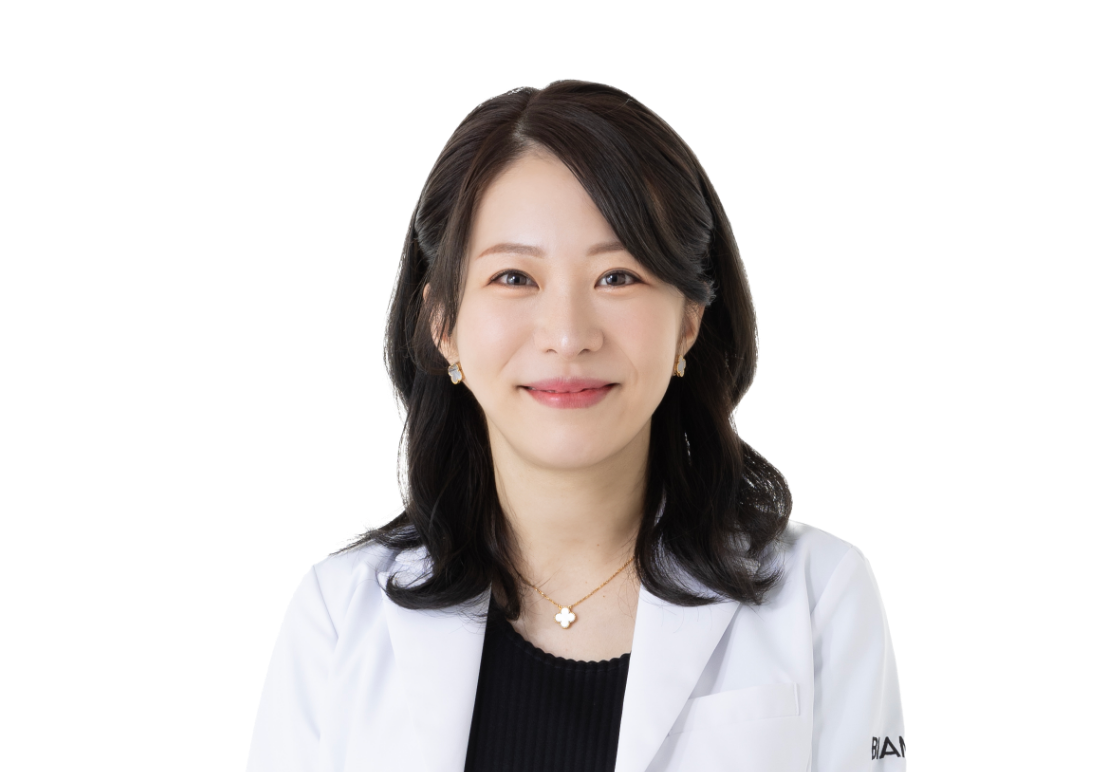
To maximize your beauty, care for both the inside and outside is essential. We aim to bring advanced anti-aging treatments, such as peptide therapy common overseas, to our Japanese patients. While aesthetic medical approaches may offer more gradual results, they are crucial for building the foundation that supports beauty and youth. We combine nutritional therapy and lifestyle improvements with hormone replacement, peptide therapy, and regenerative medicine to propose personalized treatment plans. We provide long-term support for health and beauty from within.
Fucoxantinol is an ingredient that has been gaining attention in recent years from the perspectives of “aging cells,” SASP, and senolytics, areas where research is advancing.
On the other hand, NAD+ IV therapy is based on the concept of directly supplementing NAD+, a coenzyme involved in energy metabolism and cellular repair.
Neither one is universally superior.
The key difference lies in “what aspect of the complex phenomenon of aging we focus on.”
"What's the difference between a 15 mg fucoxanthinol IV drip—which targets aging cells—and a NAD+ IV drip?"
"If you're thinking about anti-aging skincare, which one should you choose?"
As the number of options has increased, more and more people have begun to ask this kind of question.
Research on aging has advanced significantly in recent years, shifting from the simple notion that “functional decline occurs with age” to a more detailed examination of changes at the cellular level, such as aging cells, chronic inflammation, mitochondria, and energy metabolism.
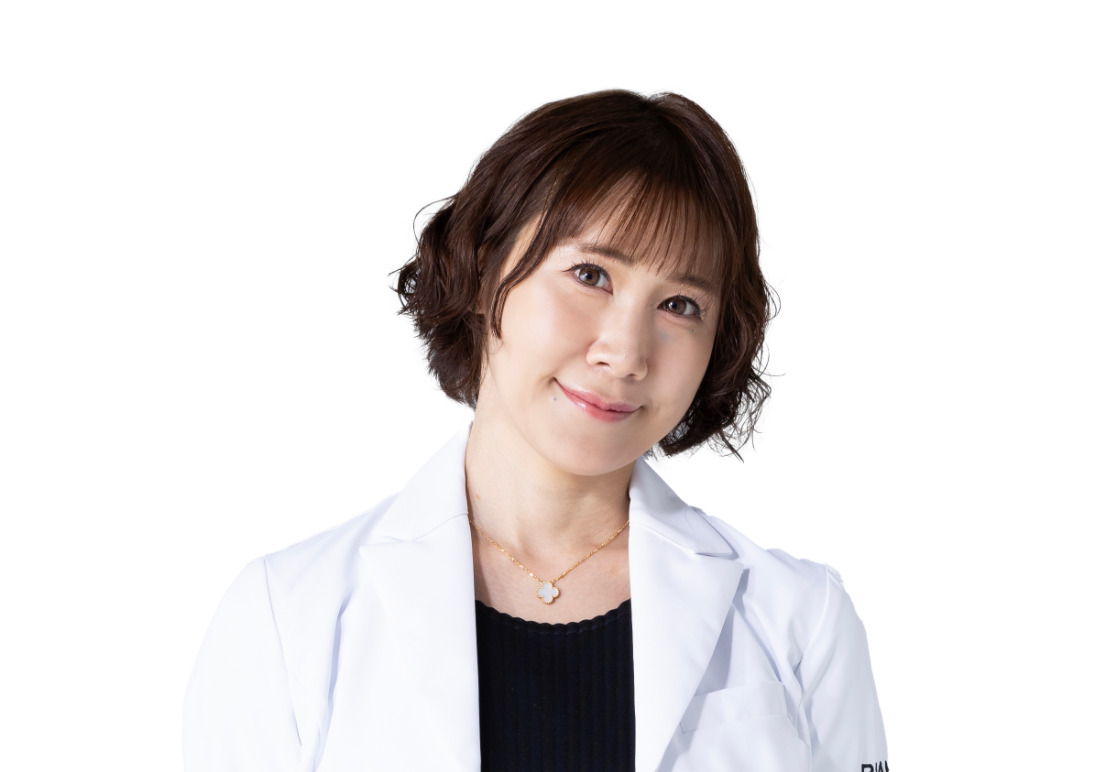
In this article, Yoko Maeda, a board-certified physician in aesthetic medicine at BIANCA CLINIC, explains the differences between the 15 mg fucoxanthinol IV drip and the NAD+ IV drip, drawing on the latest research on aging.
The Difference Between a 15 mg Fucoxanthinol IV Drip and a NAD+ IV Drip
The main difference between the two lies in which aspect of the aging process they focus on.
| Comparison Items | 15 mg Fucoxanthinol IV Infusion | NAD+ IV Drip |
| component | Fucoxantinol | NAD+ |
| Key Points to Focus On | Research on Aging Cells, SASP, and Senolytics | Energy Metabolism and Cell Function |
| The Concept of Anti-Aging Care | Considering the Issue from the Perspective of Aging Cells | Supplementing coenzymes involved in cellular activity |
| Research Directions | Links to cellular aging, inflammation, oxidative stress, and other factors | Links to NAD+ metabolism, mitochondria, DNA repair, and other processes |
At Bianca Clinic, we offer a 15 mg fucoxanthinol IV drip as part of our senolytics research, and an NAD+ IV drip as a treatment to replenish NAD+, which plays a role in energy production and cellular repair.
Even though they’re both called “anti-aging IV treatments,” they don’t all work the same way inside the body.
What Are Senescent Cells, SASP, and Senolytics?
Aging cells are cells that remain in the body even after they have stopped dividing.
Some aging cells secrete a group of substances called SASP, which can affect surrounding cells and tissues.
"Senolytics" is a field of research aimed at selectively removing these aging cells.
“Aging cells, also known as ”zombie cells”
Our cells may stop dividing when they sustain damage or experience other issues.
While some cells are simply eliminated from the body, there are also “senescent cells” that remain even after they have stopped dividing, continuing to carry out metabolic activities.
They are sometimes referred to as “zombie cells” in popular discourse.
I myself sometimes describe them as “cells that can’t quite die,” but of course, that doesn’t mean they’re actually dead cells.
The issue currently being studied is the chronic accumulation of these aging cells as people age.
"SASP": How Aging Cells Affect Their Surroundings
Some aging cells secrete various substances—such as inflammatory cytokines, chemokines, and growth factors—that act on their surroundings.
This characteristic is called SASP (senescence-associated secretory phenotype). [1]
SASP is actually involved in processes such as tissue repair.
However, if senescent cells persist for a long time and SASP continues chronically, this may be associated with inflammation and functional changes in surrounding tissues, making it an important topic in aging research. [2]
"Senolytics": A Focus on Aging Cells
That is why senolytics are being studied there.
Senolytics is a field of research aimed at selectively removing aging cells.
Furthermore, researchers are exploring the concept of “senomorphs,” which regulate the activity of mechanisms such as SASP rather than removing aging cells themselves.
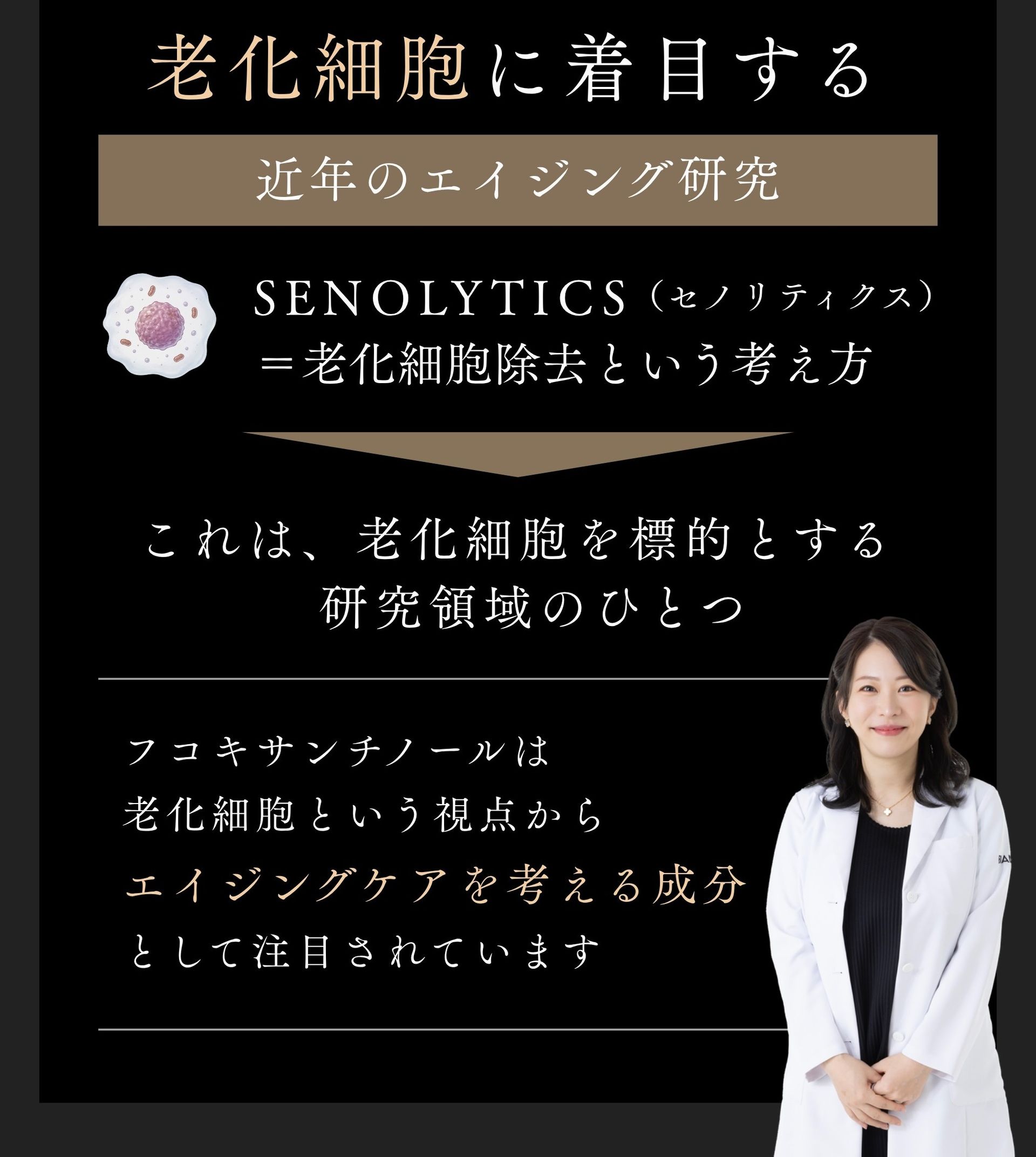
In other words, current research on aging is not simply moving in the direction of “aging cells = we just need to eliminate them all.”
How has fucoxanthinol garnered attention in aging research?
Fucoxanthinol is a compound produced when "fucoxanthin," a carotenoid found in brown algae, is metabolized in the body.
At Bianca Clinic, we administer 15 mg of fucoxanthinol directly via IV drip.
To date, fucoxanthin and its metabolites have been studied from various perspectives, including oxidative stress, inflammation, and lipid metabolism.
In recent years, the scope of research has expanded even further to include cellular aging.
In 2026, a study was reported in which naturally aged mice were given fucoxanthin.
In the skin, reduced expression of "p16" and "p21"—which serve as markers for cellular aging—as well as reduced expression of certain inflammation-related genes has been observed. [3]
This research is one of the reasons for considering fucoxanthin and fucoxantinol from the perspective of aging cells.
However, this study is an animal study using fucoxanthin; it is not a clinical trial that has demonstrated that administering 15 mg of fucoxantinol via intravenous infusion to humans results in the removal of aging cells.
Precisely because this is a new field where research is expanding to include aging cells and SASP, we need to monitor the accumulation of knowledge, including future studies in humans.
If you’d like to learn the basics about the characteristics and expected benefits of the 15 mg fucoxanthinol IV drip, please see “What Is a 15 mg Fucoxanthinol IV Drip? An Easy-to-Understand Explanation of Its Expected Effects, Benefits, and Drawbacks"Please also see..."
What is the focus of NAD+ IV therapy in anti-aging care?
NAD+ IV therapy is a treatment based on the concept of directly supplementing NAD+, a coenzyme involved in cellular energy metabolism and repair.
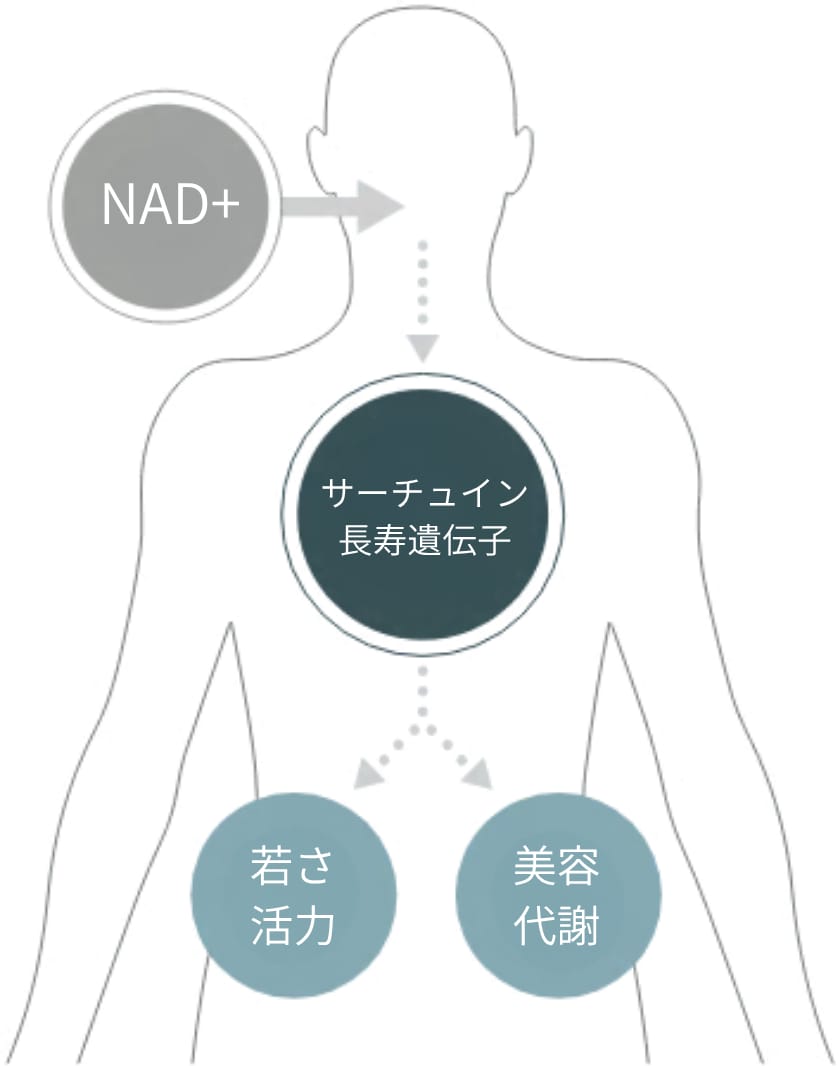
Rather than targeting senescent cells themselves, we are focusing on mechanisms related to cellular functions, such as mitochondrial function and DNA repair.
What Is NAD+ Anyway?
NAD+ (nicotinamide adenine dinucleotide) is a coenzyme that naturally occurs within our cells.
A coenzyme is a substance that aids in various chemical reactions that occur in the body.
NAD+ is involved in many cellular processes, including the reactions that convert nutrients from food into energy, as well as mitochondrial function and DNA repair.
The NAD+ IV drip treatment at Bianca Clinic is a procedure that directly administers NAD+ via an IV drip.
While fucoxanthinol is being studied from the perspective of “aging cells,” research on NAD+ focuses primarily on how it supports cellular energy metabolism and function.
How should you choose between a 15 mg fucoxanthinol IV drip and a NAD+ IV drip?
When it comes to anti-aging care, it’s not just a matter of deciding which IV treatment is better.
A 15 mg fucoxanthinol IV drip is one option worth considering for those interested in aging cells, SASP, and senolytics—a new field of aging research.
On the other hand, NAD+ IV therapy is an approach that focuses on the body’s internal condition from the perspective of NAD+, which supports energy metabolism and cellular function.
To begin with, aging is not a phenomenon caused by a single factor.
Multiple changes—including cellular aging, chronic inflammation, mitochondrial function, and metabolism—are intricately interrelated.
At Bianca Clinic, we provide cosmetic internal medicine services from a longevity perspective that encompasses not only immediate changes but also beauty, health, and your overall daily well-being.
If you're wondering, "Is a 15 mg fucoxantinol IV drip right for me?",A blog post summarizing key points to consider when evaluating treatment options and proceduresPlease also refer to this.
Frequently Asked Questions About the 15 mg Fucoxanthinol IV Drip and the NAD+ IV Drip
We’ll address common concerns you might have when considering this treatment, such as its relationship to aging cells, the role of NAD+ infusions, and how to choose between the two options.
Q. Can a 15 mg fucoxanthinol IV drip remove aging cells?
A. Research is currently underway on the relationship between fucoxanthin and its metabolites and aged cells and the senescence-associated secretory phenotype (SASP), and these compounds are attracting attention as ingredients for anti-aging care from the perspective of aged cells.
At this point, it has not been clinically established that a 15 mg intravenous infusion of fucoxanthinol removes aging cells in humans, but this is an area where future research is anticipated.
Q. Do “zombie cells” really exist?
A. “Zombie cells” is a common term used to describe aging cells in simple terms.
This term refers not to dead cells, but to aging cells that continue metabolic activity even after they have stopped dividing.
Q. Will I look younger if I get a NAD+ IV drip?
A. While NAD+ is an important coenzyme involved in energy metabolism and DNA repair, the “rejuvenating” effects of NAD+ infusions have not been established in clinical trials involving humans.
It is one option for anti-aging care.
Q. Which is more suitable: a 15 mg fucoxanthinol IV drip or a NAD+ IV drip?
A. Both are IV treatments considered as part of anti-aging care that helps maintain overall health from the inside out and supports age-appropriate beauty and wellness.
Furthermore, for those who want to address both beauty and health holistically from the inside out, or who wish to incorporate anti-aging care from the perspective of aging cells, the 15 mg fucoxanthinol IV drip is a viable option.
On the other hand, for those concerned about fatigue or lethargy, those who want to maintain their concentration and energy levels, or those who prioritize maintaining their daily well-being, NAD+ IV therapy may be worth considering.
The best option for you will depend on the changes you hope to achieve and your physical condition, so it’s important to discuss your goals during your consultation to help you make the right choice.
Q. Can the 15 mg fucoxanthinol IV drip and the NAD+ IV drip be used together?
A. We determine the combination of treatments based on your physical condition, goals, and medical history.
If you are considering multiple cosmetic medicine procedures, please discuss this with your doctor during your consultation.
If you have questions about your plans after the procedure or about symptoms that may occur during or after the IV treatment,A Blog Post Summarizing DowntimePlease see the following as well.
Fucoxanthinol, which targets aging cells, and NAD+, which supports cellular function
Both the 15 mg fucoxanthinol IV drip and the NAD+ IV drip are treatments designed to address aging from the inside out, but they take different research approaches.
Fucoxantinol is a compound that has garnered attention in the field of aging research from the perspectives of aging cells, the senescence-associated secretory phenotype (SASP), and senolytics.
Meanwhile, NAD+ is being studied as a coenzyme that supports energy metabolism and cellular function.
Since multiple mechanisms are involved in the aging process, rather than asking “which is better,” it’s important to consider why you want to incorporate anti-aging care into your routine.
At BIANCA CLINIC, we take a cosmetic internal medicine approach that considers your body’s internal condition and offers personalized anti-aging care tailored to each individual.
If you are interested in 15 mg fucoxanthinol IV drips or NAD+ IV drips, please feel free to contact us.
▶Treatment Page for 15 mg Fucoxanthinol IV Drip (Removal of Aging Cells)
▶NAD+ IV Therapy Treatment Page
▶Bianca Clinic Appointment Page
References
[2] Gorgoulis V, et al. Cellular Senescence: Defining a Path Forward. Cell. 2019.