column (e.g. in newspaper)
2026.07.21
How Much Does a Full Nose Job Cost? A Plastic Surgeon Explains the Average Cost | Breakdown of Costs, Reasons for Price Variations, and Tips for Choosing a Cosmetic Surgery Clinic

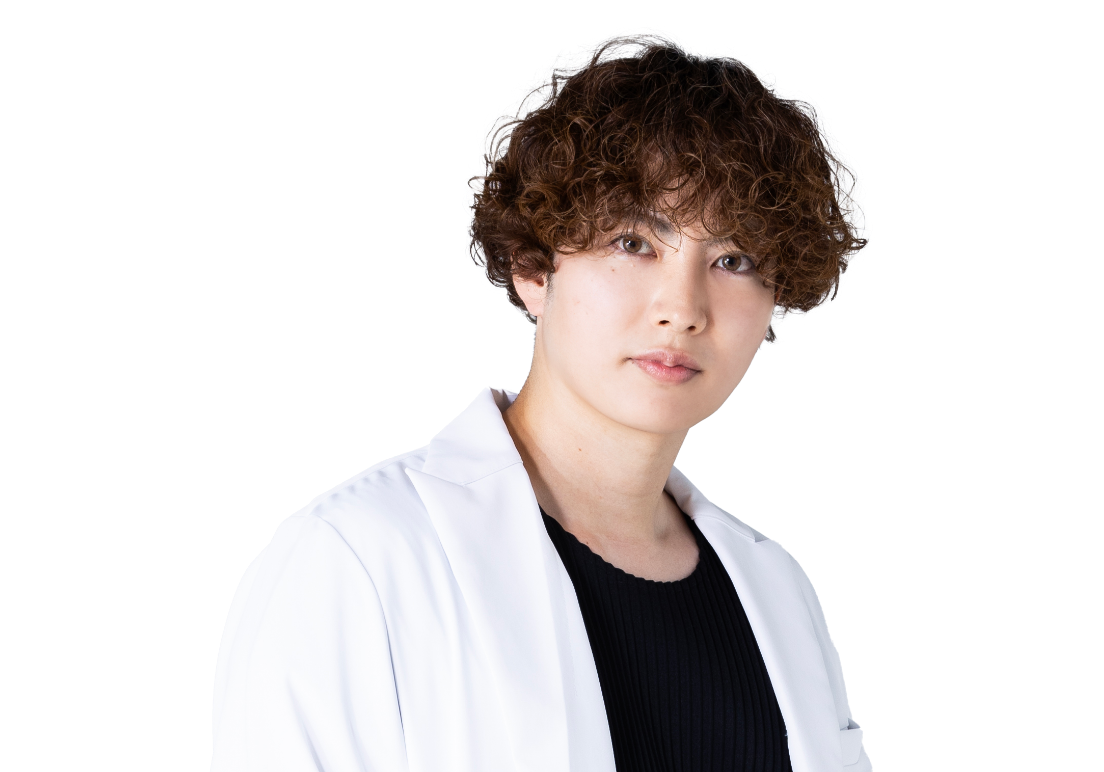
As a plastic surgeon certified by the Japanese Society of Plastic and Reconstructive Surgery, I have been involved in many cases of trauma, reconstruction, and congenital diseases, and have cultivated precise techniques and a deep understanding of anatomy. He entered the field of cosmetic surgery out of a desire to bring the power of cosmetics to his patients, as a change in one's appearance can also make one's mind more positive. Her specialties include general treatment of the eye area, injections, and sagging skin. I provide treatments that focus on beauty with the medical stance of "sincerely addressing the ideals of the patient.

Doctors' Point
A rhinoplasty is not a procedure you should choose based solely on whether it is “expensive” or “inexpensive.” It is most important to select the elements that are truly necessary for the balance between your nose and your entire face, and to create a design that is neither excessive nor insufficient.
Price is just one factor to consider. During your consultation at a cosmetic surgery clinic, please feel free to ask any questions you may have—from the breakdown of costs and material selection to balancing downtime with your daily life and long-term results. In addition to “Before & After” photos, the consistency of the explanations and the clinic’s approach to aftercare are also indicators of trustworthiness.
To Those Considering a Nose Job
“I’d like to get full rhinoplasty, but how much will it cost?” “Why do prices vary by more than 1 million yen depending on the clinic?” “Is it okay to choose a cheaper clinic?”—We often receive these kinds of questions from people considering rhinoplasty.
On social media, you often see phrases like “full nose job for ◯◯ ten thousand yen,” but in reality, there is no surgical procedure officially called a “full nose job.” Since the specific procedures included vary by facility, comparing prices alone can lead to situations where necessary procedures are omitted or, conversely, unnecessary ones are included.
Cosmetic surgery is by no means inexpensive. That is precisely why it’s important to base your decision on more than just price—you should also carefully evaluate the services offered and the clinic’s infrastructure. In this article, from the perspective of a board-certified plastic surgeon, I’ll clearly explain the typical price range for full rhinoplasty, the reasons behind price variations, and how to choose a clinic that minimizes the risk of regret.
What Is “Hana Furu”? A Colloquial Term for "Comprehensive Rhinoplasty" (Not an Official Name)
"Nose Full" is a general term for a combination of multiple surgical procedures performed simultaneously to improve the overall balance of the nose. It is not a fixed set of procedures; rather, the specific procedures are tailored to each individual’s condition and desired outcome.
Common procedures that are often combined include septal extension, alarplasty, alar cartilage grafting, rhinoplasty, alar reduction, osteotomy for narrowing, hump reduction, columella lowering, and the so-called “aristocratic nose” procedure. In other words, a “full nose procedure” does not mean “the same set of procedures for everyone.” Carefully assessing each patient’s needs and thoughtfully selecting the necessary and appropriate procedures leads to a natural-looking result and long-term stability.
A Breakdown of the Going Rate for Nose Fillers from a Cosmetic Surgery Perspective
The cost of comprehensive rhinoplasty varies significantly depending on the combination of procedures and the level of difficulty.
A general guideline is approximately 800,000 to 2,000,000 yen. For relatively simple procedures, the cost is around 1,000,000 yen, but it can exceed 2,000,000 yen in cases such as nasal septum extension involving osteotomy or rib cartilage harvesting, or when revision surgery is required following a previous procedure.
Therefore, based solely on a listing such as “Nose job: ◯◯ ten thousand yen,” you cannot determine whether the details are reasonable or whether the procedures you need are included. When reviewing a quote from a cosmetic surgery clinic, it is important to break down the cost structure to understand it fully.
A Breakdown of Costs to Check at a Cosmetic Surgery Clinic
-
Examination and Image Analysis Fees: Fees related to photography, 3D and 2D analysis, and treatment plan design
-
Anesthesia and Operating Room Fees: Vary depending on the type of anesthesia (general, regional, intravenous, etc.) and duration
-
Base Fees by Procedure: Individual Costs for Nasal Tip Reshaping, Septal Extension, Rhinoplasty, Alar Reduction, and More
-
Material Costs: Whether or Not to Use Auricular Cartilage, Nasal Septal Cartilage, Rib Cartilage, Silicone, etc.
-
Harvesting-Related Fees: Additional time and administrative fees incurred when harvesting rib cartilage, etc.
-
Postoperative Care: Costs for Taping, Immobilization, Suture Removal, Medication, and Follow-up Visits
-
Follow-up Care System: Follow-up Fees and Re-adjustment Guidelines (Re-treatment Policy)
General Cost Estimates by Surgery
-
Nose Tip Reshaping: Approximately 200,000–500,000 yen
-
Nasal Septum Extension: Approximately 400,000 to 1,000,000 yen
-
Nasal Tip Cartilage Graft: Approximately 150,000 to 400,000 yen
-
Rhinoplasty (with implants): Approximately 200,000 to 500,000 yen
-
Nasal Wing Reduction: Approximately 200,000 to 400,000 yen
-
Bone Resection and Narrowing: Approximately 400,000–800,000 yen
-
Hump Removal: Approximately 200,000–500,000 yen
-
Nasal Bridge Reduction: Approximately 200,000 to 400,000 yen
-
Aristocratic Surgery: Approximately 300,000 to 600,000 yen
The figures above are merely a guide. They may vary depending on the facility’s setup, the region, the type of anesthesia, the choice of materials, the duration of the surgery, and the difficulty of the correction. When reviewing a cosmetic surgery estimate, be sure to check both the “total amount” and the “breakdown.”
Why Price Differences Occur | The Four Main Factors
1) The combinations are different
Even for the same “full nose job,” the procedures can differ in design—for example, Clinic A may perform only septal extension and tip plasty, while Clinic B may include osteotomy, hump reduction, alar reduction, rhinoplasty, and columella lowering. Since the procedures differ, the surgery time, difficulty, and materials used will vary, leading to a wider range in costs.
2) Differences in Materials and Whether They Were Collected
The cost varies depending on the materials used, such as auricular cartilage, nasal septal cartilage, rib cartilage, and silicone. In particular, the cost tends to be higher when rib cartilage is harvested, as this requires more technical skill, time, and post-operative care.
3) Revision surgery or initial surgery?
If there are scars or contractures resulting from previous surgeries or injuries, we will develop a treatment plan that takes into account any asymmetry or insufficient cartilage. These cases are often more challenging than initial procedures, and the cost tends to be higher as a result.
4) Physicians' Experience, Staffing, and Time Allocation
The nose is anatomically delicate, so its design must take long-term changes into account. At cosmetic surgery clinics that specialize in rhinoplasty and are equipped with dedicated facilities, imaging systems, and nursing staff, these operational costs may be reflected in the price.
Criteria for Choosing a Cosmetic Surgery Clinic Beyond Just Price
It’s natural to want to keep costs down. However, once you undergo rhinoplasty, scarring can occur, which may make future revisions more difficult. It’s important to choose a “design suited to your needs” from the very beginning. When comparing cosmetic surgery clinics, keep the following points in mind.
Checklist for Choosing a Cosmetic Surgery Clinic
-
Can you provide information on your experience with rhinoplasty, how often you perform these procedures, and your clinic’s operational structure?
-
Is the counseling thorough, and are both the benefits and risks explained in concrete terms?
-
Are "Before & After" photos presented from multiple angles and at different time points (immediately after to long-term)?
-
Are the breakdown of costs and the guidelines for follow-up visits and follow-up care (re-treatment policy) clearly defined?
-
Will they tailor a plan to fit my lifestyle and downtime requirements?
-
Does it support revisions, and is there a referral system in place?
It’s not true that “cheap means good” or “expensive means high quality.” You should evaluate the clinic holistically, considering the thoroughness of their explanations, the consistency of their designs, and whether the “Before & After” results align with your ideal vision. The value of a cosmetic surgery clinic is reflected not only in the results but also in the process.
“Choose ”only the necessary elements“ rather than ”doing everything”
On social media, it’s easy to get the impression that “doing everything at once yields the best results,” but in reality, the appropriate approach varies from person to person: for some, a tip rhinoplasty alone is enough to achieve harmony; for others, a septal extension is key; and for still others, skeletal correction—including osteotomy—may be the best option. It’s also important to recognize that adding unnecessary procedures increases the risk of an unnatural appearance and greater physical strain.
During the examination, we aim for maximum harmony with the least possible intervention, taking into account the balance of the front, side, and oblique views, skin thickness, the strength of the supporting tissues, and the potential for long-term changes.
Who This Is For / Who Should Consider It Carefully
-
Ideal for: Those who have areas in need of improvement in multiple parts of the body and wish to achieve overall harmony all at once. Those who want to plan for downtime and costs comprehensively.
-
For those who want to consider their options carefully: Those for whom minor, localized adjustments are sufficient; those who want to break down their downtime into smaller increments; and those with skin conditions or physical limitations.
Rather than focusing on which option is “correct,” it’s important to adopt an attitude of seeking the choice that “best suits” your concerns, lifestyle, and hopes. In cosmetic surgery, determining that very fit is a critical part of medical care.
An Approach to Downtime Risk
Possible side effects include swelling, bruising, edema, pain, infection, scarring, contracture, asymmetry, and temporary changes in sensation. The course of recovery, the speed of healing, and how the final results settle vary from person to person and also depend on lifestyle factors (such as work, exercise habits, and physical constitution).
Discuss the post-operative immobilization, rest, and follow-up appointment schedule in advance, and create a plan that you can follow without straining yourself.
Can I use health insurance or a medical loan?
Rhinoplasty performed for cosmetic purposes is generally considered an out-of-pocket procedure. However, certain procedures aimed at treating trauma, congenital conditions, or improving function may be covered by insurance. Since the eligibility for combining cosmetic procedures with insurance-covered treatments—as well as the specific conditions for coverage—is determined on a case-by-case basis, please confirm this during your consultation.
While some cosmetic surgery clinics offer installment plans and medical loans, it’s best to consider not only the monthly payment amount but also the total amount you’ll pay.
Frequently Asked Questions (FAQ)
Q1. Can I get a full nose job for less than 1 million yen?
This may be possible if the package is straightforward. Be sure to check what’s included in the listed price, including a breakdown of anesthesia, materials, and postoperative follow-up care.
Q2. Are expensive cosmetic surgery clinics always better?
Price and technical skill aren't necessarily directly proportional. However, organizational structure and experience may be reflected in the price. Make a comprehensive judgment based on the thoroughness of the explanation, the quality of the "before and after" results, and the post-operative care provided.
Q3. Is it actually more cost-effective to do everything at once?
While there is a practical benefit to covering anesthesia and operating room fees in a single payment, we do not recommend adding items that are not covered by your plan. Limiting the scope to what is necessary tends to lead to higher patient satisfaction.
Q4. How long should I expect the downtime to last?
Results may vary depending on the specific condition and individual constitution. While people typically resume their normal daily activities within 1 to 2 weeks, it may take longer for swelling to subside.
Q5. What should I discuss during counseling?
Be sure to confirm the following: the shared vision for the final result, the minimal necessary design, the cost breakdown, risks and downtime, the follow-up support system, and the timing for presenting the "Before & After" results (immediately after to long-term).
For Those Considering a Consultation
This article provides general information. The optimal solution for each individual depends on the shape of the nose, skin thickness, past treatment history, lifestyle, and desired outcome.
Start by jotting down any concerns you have, and then work through them together during your consultation. If you’re wondering whether this is right for you, feel free to take advantage of the consultation within your comfort level. We believe that a cosmetic surgery clinic should be a place where you can explore your options at your own pace.
Summary
The typical price range for a nose job is generally between 800,000 and 2,000,000 yen, but the actual total cost depends on “what procedures are performed, in what order, and to what extent.” You cannot determine the specifics based on the listed price alone.
When choosing a cosmetic surgery clinic, be sure to comprehensively evaluate the cost breakdown, choice of materials, the surgeon’s experience, before-and-after photos, and post-operative care, and select a treatment plan that aims for maximum harmony with the least possible intervention.
If you're feeling lost, don't try to handle it all on your own—start by seeking advice to get your information in order.