column (e.g. in newspaper)
2026.07.24
A Plastic Surgeon Explains in Simple Terms: Facelifts—Facing the Reality of Downtime [Key Points for Consultations in Ginza, Tokyo]

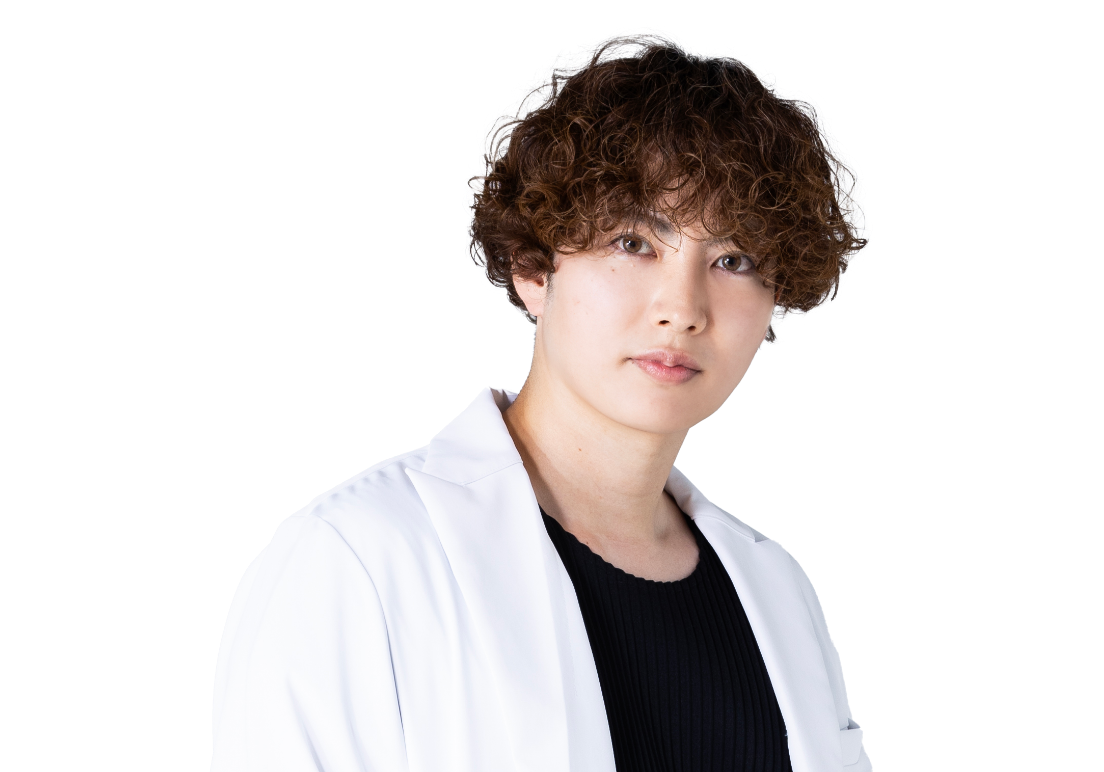
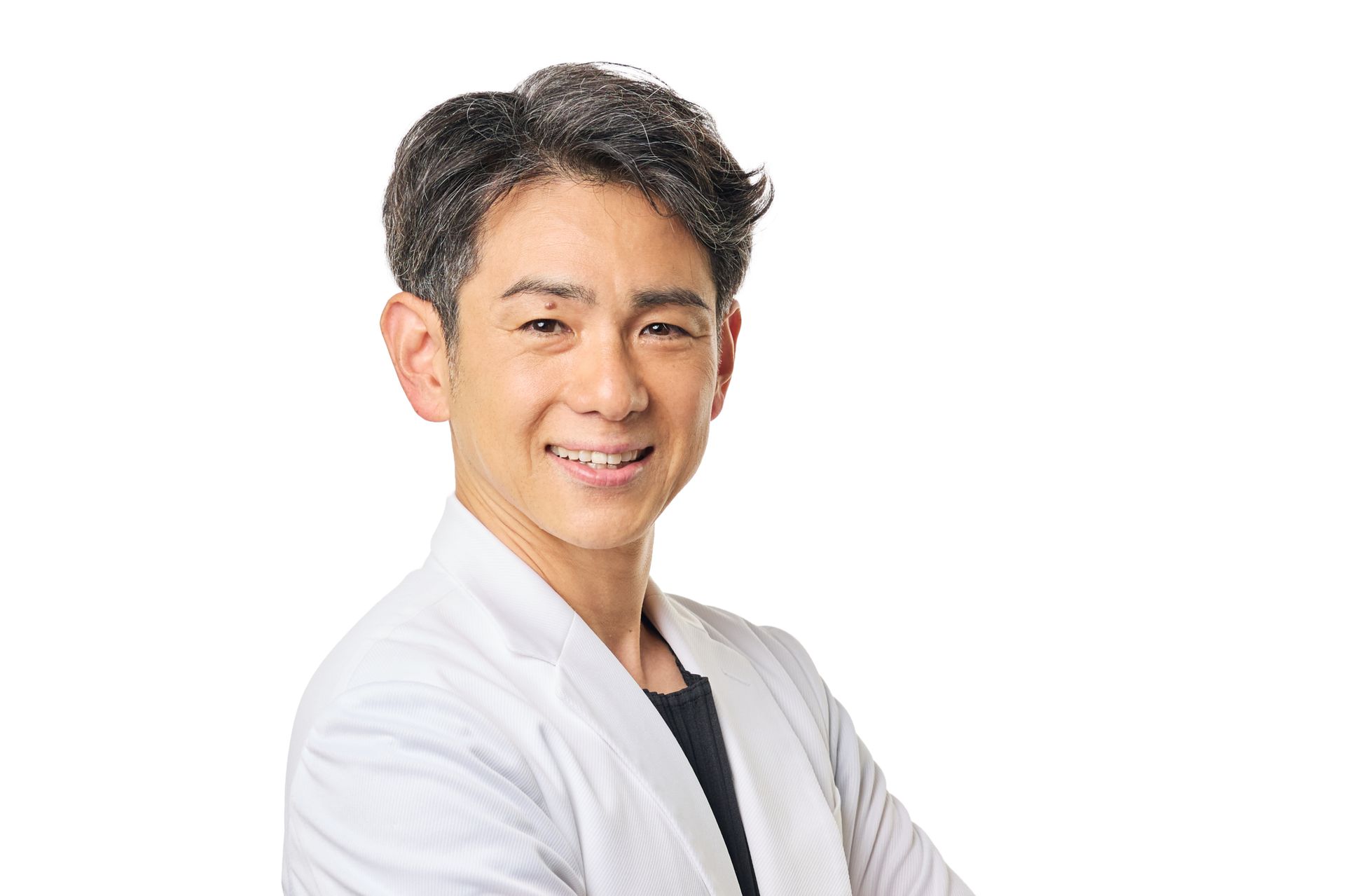
As a plastic surgeon, he has experienced many cases and has developed precise techniques and a deep anatomical understanding. Currently, combining his knowledge of plastic surgery with the latest technology, he provides a wide range of cosmetic treatments for skin, contouring, sagging, and other concerns of aging. He has also shared the responsibility of writing Japan's first textbook on gynecological cosmetic surgery, "Basic Techniques of Gynecological Cosmetic and Plastic Surgery. From her experience as an idol during medical school, she realized that "natural beauty" goes beyond the will to choose how you want to be, and she focuses on supporting her patients to "love yourself more every day". We are English-speaking and value counseling that is easy to talk to.

I often hear people say that when they look in the mirror, they’re bothered by sagging cheeks and jawline, and they’d like to have them lifted. But they’re hesitant to take the first step because they’re worried about the “downtime” associated with a facelift.
When you have a packed schedule with work and family commitments in Tokyo or Ginza, figuring out how to manage swelling, bruising, and the time you’ll need to take off is a key consideration.
In this article, from the perspective of a board-certified plastic surgeon with the Japanese Society of Plastic and Reconstructive Surgery who performs numerous cosmetic surgical procedures, I will explain in a clear and honest manner the reality of facelift recovery time and how to plan your recovery to fit your lifestyle in the Ginza area of Tokyo.
Taking into account the differences between the roles of cosmetic surgery and cosmetic dermatology, we’ll work with you to identify realistic options.
[Doctor’s Point]
"I'm worried about the downtime associated with a facelift that involves an incision" is a concern I hear very often during consultations.
When you read people’s experiences online, it’s natural to worry that you won’t be able to see anyone for a month. But speaking from my experience on the front lines, while swelling does peak for a few days after surgery, as long as you follow the “proper post-operative care” guidelines and take it easy during your recovery, most people are able to return to their daily routines sooner than they expect by making adjustments to their makeup and hairstyle.
During your recovery period, it’s natural to feel anxious every time you look in the mirror, wondering, “Will I really look beautiful?” That’s exactly why this isn’t just about the surgery itself—please feel free to consult with me, your specialist, about anything throughout the entire process, right up until the swelling subsides and your ideal facial contours are fully formed.
A Plastic Surgeon Explains the Basics of Facelift Downtime
"Facelift downtime" refers to the period until the swelling, bruising, and tightness that occur after the procedure subside, and the impact on daily life becomes minimal.
In the field of cosmetic surgery, I’ll be speaking on the assumption that there are significant individual differences depending on age, skin thickness, lifestyle, and the scope of the procedure.
As a general guideline, it seems that most people wait 2 to 3 weeks before going out in public—at a level where they are unlikely to be noticed by others—and wait 4 to 6 weeks or longer before planning activities such as photo shoots or events where they’ll be in the public eye.
However, the rate of recovery varies from person to person; some recover quickly, while others take more time to get back on track.
A General Overview of the Process
- Days 0–5: Focus on rest. Some people find that swelling subsides more easily when they apply cold compresses or rest with their head elevated. Pain can often be managed with pain relievers, though the degree of pain varies from person to person.
- Days 6–10: The swelling has peaked, and the bruising has turned yellowish. While some people may be able to do light work from home, their facial features may still appear tight, even on screen.
- Weeks 2–3: By this time, it becomes easier to go out for short periods while covering up with a mask or your bangs. I get the impression that many people in Tokyo choose to return to work around this time or later.
- Weeks 4–6: Swelling continues to subside, and your facial expressions will look more natural. It’s best to schedule photo shoots and events for this time or later.
- 3–6 months: The texture will continue to settle in, and the overall balance will be established. The full impact of the final result will gradually become apparent over the course of several months.
In addition, the season and whether there are any events can provide helpful hints for planning.
You’ll experience less stress if you adjust your schedule to match the rhythm of life in Ginza, Tokyo—taking into account changes in humidity and temperature, the comfort of wearing a mask, and the timing of long weekends.
If you don't want people around you to notice, choosing the right hairstyle or eyeglass frames can be a little help.
Key Factors Affecting Downtime and How to Approach Them
The length of recovery time after a facelift is not a matter of chance; it is determined by a combination of several factors.
Plastic surgeons and cosmetic surgeons carefully assess the following points during consultations and develop a realistic treatment plan based on them.
- Scope and depth of the procedure: The more extensive the lift, the longer recovery tends to take. That said, taking your time with the final results can ultimately lead to greater satisfaction.
- Constitution, age, and skin type: Factors such as susceptibility to swelling, tendency to develop scars, and skin thickness vary greatly from person to person.
- Medical History and Medications: Blood-thinning medications and supplements may affect internal bleeding. Do not stop taking them on your own; be sure to consult your doctor beforehand.
- Daily Routine: We’ll assess your daily routine—including commuting and business dinners in Tokyo and Ginza—and work with you to develop a step-by-step plan for your return to work.
- Postoperative Care Environment: The extent to which patients follow guidelines regarding hygiene, sleep, and smoking cessation. In addition to following the plastic surgeon’s instructions, a strategy that includes skincare from a cosmetic dermatologist to improve skin texture can also be helpful.
While it’s not realistic to eliminate swelling entirely, it is possible to “predict how it will develop and adapt your daily life accordingly.”
At our cosmetic surgery clinic, we’ll explain the range of downtime options based on a physical examination and an assessment of your skin’s elasticity. Please also let us know about any previous cosmetic dermatology treatments and your allergy history.
A Realistic Schedule for Those Considering a Facelift in Ginza, Tokyo
In Tokyo’s Ginza area, where schedules tend to be packed, the key is to plan realistically. We recommend the following steps, incorporating advice from both cosmetic surgeons and cosmetic dermatologists:
- Postpone important in-person appointments for at least 4 to 6 weeks: Wait until your facelift recovery period has fully subsided before attending internal meetings, giving presentations, or dining out in Ginza.
- Working from Home and Making the Most of Long Weekends: Since many people in Tokyo have the necessary setup for telework, it’s a good idea to focus primarily on online work for the first one to two weeks.
- Using Hairstyles, Masks, and Glasses: Cover yourself naturally while making a smooth return to normal life. Follow your plastic surgeon’s instructions and avoid irritation.
- Changing Your Skincare Routine: Switch to basic skincare products that are low in fragrances and irritants. It’s a good idea to consult a cosmetic dermatologist for advice on choosing moisturizers and sunscreen.
The Basics of Postoperative Care and Support Available at Aesthetic Dermatology Clinics
To ensure a smooth recovery, it’s important to make small, consistent efforts every day. While you should always prioritize the specific instructions provided by your plastic surgeon, the following general guidelines may be helpful. In addition, considering follow-up care at a cosmetic dermatology clinic can help promote a more natural-looking result.
- Face and Hair Washing: Until you receive permission, wash gently with lukewarm water. Avoid rubbing, and use the hair dryer on a low heat setting.
- Bathing and Exercise: A sudden increase in blood flow may cause swelling to worsen. Gradually resume these activities.
- Sleeping Position: Some people are more prone to swelling when they sleep with their head elevated.
- Alcohol and Smoking: Since these can hinder recovery, proceed with caution and follow your doctor’s instructions.
- UV Protection: Use sunscreen and a hat. We also recommend consulting a cosmetic dermatologist to choose products that are gentle on your skin.
In many cases, “subtraction” is more effective than “addition” when it comes to care; a simple approach that avoids stimulating factors—such as scent, friction, heat, and vigorous massage—proves most effective.
At a cosmetic dermatology clinic, you can consult with a specialist on everything from moisturizing routines tailored to the season and your skin type to the proper way to reapply sunscreen—down to the finer details of incorporating these practices into your daily life.
Which Is Better for Me: a Facelift at a Cosmetic Surgery Clinic or a Treatment at a Cosmetic Dermatology Clinic?
Rather than asking, “Which one is the best?” it’s more practical to consider which one best suits your current concerns, lifestyle, and hopes.
While surgical lifts performed at cosmetic surgery clinics can address the underlying causes of sagging, the downtime associated with a facelift can range from several weeks—the time it takes to resume social activities—to several months, by which time the final results have settled.
Cosmetic dermatology treatments are well-suited for improving skin texture, achieving mild skin tightening, and maintaining skin health, and they generally involve minimal downtime. Rather than choosing just one option, it’s also a practical approach to combine them at different times.
Examples of Decision-Making Criteria
- Severity of the concern: If the loss of facial contour is clearly defined, surgical treatment at a cosmetic surgery clinic may be an option. For mild to moderate concerns or those primarily related to skin texture, a cosmetic dermatology clinic may be a better fit.
- Schedule: If you work in Tokyo, where it’s difficult to take extended leave, it’s helpful to plan a phased approach.
- Target Date: If you have events or photo shoots scheduled in Ginza, it's best to plan backward with plenty of time to spare.
For example, a routine such as having your skin treated at a cosmetic dermatology clinic, scheduling a facelift at a cosmetic surgery clinic during the off-season, and then returning to the cosmetic dermatology clinic to refine your skin’s texture after recovery is an approach that even busy people in Tokyo can easily adopt.
If noticeable sagging is the primary concern, one approach is to start with cosmetic surgery and then follow up with ongoing maintenance at a cosmetic dermatology clinic.
Who This Is For / Who Should Consider It Carefully
As a board-certified plastic surgeon who performs cosmetic procedures, I explain that the following trends generally apply. These are merely guidelines, and it is important to discuss them in detail during an individual consultation.
- Ideal Candidates: Those with significant sagging along the jawline who wish to see a noticeable difference in their photos. Those who can schedule in-person appointments in Tokyo or Ginza at least 3 to 4 weeks in advance. Those who are comfortable with the downtime period.
- People who should consider this carefully: Those who find it difficult to take time off due to work or childcare; those who cannot quit smoking; and those with a history of bleeding disorders or who are taking medication that increases the risk of bleeding. You may also want to start by exploring options at a cosmetic dermatology clinic.
Risks and Potential Complications You Should Be Aware Of
Every treatment carries risks. With facelifts, common examples include swelling, bruising, numbness, the appearance of asymmetry, redness of the scar, and infection.
While most symptoms subside over time, the recovery process and duration vary from person to person. In cosmetic surgery, ensuring safety involves discussing the range of possible outcomes and treatment options in advance, as well as clearly establishing how patients can contact the clinic after surgery.
When you have concerns, a support system involving a multidisciplinary team—including cosmetic dermatologists—can be helpful in certain situations.
If you have persistent symptoms that concern you, don’t put up with them—seek advice as soon as possible. If you have access to remote communication methods, such as photo sharing, you can reduce the burden of traveling from Tokyo or Ginza for your appointments. Avoid making your own judgments and follow the instructions of your plastic surgeon.
Checklist for Consultations at Cosmetic Surgery Clinics in Tokyo and Cosmetic Dermatology Clinics in Ginza
During your initial consultation, it’s a good idea to go over the following points. Make sure the explanations are easy to understand, and feel free to ask as many questions as you need until you’re fully satisfied.
- Qualifications and Experience: Verify the doctor’s experience as a board-certified plastic surgeon or reconstructive surgeon, as well as their approach to facelifts.
- Explanation of Downtime: When swelling peaks, estimated time to return to work, and when to resume exercise and bathing.
- Aftercare System: Methods of communication, frequency of checkups, and whether there are appointment times convenient for patients traveling from Tokyo or Ginza.
- Range of Treatment Options: Not only cosmetic surgery, but also options in cosmetic dermatology and how to combine them at different stages.
- Handling of Photos: How to present “Before & After” images, points to note, and consideration for individual differences. Confirm that the images are merely examples and do not guarantee the same results.
How to Interpret "Before & After" Images and Tips for Maintaining Distance
"Before & After" photos are a useful way to see the changes before and after a treatment, but the overall impression can vary significantly depending on lighting, angle, makeup, and facial expressions.
During a cosmetic surgery consultation, rather than simply comparing photos, checking when they were taken—whether during the facelift recovery period or after the recovery was fully complete—makes it easier to develop realistic expectations.
When looking at "Before & After" photos, pay attention to whether the "brightness, angle, facial expression, hairstyle, and shooting distance" are consistent. For photos from cosmetic surgery clinics, be sure to check the context as well, such as when the photos were taken and whether they have been edited.
Frequently Asked Questions (FAQ)
Q1. When can I start wearing makeup and washing my hair?
Although results vary from person to person, you may be allowed to apply certain types of makeup—such as around the eyes—after 1 to 2 weeks. Please follow the specific instructions provided by your plastic surgeon regarding the timing. For peace of mind, consult a cosmetic dermatologist when selecting low-irritation products.
Q2. When can I return to work?
Most people aim for about 10 days to two weeks for roles focused on remote work, and about three to four weeks for roles that involve a lot of in-person work. While telework is becoming more common in Tokyo, it’s best to allow for some flexibility during periods with frequent business dinners and presentations.
Q3. Is the pain severe?
While most cases can be managed with pain medication, the degree of discomfort varies from person to person. Patients often find the “tightness” and “swelling” more bothersome than the pain itself, and these symptoms typically subside over a period of several weeks to one or two months. If you have any concerns, please contact a cosmetic surgery clinic as soon as possible.
Q4. Are there any tips for minimizing downtime?
The basics include not smoking, getting enough sleep, keeping the area cool, and maintaining cleanliness as instructed. Avoid taking supplements or medications on your own; be sure to inform your doctor beforehand. Moisturizing and sun protection advice from a cosmetic dermatologist can also aid in your recovery.
Q5. What criteria do you use to choose a consultation service in Ginza, Tokyo?
A clinic staffed by board-certified cosmetic surgeons and plastic surgeons that provides thorough explanations of downtime and risks, along with clear guidelines for aftercare. If the clinic can suggest combining cosmetic dermatology treatments with cosmetic surgery options, it allows for greater flexibility in treatment planning.
Ease of access (from Ginza, Tokyo) is also a practical consideration.
Designing Post-Surgical Maintenance Programs, Including Cosmetic Dermatology
How long the downtime for a facelift lasts is probably the thing everyone worries about most when deciding to go ahead with the surgery. While online sources and textbooks often state that “significant swelling lasts 1 to 2 weeks, and it takes several months to fully subside,” based on my daily experience working with facial anatomy in the clinic, I’ve found that the speed of recovery is fundamentally determined by “minimizing tissue damage during surgery” and “thorough post-operative compression and immobilization.” As a board-certified plastic surgeon, I can minimize unnecessary bleeding by carefully dissecting the anatomically correct layers. While you may feel anxious at times during the post-operative period, this is a crucial preparation phase for achieving a beautiful facial contour that looks stunning from every angle. We’ll be here to fully support you, so let’s get through this together.
Consultations in the Ginza Area of Tokyo
This article is intended to provide general medical information and is not based on the specific track record of any particular medical institution. We hope it will help those considering cosmetic surgery or cosmetic dermatology in Tokyo or Ginza to address any concerns they may have before making an appointment and to develop a realistic plan.
We do not engage in high-pressure sales tactics, so please feel free to contact us even if you’re just at the stage where you’re wondering, “Is this right for me?”
Summary
With proper planning and preparation, you can reframe the "fear" associated with facelift downtime as a "manageable period."
Consulting with a board-certified plastic surgeon or cosmetic surgeon to map out a return-to-daily-life plan tailored to your lifestyle in advance (aiming for a return to social settings after 4 to 6 weeks) and working with a cosmetic dermatologist to improve your skin’s texture will help ensure a smooth recovery.
Even amid the hectic daily life of Ginza, Tokyo, you can proceed with your decision-making process at a comfortable pace by breaking up your schedule and securing the necessary support. Start by writing down your current concerns and consult a trusted cosmetic surgery or cosmetic dermatology clinic.