column (e.g. in newspaper)
2026.07.07
An Overview of Cosmetic Surgery for Dark Circles Under the Eyes: What You Should Know Before Consulting a Clinic in Ginza, Tokyo

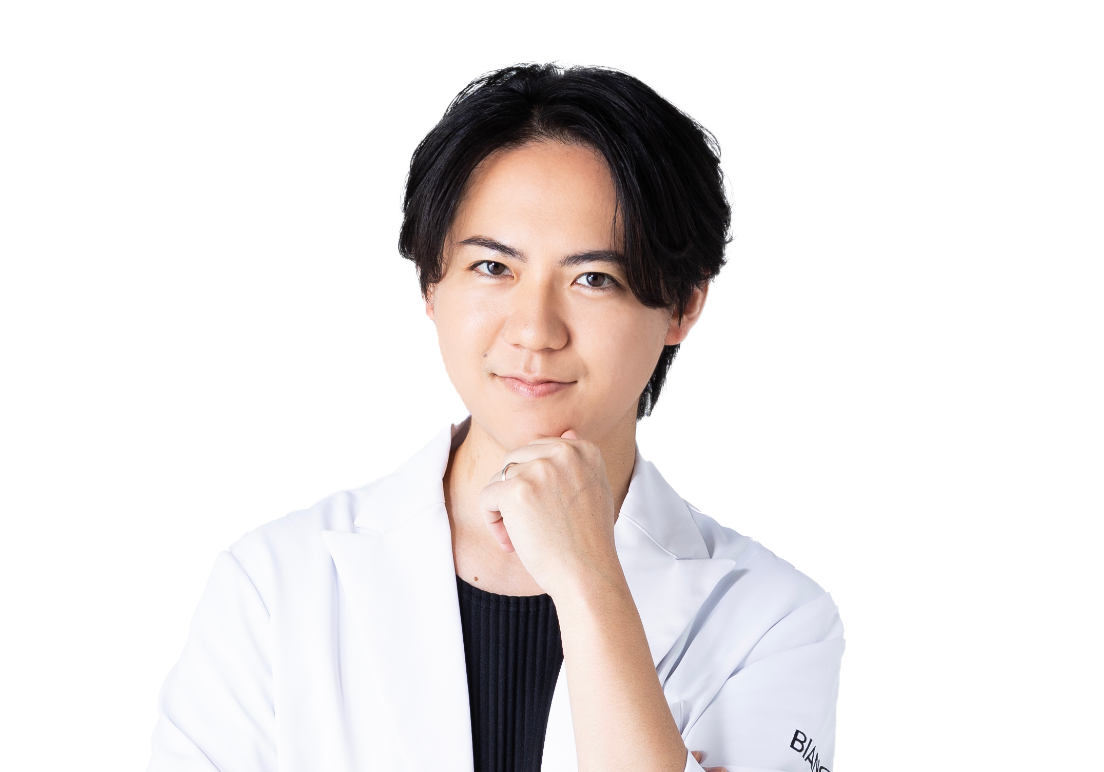
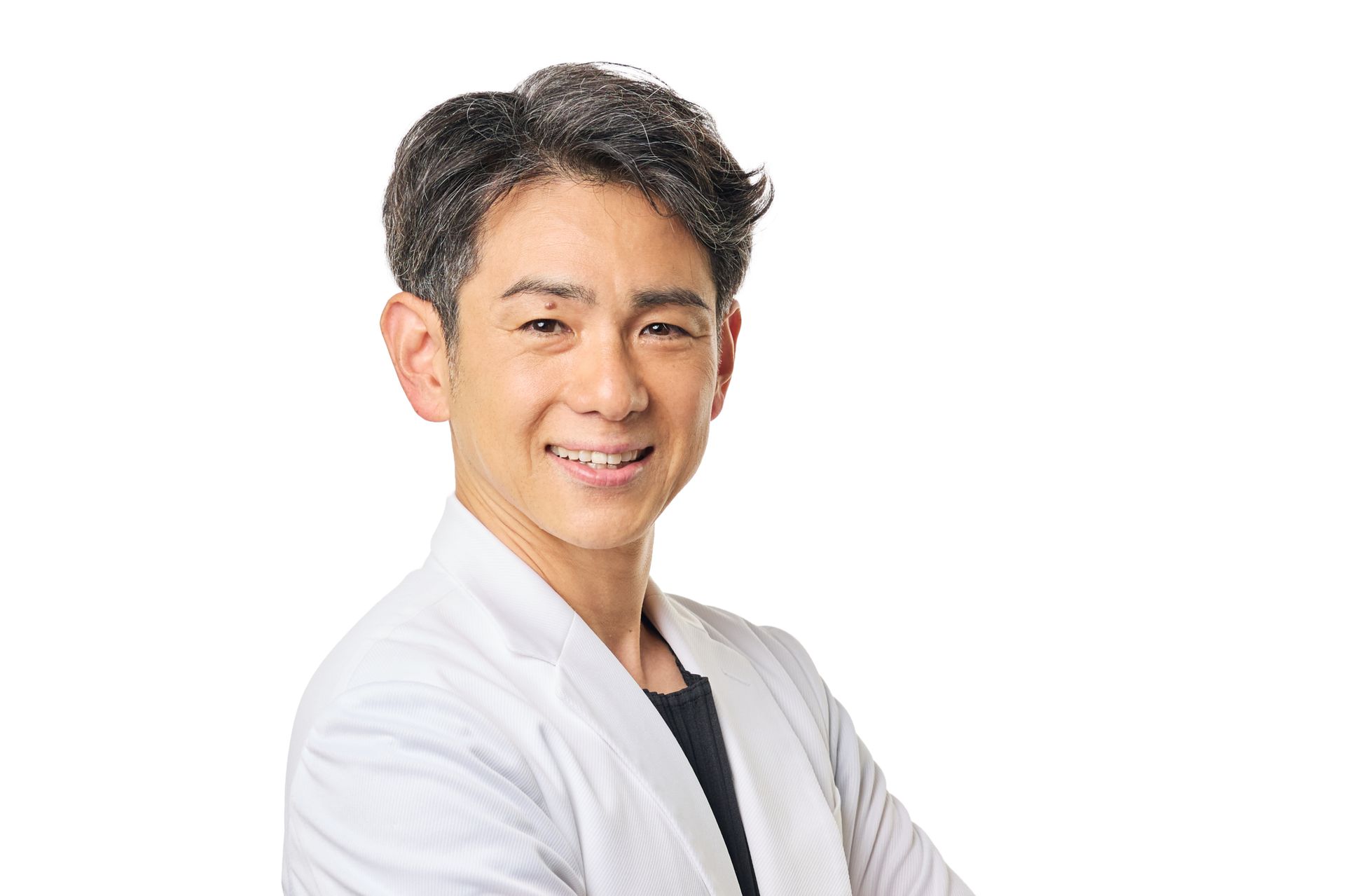
As an Assistant Professor, Associate Ward Director, and Chief of Dermatopathology at the university hospital dermatology department, I deepened my expertise through academic presentations and paper publications both domestically and internationally. I have handled a wide range of treatments, from birthmark therapy in children to adult pigmentation concerns, utilizing various lasers and injection therapies, while also contributing to community healthcare. Through encountering numerous cases, I strongly felt the potential and necessity of aesthetic medicine, resolving to pursue further expertise. Building upon my solid dermatological knowledge and meticulous diagnostic skills, I value treatments that gently support each individual's skin while bringing out its inherent beauty.

Standing in front of the mirror in the morning, have you ever felt a sudden pang of sadness when you realize that the dark circles under your eyes won’t go away no matter how much concealer you apply? They make you look older in photos. Tokyo offers a wealth of information and options, and many cosmetic surgery clinics—including those in Ginza—offer consultations for “dark circle removal.” That said, there isn’t just one solution, so it’s important to choose a method that suits your specific causes and lifestyle. In this article, we’ve compiled, in a clear and easy-to-understand way, the key points you should know before consulting a cosmetic surgery clinic in Tokyo or Ginza. Let’s take our time and work together to identify your “causes” and the “methods that are right for you.”
[Doctor’s Point]
I get asked all the time, “So, which treatment is ultimately best for dark circles under the eyes?” On social media, there’s all kinds of information out there—things like “fat removal alone isn’t enough,” “fat grafting isn’t necessary,” or “only the Hamra method works.” But based on my experience treating patients every day, I feel that determining “what’s causing the dark circles” is far more important than deciding “which procedure to perform.”
What Is Cosmetic Surgery for Dark Circles? The Basics You Need to Know First
Cosmetic surgery for under-eye dark circles is a general term for treatments that address structural factors—such as “shadows,” “hollows,” and “sagging” under the eyes—to improve one’s appearance. Unlike approaches that focus primarily on skincare, these procedures focus on the balance of subcutaneous volume, fat, and skin texture. Even at cosmetic surgery clinics in Tokyo and Ginza, the first step in diagnosis is determining “which factors are present and to what extent.” Among bluish tones (blood circulation), brown tones (pigmentation and friction), and dark shadows (unevenness), if the unevenness that creates the shadows is the primary factor, it becomes easier to consider cosmetic surgery for dark circles as an appropriate treatment option.
It’s important to note that even though it’s all referred to as “dark circles,” the causes vary from person to person. They can be due not only to changes in volume caused by aging but also to skeletal features, sleep patterns, and allergic tendencies. When consulting at a cosmetic surgery clinic in Tokyo, it’s best to have your makeup lightly removed so the doctor can examine your bare skin and perform a physical examination—this tends to lead to a more accurate diagnosis.
Why Consultations Are on the Rise at Cosmetic Surgery Clinics in Ginza, Tokyo
Tokyo and Ginza are easily accessible, making it convenient to visit cosmetic surgery clinics after work or on weekends, which has led to a surge in consultations. With an increasing number of cosmetic surgery clinics offering online consultations, it has become easier to get a sense of downtime and the number of required visits in advance. That said, given the sheer volume of information available, some people say, “I don’t know what criteria to use when choosing.” By clarifying your selection criteria, you’ll find it easier to identify the right clinic for you among the many cosmetic surgery clinics in Tokyo and Ginza.
A Simple Checklist to Identify Your Bear Type
Try the following three things in front of a mirror. These are just general guidelines, but getting your thoughts in order before your initial consultation at a cosmetic surgery clinic in Tokyo or Ginza will help the conversation go more smoothly.
-
Adjusting the direction of the light: If the shadows become more pronounced when the light comes from above, it’s likely that unevenness (dark circles) is a major factor.
-
Changes due to smiling or tension in the orbicularis oculi muscle: If the puffiness becomes more pronounced when smiling, this suggests the influence of fat or supporting tissue in the lower eyelid.
-
Gently lift the skin: If the shadow becomes less pronounced, it may be related to skin laxity or tension around the ligaments.
Self-assessment is, after all, just a way to form hypotheses. The final decision should be made based on a consultation at a cosmetic surgery clinic and a review of photos (it’s reassuring to have an objective presentation, such as “Before & After” images).
The Main Approaches Often Recommended at Cosmetic Surgery Clinics in Tokyo
At cosmetic surgery clinics in Tokyo, several options are recommended depending on the cause. Rather than ranking them in terms of which is better or worse, let’s categorize them based on “suitability.” Results, downtime, and duration vary from person to person for each option.
-
How to Address Bulging (Orbital Fat): Consider this approach when the primary cause of shadows is “protruding fat.” When shadows caused by bulging are softened, the overall appearance tends to look more balanced.
-
How to add volume to sunken areas: For those with a pronounced step-like difference in contour from under the eyes to the cheeks. This approach involves using your own tissue or injections to smooth out unevenness.
-
How to Improve Skin Texture: If your main concerns are uneven skin tone or fine wrinkles, a combination of skincare products and light-based treatments may be appropriate.
At cosmetic surgery clinics in Ginza, Tokyo, it is common for doctors to recommend a combination of treatments that address both “protrusions” and “indentations” with small amounts of filler, rather than focusing on just one area. Since it’s important to achieve a balance—neither too much nor too little—a treatment plan that proceeds in stages and allows for fine-tuning during follow-up visits provides peace of mind.
Key Points to Keep in Mind When Seeking Advice in the Ginza Area
I get the impression that many cosmetic surgery clinics in Ginza are easy to visit and have well-established aftercare systems. Let’s review the information based on the following points.
-
Thoroughness of the diagnosis: Does the practitioner provide a comprehensive explanation of the cause, incorporating physical examination and assessments while the patient is seated or lying down?
-
How to Present "Before & After" Images: Are the lighting conditions and angles consistent? Is the time period covered clearly indicated?
-
Follow-up Support: Guidance on self-care during periods of swelling or edema, contact methods, and ease of scheduling follow-up appointments.
-
A Plan Tailored to Your Lifestyle: Is your schedule for medical appointments in Ginza and central Tokyo manageable?
Explanations at cosmetic surgery clinics tend to involve technical jargon. Whether the atmosphere makes it easy to ask questions on the spot about anything you don’t understand is also an important factor to consider when choosing a clinic in Ginza, Tokyo.
Pain, Downtime, and Estimated Duration
While the level of pain varies depending on the procedure and individual constitution, many cosmetic surgery clinics take measures to minimize discomfort through the use of anesthesia and cooling techniques. Downtime can range from a few days to several weeks. Swelling and bruising vary significantly from person to person and can also be influenced by your physical condition and daily routine (such as commute times and activity levels in Tokyo or Ginza). The duration of results also varies from person to person, and the appearance may change due to aging or weight fluctuations. It is important to plan your schedule realistically and to confirm your lifestyle and medication use before the procedure.
Risks and Precautions
Typical risks associated with cosmetic surgery to remove under-eye bags include swelling, bruising, asymmetry, unevenness, results that differ from expectations (overcorrection or undercorrection), dryness, and temporary changes in sensation. While most of these symptoms subside over time, be sure to confirm the proper aftercare procedures and follow-up schedule in advance. When consulting with a cosmetic surgery clinic in Tokyo or Ginza, it is reassuring to have a shared understanding of the expected recovery process and what constitutes a “successful outcome.”
Criteria for Choosing Beyond Just Price
Ginza, Tokyo, is known for its wide variety of options and a broad range of price points. While cost is important, be sure to compare options based on the following criteria as well.
-
Consistency of the diagnosis: Are the photographs, physical examination findings, and explanation consistent with one another?
-
Scope of the proposal: Are there options for a phased or combined approach, in addition to a standalone approach?
-
Downtime Planning: Is it a realistic plan that takes into account work, school, and household responsibilities?
-
Follow-up: Ease of contact, handling of follow-up visit fees, and procedures for adjustments in case of emergencies.
You can verify this information at any cosmetic surgery clinic in Tokyo or Ginza. If you prepare a list of questions in advance and ask the same questions at multiple clinics, it will be easier to compare them.
Who This Is For / Who Should Consider It Carefully
-
Ideal for: Those whose shadows are primarily caused by unevenness in skin texture and who feel that makeup alone has its limits in covering them. Those who are constantly concerned about how they look in photos and videos. Those who live in an area with convenient access to clinics in Tokyo or Ginza.
-
For those who want to consider this carefully: If you’ve been feeling unwell lately, have severe allergies or dermatitis, find it difficult to take an extended period of recovery time, or haven’t yet decided on the final look you want. It might be a good idea to start by reviewing your skincare routine and lifestyle habits.
How to Interpret "Before & After" Images and Tips for Using Them
When reviewing “Before & After” photos at a cosmetic surgery clinic in Ginza, Tokyo, check to see if the photography conditions (lighting, distance, and angle) are consistent and if the time periods (immediately after, 1 month, 3 months, etc.) are clearly indicated. It’s also important to check whether the starting point—such as the way shadows fall or the structure of the facial bones—is similar to your own concerns. By evaluating not only the ideal outcome but also how it compares to your own facial features, you can develop a treatment plan that you’ll feel confident about.
An Example of the Day's Schedule (Typical Cosmetic Surgery Clinic)
Generally, the process follows this sequence: consultation → photo session → medical examination → explanation of the treatment plan and downtime → informed consent → procedure → cooling and aftercare → return home. At clinics in Tokyo and Ginza, the total time required may vary depending on how busy the clinic is, so be sure to schedule your visit with plenty of time to spare. It’s reassuring to have written materials regarding prescription medications and self-care instructions so you can review them after you return home.
A Mini Checklist for Choosing a Clinic in Ginza, Tokyo
-
Is the location and schedule convenient for commuting from Tokyo or Ginza (so I won't be late or have to stretch myself too thin)?
-
Does the cosmetic surgery clinic provide consistent explanations and discuss risks honestly?
-
Are the "Before & After" images presented objectively, and are progress photos included?
-
Do they respond appropriately to inquiries, and do they offer a choice of contact methods?
-
Are the items included in the estimate (follow-up visits, care supplies, anesthesia, etc.) clearly specified?
FAQ (Frequently Asked Questions)
I’ll give you a brief, to-the-point answer. Please check with cosmetic surgery clinics in Tokyo or Ginza individually for more details.
Q. When can I expect to return to work?
It depends on the situation, but it’s often safer to plan for a few days if you’re working from home, and about 1 to 2 weeks if you’re working in person. This varies from person to person.
Q. When can I start wearing makeup and contact lenses?
You may be advised to avoid putting strain on the eye area for a certain period of time. Generally, this period ranges from a few days to about a week, but please follow the specific instructions provided by your cosmetic surgery clinic.
Q. I'm worried about the pain.
Although precautions such as anesthesia and cooling are taken, everyone’s experience varies. Be sure to check with the cosmetic surgery clinic in Ginza, Tokyo, about what arrangements can be made on the day of the procedure and whether additional pain relief is available.
Q. How long do the effects last?
Your appearance changes due to aging, weight, and lifestyle. Even if you’re aiming for long-term stability, a plan that accounts for ongoing maintenance is the most realistic approach.
Q. Where should I look for the "Before & After" section?
Does the lighting, angle, and facial expression look consistent? What stage of the process is it in? Does it start from a point similar to your concerns? Ask to see photos under the same conditions at cosmetic surgery clinics in Tokyo or Ginza.
Conclusion
Dark circles under the eyes are caused by multiple factors, including not only age but also bone structure and volume balance. That’s why being able to discuss “identifying the root cause” and “developing a plan tailored to your lifestyle” with a cosmetic surgery clinic in Tokyo or Ginza is directly linked to your satisfaction. When choosing a cosmetic surgery clinic that’s right for you, don’t just focus on cost and duration—also consider the thoroughness of the diagnosis, the objectivity of the “before and after” results, and the quality of the follow-up care. There are many clinics to consult in Tokyo and Ginza. If you’re unsure, start with a consultation—which also serves as a way to organize the information. It’s perfectly fine even if you’re just at the stage of wondering, “Is this right for me?” When you encounter an explanation that isn’t pushy, you’ll surely feel more comfortable taking that first step.
In cosmetic medicine, I’m often asked, “Which procedure is the best?” However, when it comes to treating dark circles under the eyes, what matters most to me isn’t which procedure is superior, but whether a particular treatment is truly the right fit for the individual. During the consultation, I conduct a comprehensive evaluation that goes beyond just the area under the eyes—I consider skeletal structure, fat distribution, skin condition, balance with the cheeks, and even the patient’s available downtime and budget—to recommend the treatment that’s best suited for them. If you’re wondering, “Which treatment is right for me?” I recommend starting by understanding the causes of your dark circles rather than simply choosing based on the name of the procedure. I believe that first step is the shortest path to dark circle treatment you won’t regret.