column (e.g. in newspaper)
2026.08.26
What Should You Eat After Liposuction? A Cosmetic Surgeon Explains Recommended Foods, Foods to Avoid, and How to Recover After Surgery
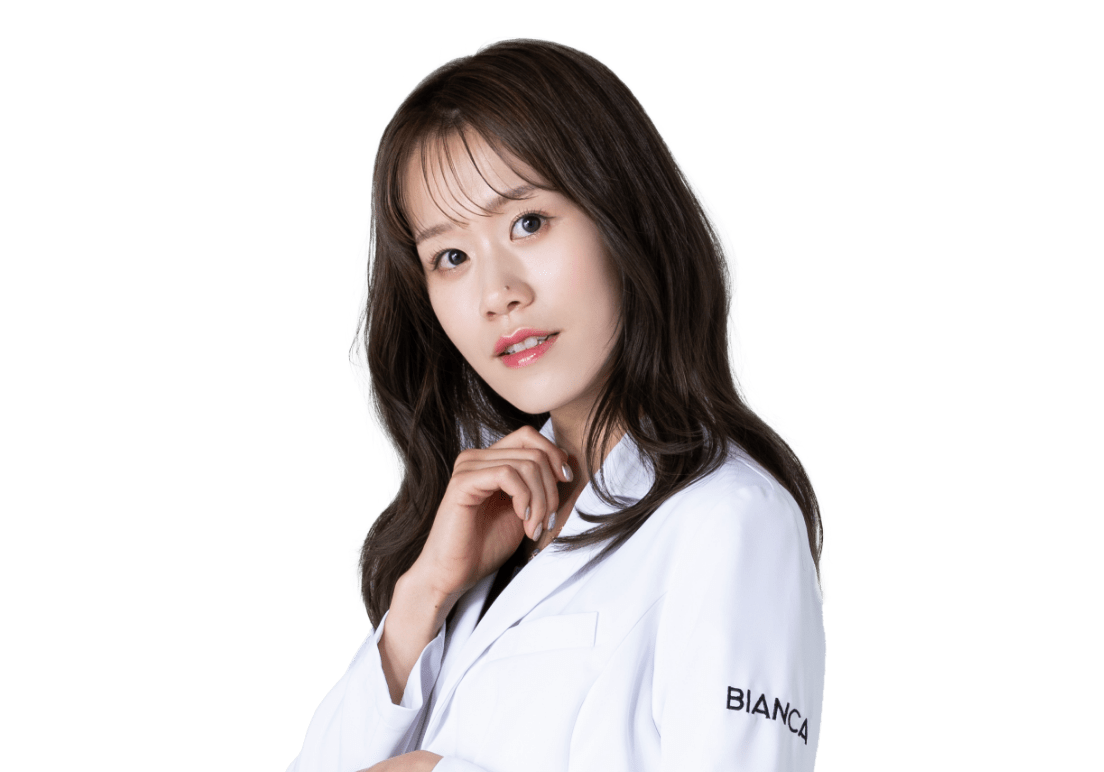
My journey into aesthetic medicine stems from a desire to help enrich and beautify lives beyond simply treating illness. My specialties include hyaluronic acid, Botox, and thread lifts. I provide treatments that enhance each individual's unique qualities and bring out an elegant, natural beauty. For concerns around the eyes that are difficult to improve with dermatology alone, I also perform surgical procedures. By integrating dermatology and surgery, I holistically balance the entire face. With three periods of overseas study, I am also able to provide consultations in English.
After liposuction: the liposuction face band used to apply pressure to the jawline, and the post-operative diet.
Since both factors affect the final results and the progression of swelling, they are important points that are always explained to patients at cosmetic surgery, cosmetic dermatology, and cosmetic internal medicine clinics in Tokyo and Ginza.
It’s precisely during this time—when you may be wondering, “How much should I restrict my diet?” or “When can I start drinking alcohol or coffee again?”—that “wisely consuming” the nutrients your body needs to heal is the fastest path to recovery.
In this article, we’ve carefully summarized the basics of liposuction face bands and how to plan your diet after liposuction from a cosmetic surgery perspective. We’ll also share tips on post-operative nutrition and lifestyle that are relevant to anyone in the Ginza, Tokyo area considering Botox or breast augmentation.
[Doctor’s Point]
- After liposuction, rather than following an extreme diet,Consume a well-balanced diet containing the proteins, vitamins, and minerals necessary for wound healingis important.
-
Since swelling and fluid retention are common after surgery, please avoid high-sodium foods and excessive alcohol consumption.
-
On the day of surgery, you may experience nausea or stomach discomfort due to the anesthesia. Do not force yourself to eat; instead, start with easily digestible foods, depending on how you feel.
-
Foods containing protein, iron, vitamin C, and other nutrients are ingredients you’ll want to include in your post-surgery nutrition plan.
-
Even if your weight increases immediately after liposuction, it doesn't necessarily mean you've gained fat. Your weight may temporarily increase due to IV fluids or post-operative swelling.
-
Liposuction is not a “surgery that prevents weight gain no matter what you eat.” Maintaining a diet that avoids significant weight fluctuations after recovery is crucial for preserving the results.
The Basics of Liposuction Face Bands and Diet
After liposuction around the face, you may be instructed to wear a compression bandage to keep the area secure.
The goal is to control swelling and edema and stabilize the subcutaneous tissue. In addition, ensuring you get enough protein, vitamins, and minerals through your diet after liposuction—which are essential for recovery—will help ensure a smooth recovery process.
This is why cosmetic surgery clinics, cosmetic dermatology clinics, and cosmetic internal medicine clinics in Tokyo and Ginza all emphasize that wearing a face band is “just as important” as diet, hydration, and sleep.
Please note that the downtime and dietary restrictions differ from those of injectable treatments like Botox, and body surgeries such as breast augmentation involve additional precautions. Be sure to follow your doctor’s instructions based on the type of procedure.
Meals on the Day of Surgery | Take it easy and start with easily digestible foods
On the day of your surgery, you may still experience some side effects from the anesthesia (such as nausea, stomach discomfort, or drowsiness). If you feel well enough, start by drinking a small amount of water, and choose easily digestible foods such as rice porridge, udon noodles, soup, tofu, egg dishes, bananas, and yogurt.
If you are wearing a facial band after undergoing liposuction along the jawline, and you’re concerned about moving your jaw while eating, it will be easier if you take smaller bites and shape your food into a form that’s easy to swallow without chewing too much.
Even at cosmetic surgery clinics, cosmetic dermatology clinics, and cosmetic medicine clinics in Ginza, Tokyo, it is generally recommended not to overexert yourself on the day of your procedure.
Nutrients That Aid Recovery | Protein, Iron, Vitamin C, Zinc
Protein: Make Sure to Include the “Building Blocks” for Repair in Every Meal
After surgery, the body increases its production of skin, blood vessels, collagen, and other tissues. Be sure to include fish, chicken, lean meat, eggs, soy products, and dairy products in every meal. On days when your appetite is low, choose easy-to-eat options such as tofu, eggs, or yogurt. After liposuction, protein is the foundation of your diet.
Iron: People who are prone to deficiencies should be mindful of this
Lean meat, liver, bonito, tuna, clams, komatsuna, soy products, etc. For those undergoing extensive liposuction or who are prone to anemia, supplementation may be considered at the discretion of your attending physician. Do not take supplements in excessive amounts on your own; instead, consult with a cosmetic surgery, cosmetic dermatology, or cosmetic internal medicine clinic in Ginza, Tokyo.
Vitamin C: Supports collagen synthesis
Enjoy kiwis, strawberries, citrus fruits, broccoli, bell peppers, and other foods as side dishes or snacks. Even if you eat large amounts of any single food, it’s not a magic solution—balance is key.
Zinc: Boosts Synthetic Reactions
Rotate between oysters, lean meat, eggs, cheese, and soy products. Be mindful of dosage and potential interactions when taking supplements.
Foods and Beverages to Avoid | Salt, Alcohol, Greasy Foods, Excessive Sugar
During times when you’re prone to swelling, limit your intake of high-sodium foods such as ramen, instant noodles, snack foods, processed meats, pickled vegetables, and strongly seasoned restaurant meals. Since alcohol may affect swelling and bleeding, be sure to check with your doctor before resuming alcohol consumption.
Start with small amounts of coffee, depending on how you feel, and be careful not to add too much sugar or cream. It’s best to avoid spicy foods until your digestive system has recovered. This advice is common at many cosmetic surgery, dermatology, and internal medicine clinics in Ginza, Tokyo.
Water Retention, Swelling, and How Weight Appears
We do not recommend cutting back on water intake because of swelling. Since dehydration can hinder recovery, be sure to drink water frequently. Weight gain immediately after surgery may be due to fluid retention caused by IV fluids or inflammation, and does not necessarily mean you have gained fat.
Rather than rushing into fasting or intense exercise, adjusting your diet after liposuction and carefully continuing to get enough sleep and wear compression garments (including a liposuction face band) will lead to a smoother recovery.
Consider the recovery phase and the maintenance phase separately
Recovery Phase (up to several weeks after surgery)
-
Objective: Prioritize tissue repair
-
Contents: High-protein + vegetables + a moderate amount of carbohydrates + plenty of water
-
Avoid: Excessive salt intake, alcohol consumption, and overeating
Maintenance Phase (After Recovery—Long Term)
-
Objective: To maintain consistent results
-
Details: Include protein at every meal; limit vegetables, fruits, and processed foods; avoid excessive alcohol consumption; and engage in moderate exercise.
This approach is effective not only for liposuction but also for body contouring procedures such as breast augmentation. While there are fewer considerations for procedures with a short recovery time, such as Botox, the same principle of adjusting one’s overall lifestyle applies.
Key Points About Liposuction Face Bands
Wear Time and Comfort
As a general rule, wear the device for the specified duration. If you’ve been instructed to remove it during meals, eat slowly and in small portions. After meals, keep the area clean and be sure to put the device back on. At our cosmetic surgery clinic in Ginza, Tokyo, we’ll work with you to determine the best times of day for wearing the device.
A Combined Approach to Combating Swelling
Liposuction, a face band, a low-sodium diet, plenty of water, and adequate sleep. This “simple but effective” combination provides stability. It’s easier to stick with the routine if you plan your trips to Tokyo or Ginza strategically—for example, by scheduling a check-up on the same day as your Botox follow-up appointment.
How to Interpret "Before & After" Images
The "Before & After" examples shown are individual cases, and results may vary. Recovery progress depends on your body type, the treatment area, and how carefully you follow post-operative care instructions (compression, nutrition, and sleep). Focus on "your own recovery pace" rather than just the numbers.
Sample Recommended Meal Plans (Post-Liposuction Diet)
-
Breakfast: Eggs + yogurt + fruit + rice (or whole-grain bread)
-
Lunch: Sautéed chicken breast + steamed vegetables + multigrain rice + light broth
-
Dinner: Simmered lean fish + tofu + assorted vegetables + a small portion of rice
There is no need for a special “post-surgery diet.” The key is to avoid relying too heavily on processed foods and to combine a variety of ingredients. Even nutrition clinics at cosmetic dermatology and cosmetic internal medicine practices in Tokyo and Ginza recommend this basic approach.
Differences and Similarities Compared to Other Procedures | Liposuction, Botox, Breast Augmentation
Liposuction is a surgical procedure that contours localized areas; Botox is an injectable treatment that targets the movement of facial muscles; and breast augmentation is a cosmetic surgery that enhances the volume and shape of the breasts.
The focus of recovery and diet varies from person to person. However, “a balanced diet, avoiding excessive alcohol consumption, and getting enough sleep” are common foundations.
Cosmetic surgery clinics, cosmetic dermatology clinics, and cosmetic internal medicine clinics in the Ginza area of Tokyo place a high priority on laying this foundation across all treatment areas.
We also recommend finding creative ways to make the most of your clinic visits—such as combining your Botox maintenance appointments with a follow-up on your liposuction progress, or receiving nutritional counseling during your regular breast augmentation checkups.
Frequently Asked Questions (FAQ)
Q1. How much can I eat right after surgery? (Guidelines for Ginza, Tokyo)
Once the effects of the anesthesia have worn off and you are no longer feeling nauseous, start with small amounts. Try easily digestible foods, and if there are no problems, gradually return to your normal diet. Always follow your doctor’s instructions.
Q2. Is it okay to take off the faceband while eating?
If your doctor says it’s “okay,” remove it briefly to eat slowly, clean it, and put it back on right away. If your doctor says it’s “not okay,” adjust the shape so it’s easier to swallow.
Q3. When did you start drinking alcohol and coffee?
Limit your alcohol intake during the early postoperative period. The timing for resuming alcohol consumption varies depending on the extent of the procedure, your recovery progress, and any medications you are taking, so be sure to check with your doctor. As for coffee, it’s safest to start with small amounts and see how your body reacts.
Q4. Did my weight increase because I gained weight?
In the early postoperative period, fluid retention from IV fluids or inflammation may play a role. It isn’t necessarily due to an increase in fat. Don’t rush—focus on getting the basics right.
Q5. Should I stick to the same diet after breast augmentation or Botox?
While the specific precautions may vary, a balanced diet, adequate hydration, and avoiding excessive alcohol consumption are common to all treatments. Please check with the outpatient clinic in Ginza, Tokyo, for details on each specific treatment.
How to Choose a Clinic | Cosmetic Surgery, Cosmetic Dermatology, and Cosmetic Internal Medicine in Ginza, Tokyo
The selection criteria include the thoroughness of the procedure explanation, the specificity of post-operative care (including the use of a liposuction face band and guidance on diet, sleep, and exercise), the convenience of the clinic’s location (accessibility in the Tokyo/Ginza area), and the ability to provide comprehensive recommendations across multiple treatments (such as liposuction, Botox, and breast augmentation).
When the proven expertise of cosmetic surgery is combined with nutritional and lifestyle guidance from cosmetic dermatology and cosmetic internal medicine, it becomes easier to receive comprehensive support—from recovery through maintenance. It’s also important to consider whether the location in Tokyo or Ginza makes it convenient to attend follow-up appointments on a regular basis.
Summary
After liposuction, make sure to maintain a balanced diet that provides the nutrients necessary for recovery, and avoid excessive salt intake, alcohol, and overeating. For the jawline area, use the liposuction face band as directed to gently reduce swelling.
Rather than getting caught up in temporary fluctuations in weight, the tried-and-true approach—highly valued at cosmetic surgery, dermatology, and internal medicine clinics in Ginza, Tokyo—is to “consistently build up” your sleep, hydration, compression, and post-liposuction diet.
The same principles apply to other procedures, including Botox and breast augmentation. If you’d like to know the best approach for you, please feel free to consult with us—within your comfort zone.
If you choose a facility in the convenient Ginza area of Tokyo that specializes in liposuction, Botox, and breast augmentation—and is backed by cosmetic dermatology and internal medicine services—it should help alleviate any post-operative anxiety.
▷ VASER Body Liposuction Treatment Page