column (e.g. in newspaper)
2026.07.10
Forehead Lift: What You Should Know in Your 20s | A Guide to Choosing a Procedure That Balances a Natural Look and Long-Term Results
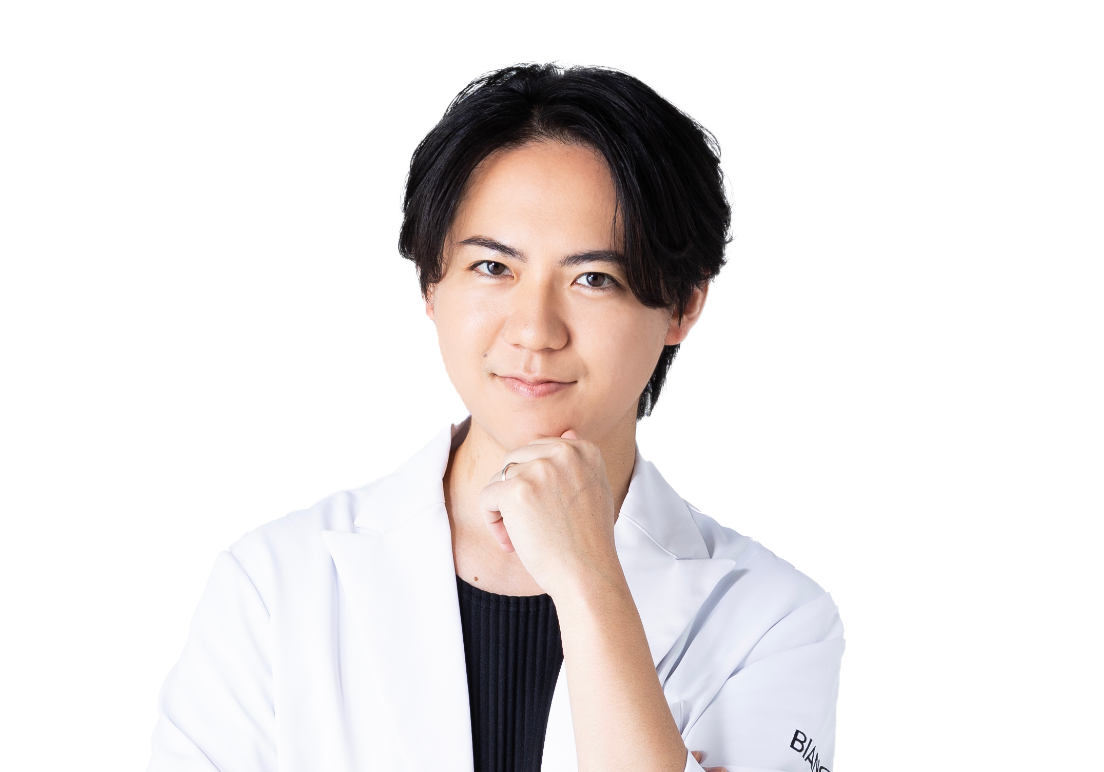
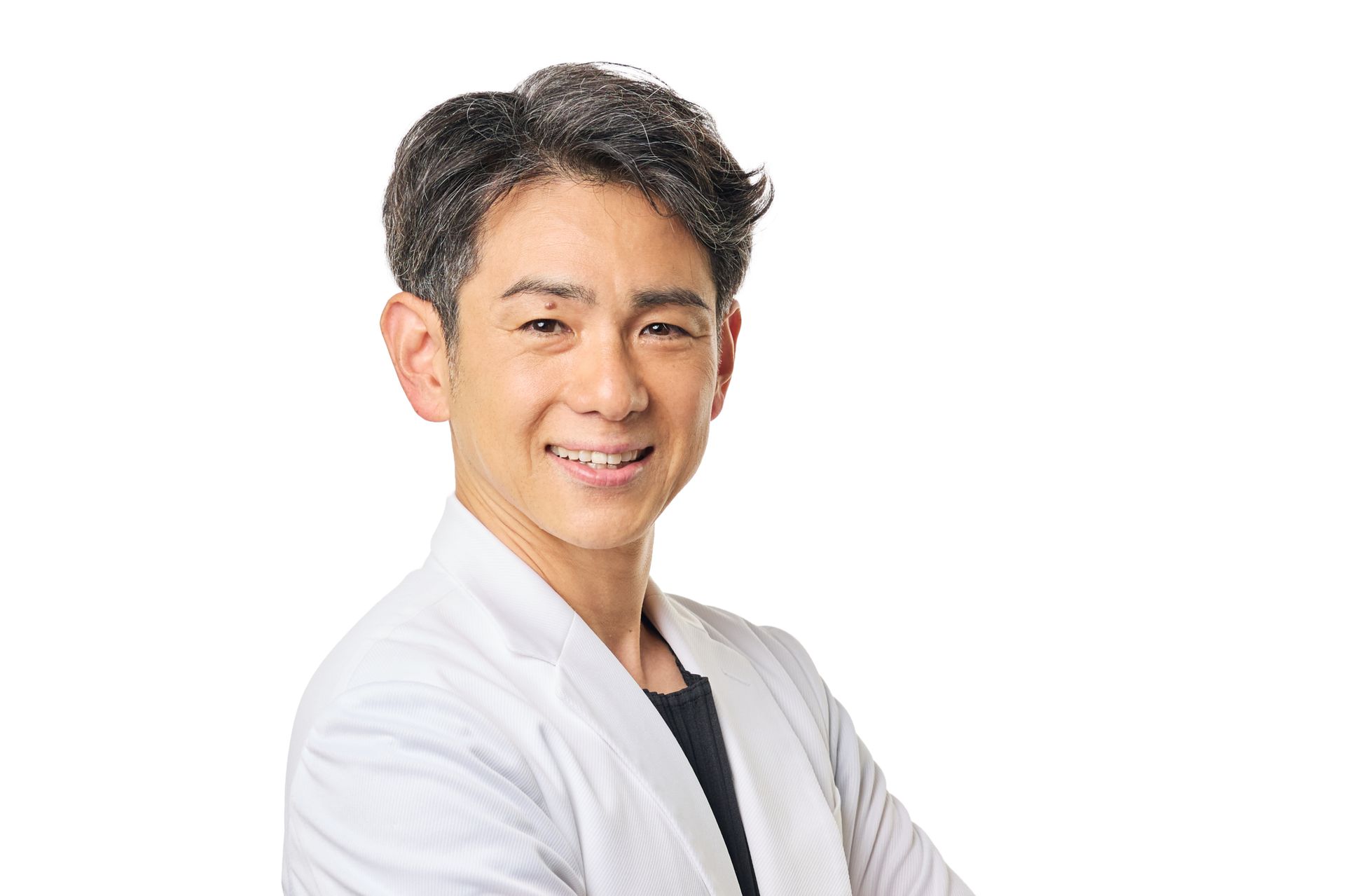
Engaged in both aspects of cosmetic dermatology and cosmetic surgery, he is an all-rounder doctor who pursues natural and elegant beauty with "the best interest of the patient" as his first priority. He is also a board-certified cosmetic surgeon by the Japanese Society of Aesthetic Plastic Surgery (JSAS). He specializes in hyaluronic acid injections, thread lifts, and facial surgery, and is a competent KOL (Key Opinion Leader) for ARTEMISLIFT and Hydro Rejuran. He is always sensitive to the latest trends and is always exploring knowledge and techniques.

Forehead lifts for people in their 20s have become a topic of growing interest in cosmetic surgery in recent years, with the aim of enhancing facial brightness, making subtle adjustments to eyebrow position, and improving the silhouette from the forehead to the upper eyelids.
With the spread of social media, people have more opportunities to see “before and after” photos, and an increasing number of people are becoming conscious of preventing the signs of aging and managing their appearance from an early stage.
However, since people in their 20s have highly elastic skin and connective tissue and there is significant individual variation, it is important for cosmetic surgeons to carefully assess the “necessity,” “suitability,” and “future implications” of any procedure.
This article covers forehead lifts for people in their 20s—including options, suitability, surgical procedures, recovery time, costs, and perspectives unique to cosmetic surgery—and provides a decision-making framework that will help even first-time patients make an informed choice without hesitation.
[Doctor’s Point]
People in their 20s who are considering a forehead lift sometimes ask, “Is it better to have the surgery while I’m still young?”
What matters most to me is not a person’s age, but whether the treatment is truly necessary for that individual.
Since many people in their 20s still have good skin and tissue elasticity, it is not uncommon for non-surgical methods—such as Botox, hyaluronic acid, and eyebrow shaping—to be sufficient for achieving significant improvement.
On the other hand, for people who were born with low-set eyebrows or who frequently use their frontalis muscles, leading to wrinkles on their foreheads, a forehead lift can sometimes provide a fundamental solution.
For this reason, rather than deciding whether or not to undergo surgery simply because you’re in your 20s, we believe it’s important to examine your entire face and propose a treatment plan that takes your future into account.
The Basics of Forehead Lifts Performed at Cosmetic Surgery Clinics
A forehead lift is a procedure that repositions the soft tissues from the forehead to the eyebrows and upper eyelids upward or diagonally upward.
Surgical procedures that target the frontalis muscle, the galea aponeurotica, and the subperiosteal layer are common and help improve wrinkles between the eyebrows and on the forehead, drooping eyebrows, and a heavy, sagging appearance of the upper eyelids.
In their 20s, people tend to focus more on “slightly adjusting the position of the eyebrows,” “making the eyes appear more open,” and “achieving a fresh, vibrant expression” rather than on deep wrinkles; cosmetic surgery clinics tailor treatments individually to balance invasiveness and effectiveness.
Signs That You're Ready in Your 20s (From a Cosmetic Surgery Perspective)
- My eyebrows are naturally positioned a bit low, and because I’m constantly using my frontalis muscle to raise them, expression lines tend to form on my forehead.
- The skin of the upper eyelid appears to hang over slightly, but not enough to require skin excision.
- Your eyes can easily appear sharp, but lifting the outer corners of your eyebrows by a few millimeters will create a more balanced look.
- I would like to optimize the overall position of my forehead and eyebrows—something that is difficult to achieve with Botox or thread lifts.
These are just a few examples; the final decision will be based on a physical examination, an assessment of facial expressions, and photographic analysis (front view, oblique view, and side view) at a cosmetic surgery clinic.
Key Points in Anatomy and Design
In forehead lifts for patients in their 20s, the basic strategy in cosmetic surgery is to assess the extent of adhesion between the supporting ligaments (such as the superior temporal septum) and the fascia, and to aim for maximum results with the minimum necessary dissection.
On the inner side, the key factor is determining whether the corrugator supercilii and procerus muscles—which cause frown lines—can be treated; on the outer side, the design of the fixation line in the temporal region is crucial.
To minimize the risk of a receding hairline and avoid visible scarring, the incision location and direction of tension are adjusted in increments of a few millimeters.
Major Surgical Procedures Available for People in Their 20s (Cosmetic Surgery)
Endoscopic Forehead Lift
A technique in which an endoscope is used to secure a field of view through several small incisions, followed by subperiosteal release and fixation.
One advantage is that scars are less noticeable in your 20s, and the downtime is relatively short. It allows for subtle adjustments to the upward curve of the outer eyebrow tail, making it a highly satisfying option in cosmetic surgery.
Coronal Incision (Extensive Incision)
While extensive skin peeling provides a strong lifting effect, it also increases the risk of scarring and changes in sensation. For people in their 20s, the procedure is recommended only in limited cases and is suggested by plastic surgeons only when there is a clear medical necessity.
Hairline Incision
An incision is made along the hairline. Whether this procedure is appropriate for patients in their 20s depends on their facial balance; cosmetic surgeons make a careful assessment, taking into account potential future changes to the hairline.
Alternative and Complementary Options
These include Botox (for the frontalis and glabellar muscles) to reduce expression lines, thread lifts to lift the outer corners of the eyebrows, and hyaluronic acid injections to create a rounded forehead. While the effects are temporary, these procedures are sometimes recommended by cosmetic surgeons in their 20s as a “trial.”
Pros and Cons (The Reality of Being in Your 20s)
Benefits:It makes your eyes appear more open, resulting in clearer photos and a sharper first impression. It may help prevent expression lines and potentially slow the progression of signs of aging in the future.
Disadvantages:Excessive lifting may result in an unnatural appearance, and improper positioning can cause asymmetry. There are also general risks commonly explained by cosmetic surgeons, such as changes in sensation, discomfort in the scalp, and temporary hair loss (shock loss).
Estimated Downtime and Recovery Period (Cosmetic Surgery Standards)
Swelling and bruising typically last 1 to 2 weeks, and the sutures are removed after about 10 to 14 days. Avoid exercise for about 2 weeks, and refrain from scalp massages and hot saunas for about 1 month.
While people in their 20s tend to recover quickly, avoiding a forward-leaning posture and carrying heavy loads—which place strain on the surgical site—will help you recover more quickly from a cosmetic surgery perspective.
How to Conduct a Consultation (Points to Confirm at a Cosmetic Surgery Clinic)
- Defining the Goal: By how many millimeters and in which direction do you want to move the outer and inner ends of your eyebrows?
- Verifying Reproducibility: Sharing the concept through temporary taping or simulation.
- Explanation of Scarring and Sensory Changes: Rationale for Incision Site Selection and Long-Term Outcomes.
- Designing Combination Therapy: Maintenance Strategies Using Botox and Skincare.
These are essential for reaching a consensus in the field of cosmetic surgery. Decisions are made not only through verbal explanations but also by referring to “Before & After” photos and design sketches.
How to Interpret "Before & After" Images and Manage Expectations
The key to the "Before & After" comparison is to evaluate the direction and extent of the lift, the differences between the outer and inner corners of the eyebrows, the correction of upper eyelid drooping, and the curve of the forehead in three dimensions.
Since lighting, angle, makeup, and hairstyle can all change your appearance, be sure to review photos taken from multiple angles as well as those that show your natural look.
In your 20s, even “a difference of just a few millimeters” can significantly alter your appearance, so avoiding drastic changes increases the success rate of cosmetic surgery.
Understanding Costs (How to Read Cosmetic Surgery Estimates)
The total cost includes consultation fees, anesthesia, surgery, fixation materials, medication, and postoperative follow-up. Costs may vary depending on the type of endoscopic equipment and fixation devices used.
When comparing cosmetic surgery clinics, warranties and touch-up policies are also important factors to consider. Be sure to review the itemized breakdown of each item on the estimate and clarify any questions you have on the spot.
Criteria for Choosing a Clinic (Cosmetic Surgery Protocol)
- Area of Expertise: Number of forehead lift procedures performed, variations in fixation techniques, and protocols for managing complications.
- Disclosure: Rationale for the choice of incision site, fixation direction, and specifics regarding the expected downtime.
- Presentation of Materials: Consistency in the number, angles, and lighting of the "Before & After" images.
- Aftercare: Standard procedures for managing swelling, bruising, and changes in sensation; communication protocols.
When evaluating cosmetic surgery, the key factor is whether the procedure can achieve the desired lift with minimal intervention while prioritizing a natural look. For patients in their 20s in particular, a conservative approach that takes future changes into account is recommended.
The Long-Term Perspective and Lifestyle Unique to People in Their 20s
Hairstyles, bangs, and forehead skincare routines (UV protection and moisturizing) are also key factors that contribute to the final result after surgery.
In one’s 20s, sebum production can be particularly active, so gentle cleansing and UV protection are effective for scar management. By following up with a cosmetic surgeon every few months as directed, you can expect the tissue to stabilize and the texture of the scar to improve.
Self-Assessment and Counseling Preparation Worksheet
- What concerns me is where exactly—the inner corner, the middle, or the outer corner of the eyebrow (which angle stands out to you in the photo?)
- Please provide three reference photos showing the ideal look (natural light, front view, 45-degree angle, and side view).
- Acceptable downtime (work, school, events).
- Past history of Botox treatments, skincare products, and allergies.
If you organize this information before your visit, the evaluation at the cosmetic surgery clinic will go more smoothly, and the design of a forehead lift tailored to patients in their 20s will be more precise.
Frequently Asked Questions (Sample Answers from a Cosmetic Surgery Clinic)
Q. Isn't a forehead lift too early even in your 20s?
A. This procedure may be appropriate if the goal is to make minor adjustments to the natural facial structure or to prevent expression lines. An individual evaluation at a cosmetic surgery clinic is required.
Q. How long will it last?
A. Results vary depending on anatomy, fixation methods, and lifestyle habits. In people in their 20s, the tissues are strong, so long-term stability can be expected with proper fixation and care.
Q. When can I expect to return to work?
A. For desk work, allow about 1 to 2 weeks. For interacting with the public or exercising, it is recommended to resume activities gradually after 2 to 4 weeks (general guidelines for cosmetic surgery).
Q. Will the scar be noticeable?
A. The outcome depends on the incision site, the patient’s physical constitution, and postoperative care. Although the endoscopic method offers advantages, the choice of surgical technique at the cosmetic surgery clinic is crucial.
Q. Where should I look for the "Before & After" section?
A. Check the angle of the outer edge of the eyebrow, the crease of the upper eyelid, the curve of the forehead, facial movements, and consistency across multiple angles.
For forehead lifts in patients in their 20s, the key to success lies in achieving “the greatest natural look with the least possible intervention.”
An endoscope-centered, minimally invasive design; fixation angles designed with future changes in mind; precise adjustments in millimeters; and meticulous aftercare—all of these depend on the comprehensive capabilities of a cosmetic surgery practice.
Let’s take a multifaceted look at the “before and after” results, define a clear goal that suits your facial features, and develop concrete risk management and recovery plans.
If you're unsure, we recommend starting with a consultation at a cosmetic surgery clinic to compare your suitability for the procedure and alternative options (Botox, thread lifts, and skincare), and then taking the first step after going through a process that leaves you fully satisfied.
A forehead lift in your 20s can lead to natural, positive changes—provided you have the right information and the support of a qualified cosmetic surgeon.
Summary
For people in their 20s, a forehead lift is sometimes chosen not so much as an anti-aging treatment, but rather to correct the balance of their natural bone structure, eyebrow position, and facial expressions.
On the other hand, not everyone needs surgery; in some cases, non-surgical treatments such as Botox or hyaluronic acid may be more appropriate. The key is to choose a treatment method that takes into account not only your current concerns but also future changes.
To achieve results you’ll be satisfied with, it’s important to undergo a thorough consultation and work with your plastic surgeon to determine the treatment that’s truly right for you—this will lead to a natural-looking and highly satisfying outcome.