column (e.g. in newspaper)
2026.07.16
Longevity Guided by Cosmetic Internal Medicine: Nutritional Life Hacks to Design a “Long Life” Through Orthomolecular Medicine, Hormones, and Vitamins
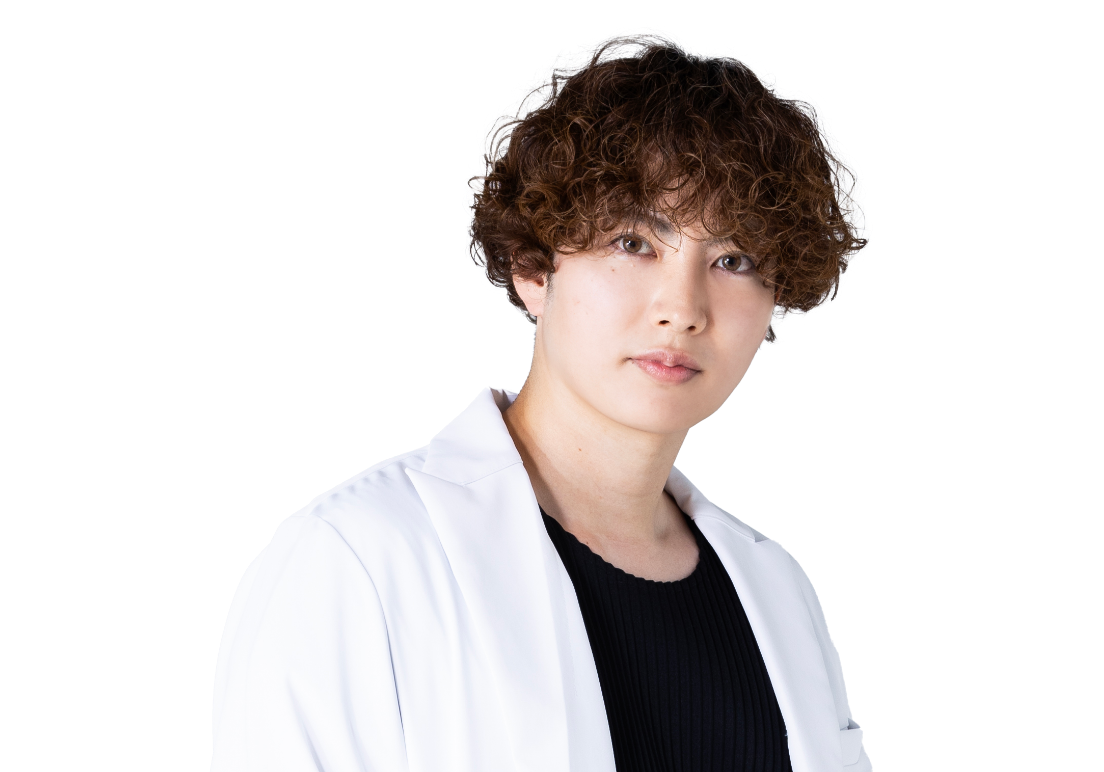
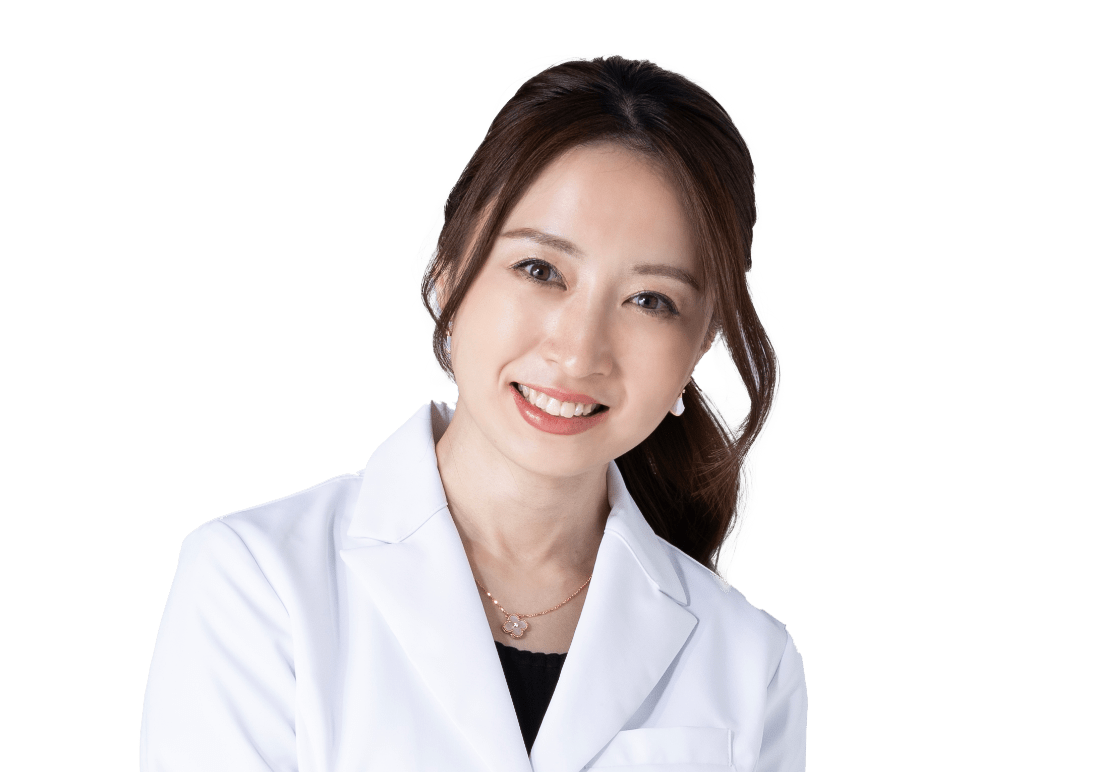
Driven by the belief of “bringing happiness to more people,” I pursued a career in aesthetic medicine after gaining experience in general internal medicine and emergency surgery, along with overseas training. As an internationally oriented doctor holding a UN English Proficiency Test Special Grade A, I treat a diverse range of patients. My goal is to become a true all-rounder, spanning cosmetic surgery, cosmetic medicine, and cosmetic dermatology. With a deep understanding of global beauty standards, I serve as a Key Opinion Leader (KOL) for TargetCool, NEAUVIA®, and CORETOX®. Known for my gentle manner, I provide accessible consultations in both Japanese and English. I pursue aesthetic medicine that transforms not just appearance, but also enhances overall happiness.

Even if your health checkup shows “no abnormalities,” do you find yourself feeling more easily fatigued than before, struggling to restore your skin’s natural glow, or having trouble maintaining concentration? When you’re caught up in work and raising children in Tokyo, with a constant stream of meetings and dinners in Ginza, your internal balance can gradually become disrupted—even if you think your life is well-organized. That’s exactly when the perspective of aesthetic medicine comes in handy. Before considering treatments like Botox at a cosmetic surgery or dermatology clinic, establishing a solid foundation of nutrition and hormonal balance is often the fastest route to sustainable beauty, health, and longevity—living a long and healthy life. Even for those considering surgical options such as liposuction or breast augmentation, preparing from the inside out can lead to a smoother recovery and greater satisfaction.”
Modern medicine has traditionally focused on “treating illness after it has developed.” In Japan, the concept of preventive medicine is still in its early stages; while health checkups function as a system for detecting diseases, they cannot measure the “optimal state” that differs between people in their 20s and those in their 50s. “I’m not sick, but something just doesn’t feel right.” Aesthetic Internal Medicine is the study and practice of supporting people in this gray zone by optimizing nutrition from the perspectives of orthomolecular medicine (molecular nutrition), hormones, and vitamins, thereby extending the “quality of life”—or healthspan. I’ll discuss ways to achieve both longevity and beauty, incorporating practical life hacks you can start using today.
In this article, we’ve summarized the key points you should know before your consultation—from the definition of aesthetic medicine to the basics of orthomolecular medicine, hormones, and vitamins; nutrition life hacks tailored to urban living; how to choose a clinic in Ginza, Tokyo; how to interpret “Before & After” photos; and collaboration with cosmetic surgery and cosmetic dermatology (such as Botox, liposuction, and breast augmentation). We’ll explain even the most technical concepts in simple terms so you can put them into practice right away.
What Is Cosmetic Internal Medicine?—How Is It Different from a Health Checkup?
Aesthetic medicine is a medical field that comprehensively designs nutrition (macro- and micronutrients), hormones, vitamins, and daily routines to simultaneously enhance youthful appearance and physical function. Conventional health checkups use nearly identical test items across all age groups, with the goal of identifying “people with illnesses” whose results fall outside the standard reference ranges. In contrast, aesthetic internal medicine interprets the same data through a different lens, seeking the “optimal values for living a better life” tailored to a person’s age, lifestyle, and goals.
For example, we carefully analyze nutritional indicators such as ferritin (iron stores), zinc, vitamin D, B vitamins, omega-3 fatty acids, and fasting insulin levels, and connect them to everyday concerns such as dry skin, sleep quality, sensitivity to cold, swelling, and difficulty concentrating. It’s only natural that what constitutes “just right” varies between people in their 20s and those in their 50s. The approach of cosmetic internal medicine is not just to assess the presence or absence of disease, but to work with you to chart a course for how you want to be today, six months from now, and a year from now.
Furthermore, aesthetic medicine does not rule out surgical treatments. In Tokyo and Ginza, there are many facilities that combine cosmetic surgery and cosmetic dermatology. The approach here is to address the underlying foundation—nutrition and hormones—while offering options such as injectable treatments like Botox, liposuction, and breast augmentation. We believe that internal care—which supports basic physical strength and the body’s ability to recover—is particularly valuable to those with busy schedules, regardless of whether they undergo any procedures.
The “reference ranges” for health checkups are derived from population statistics. In other words, they serve as a benchmark for determining whether your results fall within the average range for the general population—they do not guarantee your personal best performance. It’s only natural that the appropriate levels of iron and vitamin D, as well as the ideal amount of sleep, differ between your 20s and your 50s. Cosmetic Internal Medicine carefully bridges the gap between this “normal” and “your optimal” state.
Understanding Nutritional Status, Skin, and Overall Health Through Orthomolecular Medicine
Orthomolecular medicine is an approach that enables cells to function as they are meant to by ensuring the body has optimal levels of molecules (nutrients). This may sound like complicated theory, but essentially, it’s an approach that involves “identifying deficiencies and supplementing them as needed.” Deficiencies in protein, iron, zinc, vitamins C, B complex, and D, magnesium, and high-quality fats can manifest as dry skin, nail and hair problems, evening fatigue, and strong cravings for sweets.
Optimizing your nutrition can also affect your response to and satisfaction with skincare treatments, laser treatments, Botox, and other procedures at a cosmetic dermatology clinic. For example, if you’re deficient in protein and vitamin C, collagen synthesis tends to slow down. Conversely, when your gut health and blood sugar levels are in balance, skin redness and puffiness subside, bringing you closer to a daily routine where you don’t have to rely so heavily on foundation. Of course, there are individual differences, and the pace of change and how you experience it vary from person to person.
Our actual approach focuses on tracking meals, monitoring sleep and activity levels, and adjusting blood tests and supplements as needed. We do not recommend excessive restrictions or extreme fasting; instead, we strive to create a realistic plan that even those with frequent workplace lunches or social dinners can maintain. Numbers aren’t simply “good” or “bad”—they’re a roadmap pointing the way to the next step. Over a medium-term period of six months to a year, we help you build stability in your physical condition, skin, and mood.
Your gut health is also something you shouldn’t overlook. Gas, bloating, alternating constipation and diarrhea, and feeling sleepy right after eating—these signs can indicate poor nutrient absorption or intestinal inflammation. For some people, simply adding water-soluble dietary fiber, fermented foods, high-quality oils, and the habit of chewing thoroughly can make a noticeable difference in how they feel. Start with the bare minimum of supplements and prioritize building a solid foundation through diet and sleep.
The Relationship Between Hormonal Balance and Longevity
Hormones act as messengers within the body. Thyroid hormones regulate metabolism, cortisol helps the body respond to stress, and sex hormones influence muscle strength, bone health, and skin elasticity. Aging, stress, lack of sleep, and extreme dieting can disrupt this delicate balance. In cosmetic internal medicine, we begin by adjusting the timing of sleep, light exposure, meals, and exercise, based on your daily rhythm and blood test results. If necessary, the doctor will evaluate the appropriateness of hormone replacement therapy while prioritizing safety; however, the method and dosage vary from person to person.
Once your hormones stabilize, your energy levels throughout the day become more consistent, your cravings for sweets decrease, and you’ll find it easier to see the results of your strength training. These factors form the foundation of longevity and have a positive ripple effect on your appearance. Whether or not you choose to undergo cosmetic surgery or dermatological treatments, laying this foundation is never a waste of time.
Starting in one’s 40s, the changes associated with what is commonly known as perimenopause and menopause begin. In women, fluctuations in estrogen and progesterone, and in men, age-related declines in testosterone, can affect sleep quality, body composition, and skin dryness. We take a holistic approach, combining diet, exercise, sleep, and supplementation as needed—not just based on blood test results, but by cross-referencing them with daily logs and personal observations.
Vitamins × Mitochondria: Key Points for Building a Body Resistant to Fatigue
The energy that powers our bodies is produced in the mitochondria of our cells. This process requires B vitamins, iron, magnesium, and substances that act like coenzymes. Eating plenty of protein and B vitamins in the morning, taking frequent walks throughout the day to maintain blood flow, and dimming the lights in the evening to avoid disrupting your melatonin rhythm—these small, consistent habits help build a body that resists fatigue and lay the foundation for a long life.
Even on days when it’s hard to get in a special workout, being mindful of NEAT (Non-Exercise Activity Thermogenesis)—such as taking the stairs instead of the elevator, walking one stop, or standing up frequently—can help support your metabolism. Intensive smartphone use before bed and high-sugar meals late at night can easily disrupt the mitochondrial rhythm, so switching to a warm herbal tea or reading before bed is a good idea.
How to Make the Most of Test Results: Determining the “Optimal Range” Together
Testing is not the end goal—it’s just the starting point. In aesthetic medicine, even with the same blood test results, we identify “zones where you’re prone to feeling unwell even though you aren’t sick” and work with you to find the optimal range for your lifestyle. For example, even if your fasting blood sugar and HbA1c are within normal ranges, if you experience severe drowsiness or irritability after meals, it’s worth reevaluating the order in which you eat your meals and the quality of your snacks. We also do not evaluate lipid profiles—such as triglycerides, HDL, and LDL—in isolation; instead, we consider them in conjunction with your diet, exercise levels, and the status of your thyroid and male and female hormones.
Inflammation markers (such as CRP), iron-related markers (ferritin, transferrin saturation), vitamin D, B12, folate, zinc, magnesium, albumin, uric acid, thyroid-stimulating hormone (TSH), and free T4/T3 levels can also be useful. If these terms seem daunting, think of them as a map to visualize “what your body is made of right now.” It’s important that the explanation makes sense to you and that the recommendations are sustainable.
Options and Differences in Functions by Concern (Botox / Liposuction / Breast Augmentation / Skin Treatments)
Instead of asking, “Which one is best?” let’s think about which option best suits your specific concerns and lifestyle. If your main concern is expression lines, Botox is a good option. If you’re concerned about your facial contours or localized fat, liposuction is an option; if your primary concern is breast volume or asymmetry, breast augmentation is an option. Cosmetic dermatology focuses on improving pores, uneven skin tone, and skin texture, while cosmetic internal medicine addresses overall fatigue, feeling sluggish upon waking, improving the condition of your skin and hair, and promoting long-term health. There’s no question of one being better than the other—they simply serve different purposes. You should consult with your doctor to determine the best order and timing for combining these treatments.
Tips for Coping with the Stress of City Life
In urban areas like Tokyo and Ginza, the sheer volume of travel and information can be stressful in itself, often causing the sympathetic nervous system to become dominant. On days with back-to-back afternoon meetings or business negotiations, cut back on caffeine in the evening, walk at a slightly slower pace, and switch to warm-toned lighting when you get home. For some people, simply taking a 10-minute detour for a walk on the way home from work can improve the quality of their sleep. These small adjustments are easy to incorporate before and after visits to cosmetic surgery or dermatology clinics and can help smooth out fluctuations in your physical condition.
Collaboration Between Cosmetic Surgery, Cosmetic Dermatology, and Cosmetic Internal Medicine (Botox, Liposuction, Breast Augmentation)
For example, people who are concerned about expression lines may consider Botox. If you suffer from sleep deprivation, iron or vitamin deficiencies, chronic shoulder stiffness, or severe teeth grinding, you may find it difficult to relax, which can affect the final results. While addressing lifestyle and nutritional balance through cosmetic internal medicine can lay the groundwork for greater satisfaction with Botox, individual experiences may vary.
The same applies when considering surgical procedures such as liposuction or breast augmentation. Your nutritional status prior to surgery, inflammation management, and the stabilization of anemia and blood sugar levels all affect how you experience the downtime and the course of your recovery. By having your internal health assessed at a cosmetic medicine clinic in conjunction with your cosmetic surgery consultation, it becomes easier to plan your lifestyle (diet, sleep, and light exercise) following procedures such as liposuction or breast augmentation. With careful preparation and aftercare tailored to your individual needs, it’s possible to incorporate these measures into even the busiest Tokyo lifestyle.
This same line of thinking is also helpful when choosing treatments at a cosmetic dermatology clinic aimed at improving skin texture or addressing enlarged pores. Excessive carbohydrate intake, lack of sleep, and deficiencies in vitamins A and D, iron, and excessive stress can all contribute to redness, dullness, and acne flare-ups. By incorporating nutritional and hormonal perspectives at a cosmetic internal medicine clinic, treatment plans at cosmetic dermatology clinics can be more easily tailored to an individual’s physical condition.
Key Considerations When Choosing a Cosmetic Internal Medicine Clinic in Ginza, Tokyo
In the Ginza area of Tokyo, the number of clinics advertising “aesthetic internal medicine” has been gradually increasing. When choosing one, be sure to check not only the types of tests offered but also whether the clinic explains “how to interpret the results and incorporate them into your daily life.” If the clinic also has a cosmetic surgery or cosmetic dermatology department, consider whether there is collaboration between departments and whether you can consult with them on a comprehensive treatment plan that includes procedures such as Botox, liposuction, and breast augmentation.
- Rather than the number of tests, it’s the “clarity of the explanations” regarding nutrition, hormones, and vitamins
- Can you help me decide the order of priority for diet, sleep, exercise, and supplements?
- Coordination with plastic surgery and cosmetic dermatology practices, and consistency in treatment plans—including Botox, liposuction, and breast augmentation
- Does the presentation of the "Before & After" images come across as sincere, and does it take individual differences into account?
- Does the system—including the frequency of visits to clinics in Ginza, Tokyo, and the use of online services—fit your lifestyle?
If you consider not just the price, but also the quality of communication, the transparency of explanations, and how well the plan fits into your daily life, what may seem like a detour will actually turn out to be the fastest route. It’s best to start with modest changes and make adjustments over the course of a few weeks to a few months while seeing how things go.
Convenience—such as office hours, weekend appointments, online consultation options, and follow-up support via email or chat—is also key to staying consistent with treatment. While Ginza, Tokyo, is easily accessible, a long commute can hinder your ability to stick with treatment. Be sure to check whether the clinic is willing to work with you to create a treatment plan that fits your schedule without causing undue hardship.
How to Interpret "Before & After" Images and Points to Note
"Before & After" photos from cosmetic surgery and cosmetic dermatology clinics can be helpful, but the impression they give can vary depending on lighting, angles, makeup, weight fluctuations, and when the photos were taken. The same applies to “Before & After” photos for Botox, liposuction, and breast augmentation. Rather than expecting “exactly the same results,” it’s more realistic to find “Before & After” photos of people whose age, body type, and lifestyle are similar to yours, and use them as a basis for discussing your goals with your doctor.
Furthermore, changes in your appearance are only one aspect of the picture. In many cases, measurable data and your day-to-day experience—such as skin clarity, sleep quality, daytime concentration, and relief from PMS and sensitivity to cold—are even more important. At our cosmetic medicine clinic, we take a holistic approach, focusing equally on both physical appearance and overall health.
Another important factor is the time frame. The appearance of “Before & After” photos will vary depending on whether they were taken immediately after the procedure or several weeks or months later. Be sure to check whether the photos were taken after the swelling had subsided and whether the conditions for skincare and makeup were consistent.
Notes to Prepare Before Your Appointment
To make your first consultation as productive as possible, it will help if you write down the following information and bring it with you.
- Daily Routine Over the Past 3 Months (Bedtime and Wake-up Time, Whether You Take Naps, Differences from Weekends)
- Photos and records of your daily meals (proportion of meals eaten out, takeout, and home-cooked meals; amount of alcohol consumed)
- List of Medical History, Prescription Medications, and Supplements (Including Dosages and Start Dates)
- For women: menstrual cycles and changes in symptoms; for men: how they feel upon waking up and changes in their energy levels
- Logs of steps, heart rate, body temperature, and weight (if you have a smartwatch or similar device)
- Cosmetic Surgery and Dermatology Appointments (Botox, Liposuction, Breast Augmentation, etc.)
Daily Care to Minimize Downtime
How you spend your downtime affects your overall experience. If you’re planning to undergo liposuction or breast augmentation at a cosmetic surgery clinic, aim to focus on protein, vitamin C, iron, zinc, and omega-3 fatty acids for about 2 to 4 weeks before the procedure, and make sure to stay adequately hydrated, maintain a balanced salt intake, and get enough sleep. Even on the day of a Botox or cosmetic dermatology procedure, simply avoiding heavy drinking or lack of sleep the night before can make a noticeable difference in the results. Results and recovery times vary from person to person, so please follow your doctor’s instructions.
After surgery, avoid rushing to increase your exercise or overheating yourself in saunas or long baths; instead, take it slowly, adjusting to your stage of recovery. Since the extent of pain, swelling, and bruising varies from person to person, the basics are walking at a comfortable pace, getting plenty of sleep, and eating a balanced diet. Prioritize taking “small steps” that you can manage even with a busy schedule in Tokyo.
Who This Is For / Who Should Consider It Carefully
- Ideal for: People who have no abnormalities shown in their health checkups but continue to feel unwell / People living a busy life in Tokyo who want to prioritize self-care / People with upcoming appointments at cosmetic surgery or cosmetic dermatology clinics who want to systematically prepare for and recover from procedures such as Botox, liposuction, or breast augmentation.
- People who should consider this carefully: Those who are only looking for dramatic changes in a short period of time; those who cannot spare any time at all to adjust their diet or sleep habits; and those who frequently use supplements or alternative therapies that differ from their doctor’s instructions.
Longevity Life Hacks You Can Start Today (Nutrition × Lifestyle)
- Morning: Get some sunlight within an hour of waking up, and eat a breakfast containing 20–30 grams of protein and B vitamins. Have your coffee after breakfast.
- Lunch: Even when having lunch in Tokyo’s Ginza district, where business meals are common, I try to go a little easier on the staple foods and make a point of including meat, fish, eggs, and soy products.
- Evening: Finish eating 2 to 3 hours before bedtime, take a lukewarm bath for 15 minutes, and dim the screen slightly.
- Weekly: Light strength training and aerobic exercise 2–3 times a week. Since iron, ferritin, and vitamin D are prone to deficiency depending on the season, get them checked regularly.
- Guidance: Under a doctor’s supervision, start with only the necessary nutrients for a short period. Avoid excessive fasting or extreme carbohydrate restriction.
- Snacks: For your 3:00 p.m. snack, choose foods that help stabilize blood sugar, such as fruit, nuts, or hard-boiled eggs.
- Alcohol: On days you drink, consume protein, water, and electrolytes first. Heavy drinking leads to lighter sleep.
- Staples: Keep canned fish, frozen vegetables, beans, and Greek yogurt on hand so you can put together a meal in 10 minutes after getting home.
- Business Trips and Travel: Drink water frequently while on the plane. After arriving, adjust to the time difference by getting some sunlight and taking a walk.
- On days with low pressure: Balance your autonomic nervous system by consuming a little more salt and water and taking a lukewarm bath.
An Example of How to Proceed with Treatment (Initial Visit to 3 Months to 6 Months)
- First Session: Aligning Goals, Blood Draw, Prioritizing Diet, Sleep, and Exercise
- 1 month: Reviewing food logs, checking how the body is responding to supplements, and scheduling Botox and cosmetic dermatology appointments
- 2–3 months: Follow-up blood tests, fine-tuning exercise and sleep routines, and preoperative preparations if cosmetic surgery is planned
- 4–6 months: Transition to the maintenance phase. Review your aftercare plan for liposuction or breast augmentation and adjust your lifestyle accordingly.
Important Considerations and Risks
Since aesthetic medicine treatments involve lifestyle changes, they can be stressful for those expecting significant results in a short period of time. Additionally, when it comes to supplements and hormone replacement therapy, it is important to consider your body type, medical history, and potential interactions with other medications. The way you experience the effects, as well as any pain, downtime, and duration of results, varies from person to person, and not everyone will achieve the same outcomes. Please do not hesitate to discuss any questions or concerns with your doctor.
FAQ
How does aesthetic medicine differ from a general health checkup?
Unlike general health screenings, which focus on detecting diseases, cosmetic internal medicine aims for “optimization.” It adapts the interpretation of health indicators based on age, lifestyle, and individual goals, and designs treatment plans centered on nutrition, hormones, and vitamins.
How long does it take to notice a change?
Results may vary depending on individual constitution and lifestyle. For some, it may take as little as a few weeks, but generally, it takes 3 to 6 months to achieve a stable foundation. If you plan to combine this treatment with procedures at a cosmetic surgery or cosmetic dermatology clinic, please coordinate the timing with your doctor.
Are supplements necessary?
While supplements can sometimes be effective in addressing deficiencies, the first step is to establish a healthy diet and sleep routine. The specific types and amounts needed are determined on an individual basis based on test results and a medical interview.
What is the recommended order for Botox, liposuction, breast augmentation, and cosmetic medicine?
This depends on your goals and schedule. Generally, you should first visit a cosmetic internal medicine clinic to establish a solid foundation for your nutrition and hormone balance, and schedule Botox treatments for times when they will cause minimal disruption to your daily life. Before and after liposuction or breast augmentation, you should develop a plan for your diet and sleep with recovery in mind. In all cases, be sure to consult with your doctor regarding the timing and specifics of these procedures.
How often should you visit Ginza in Tokyo?
In the early stages, we recommend check-ins every 2 to 3 months; once things have settled down, a review once every six months may be sufficient. To accommodate the pace of life in Tokyo and Ginza, you can also choose to communicate online or by phone.
Summary
Not ignoring that feeling of “I’m not sick, but something just isn’t right” brings you closer to balancing your appearance and health. Aesthetic internal medicine—which optimizes nutrition from an orthomolecular perspective and harnesses the power of hormones and vitamins—is a toolkit for realistically designing a path to longevity. Build up a collection of small lifestyle hacks that you can maintain even while living in Ginza, Tokyo, and draw on the expertise of cosmetic surgery and cosmetic dermatology as needed. Let’s move forward at a pace that suits you, while harmonizing these approaches with options such as Botox, liposuction, and breast augmentation. If you’d like to find out if this approach is right for you, please feel free to schedule a consultation.