column (e.g. in newspaper)
2026.08.25
What Causes Hair Loss? A Doctor Explains the Causes of Thinning Hair, Including AGA, Genetics, Stress, and Lifestyle Factors
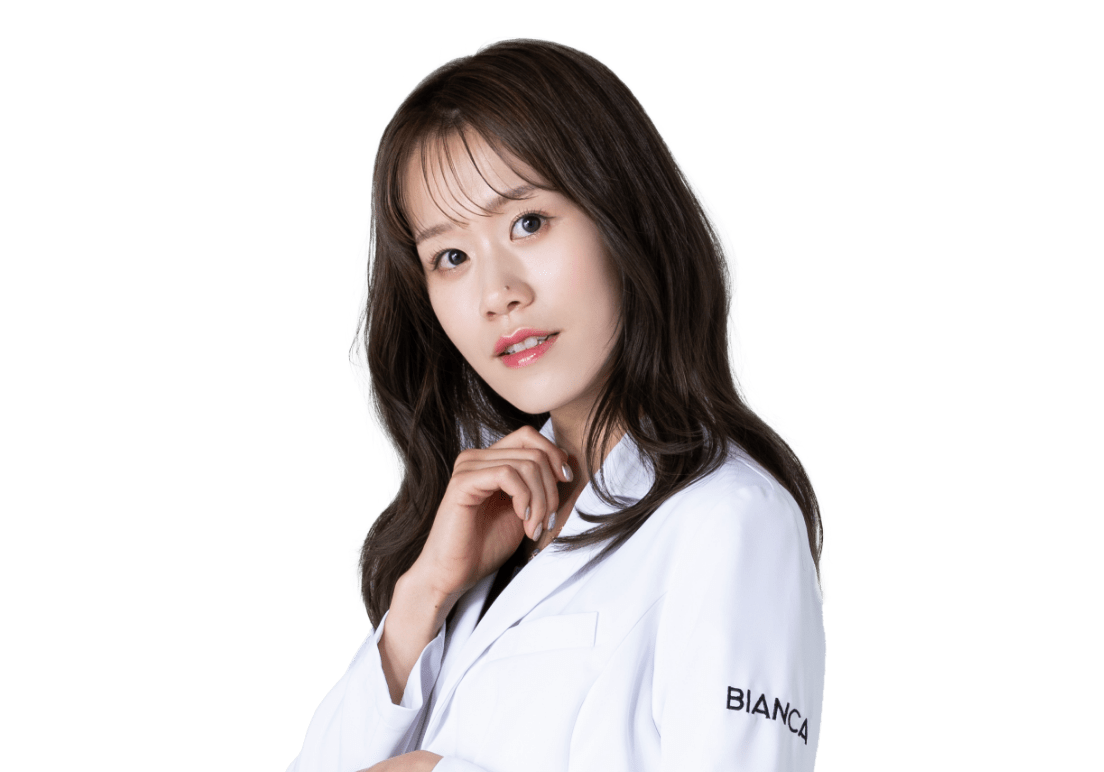
My journey into aesthetic medicine stems from a desire to help enrich and beautify lives beyond simply treating illness. My specialties include hyaluronic acid, Botox, and thread lifts. I provide treatments that enhance each individual's unique qualities and bring out an elegant, natural beauty. For concerns around the eyes that are difficult to improve with dermatology alone, I also perform surgical procedures. By integrating dermatology and surgery, I holistically balance the entire face. With three periods of overseas study, I am also able to provide consultations in English.

"Lately, my bangs seem thinner." "I've suddenly been losing more hair." Once you notice it, every day feels a little unsettling, doesn't it?
In fact, there isn’t just one cause of hair loss. It’s important to consider a wide range of factors—not just AGA (androgenetic alopecia), which is common in men, but also stress, nutrition, hormonal balance, thyroid disorders, postpartum changes, and medications.
While many people visit clinics in Tokyo or Ginza, the first step is to find out what measures are appropriate for the underlying cause.
When choosing a clinic, collaboration between cosmetic dermatology, cosmetic internal medicine, and cosmetic surgery can be helpful in some cases, and it’s also important to consider scheduling in conjunction with other cosmetic procedures, such as Botox.
Here, we’ll provide a clear overview from a doctor’s perspective to help ease your anxiety before your appointment as much as possible.
Doctors' Point
There is no single “reason” for hair loss. Thinning hair and hair loss can be caused by a variety of factors, including AGA (androgenetic alopecia), which is common in men, as well as genetics, hormones, aging, stress, rapid weight loss, nutritional deficiencies, childbirth, thyroid disorders, scalp conditions, and certain medications.
In particular, AGA—a common cause of hair loss in men—is,A progressive form of hair loss in which hair follicles gradually miniaturize due to genetic predisposition and the effects of male hormonesAccording to the guidelines of the Japanese Dermatological Association, male-pattern hair loss begins after puberty and progresses gradually.
On the other hand, if you’ve noticed “a sudden increase in hair loss recently,” you should consider possibilities other than AGA. High fever, surgery, childbirth, rapid weight loss, low protein intake, iron deficiency, hypothyroidism, and certain medications are known triggers of telogen effluvium.
When it comes to treating thinning hair, the key isn't to try every single hair growth method that's trending on social media.Diagnosing the cause of hair loss and selecting a treatment tailored to that causeis.
Understanding the Causes of Hair Loss: How to Interpret "Patterns" and Signs
There are several "types" of thinning hair and hair loss.
In men, androgenetic alopecia (AGA) is a progressive condition in which hair follicles gradually shrink due to genetic predisposition and the influence of male hormones.
It generally progresses gradually after puberty. On the other hand, when patients report that “hair loss has increased dramatically over the past few weeks,” we also consider telogen effluvium as a possible cause.
High fever, surgery, childbirth, rapid weight loss, low protein intake, iron deficiency, hypothyroidism, and certain medications can trigger noticeable hair loss several months later.
Since scalp conditions (such as seborrheic dermatitis and alopecia areata) may be a factor, the quickest way to address the issue is to start with a thorough diagnosis rather than trying hair growth methods based solely on your own judgment.
Key Points to Consider Before Consulting a Professional in Ginza, Tokyo
Here are some signs you can check for at home before seeing a doctor in Tokyo or Ginza. If you notice an increase in fine, sparse hair—similar to thinning—only along your hairline or at the crown of your head, this may indicate a progressive type of hair loss.
Conversely, if you experience a general loss of volume or persistent, heavy hair loss regardless of the season, lifestyle and health factors may be major contributors.
If you take a moment to recall and jot down any events that have occurred in the past 3 to 6 months—such as illness, severe stress, weight fluctuations, childbirth, or medications you’ve been taking—it will help ensure a smooth consultation at our outpatient clinics in Tokyo or Ginza.
If you take photos regularly, it will be easier to objectively track your progress with "before and after" shots.
A Collaborative Approach to Treating Hair Loss Through the Integration of Cosmetic Internal Medicine, Cosmetic Dermatology, and Cosmetic Surgery
Although thinning hair may seem like a problem limited to the scalp, it also serves as a mirror reflecting the condition of the entire body.
Cosmetic dermatology primarily focuses on scalp inflammation, the condition of hair follicles, and treatments using topical medications and medical devices.
Cosmetic Internal Medicine evaluates the body's overall balance—including hormones, nutrition, thyroid function, and iron levels—and adjusts medication and lifestyle support accordingly.
Cosmetic surgery clinics assess the appropriateness of surgical options as needed. In Tokyo, there are many clinics that integrate these three fields, and even in the Ginza area, an increasing number of facilities are offering collaborative outpatient services that bring together cosmetic dermatology, cosmetic internal medicine, and cosmetic surgery.
By taking a cross-departmental approach to diagnosis, it becomes easier to understand “why hair loss occurs” from a broader perspective rather than focusing on isolated factors.
Is Botox Unrelated to Hair Loss? Situations Where It May Be Relevant and Precautions to Take
While Botox itself is not a direct treatment for thinning hair, many patients undergo Botox treatments on their forehead, temples, and jaw around the same time, so it’s important to schedule appointments carefully, taking into account the timing of appointments and the possibility of bruising.
Especially for those with busy schedules in Ginza, Tokyo, please discuss with your doctor whether to schedule your Botox appointment and scalp treatment on the same day or on separate days.
Also, after Botox injections in the area between the eyebrows or on the forehead, the way you use your facial expressions may change temporarily, so there may be a period when you’re concerned about how your bangs look.
When the staff in the cosmetic dermatology and cosmetic medicine departments share information, it becomes easier to strike a balance between safety and patient satisfaction. Please note that the effects, duration, and downtime associated with Botox vary from person to person.
In the Ginza area, there is a growing number of cosmetic dermatology and internal medicine clinics staffed by professionals experienced in both Botox and scalp care. If you have already received Botox treatments, be sure to inform your doctor of your treatment history and the areas treated during your consultation.
This allows for detailed adjustments, such as modifying the intensity of scalp massages or device treatments before and after Botox treatments.
Consultations on Thinning Hair for Those Planning Liposuction or Breast Augmentation
It is not uncommon for people planning major cosmetic procedures (e.g., liposuction, breast augmentation) to seek advice about hair loss.
While liposuction and breast augmentation do not directly cause hair loss, pre-operative dieting, post-operative disruptions in diet and sleep, stress, and changes in medication schedules can sometimes trigger temporary hair loss.
When undergoing liposuction or breast augmentation at a cosmetic surgery clinic in Tokyo, it’s reassuring to coordinate with cosmetic dermatology and cosmetic medicine specialists to plan your care, including a nutrition and rest plan.
Some general clinics in the Ginza area have established a process where they conduct a hair thinning assessment at the same time as consultations for liposuction or breast augmentation.
In addition, during the recovery period following liposuction or breast augmentation, it may be necessary to adjust the frequency of clinic visits. A practical approach is to focus primarily on topical treatments for the scalp and at-home care, and then resume in-office procedures once your post-operative condition has stabilized.
If you choose a facility in Ginza, Tokyo, where cosmetic surgery, cosmetic dermatology, and cosmetic internal medicine are all located on the same floor and work together, it should be easier to minimize the hassle of traveling between locations and making appointments.
The Process from Diagnosis to Decision-Making
During your first visit, we will carefully review your medical history, family history, current medications, obstetric history, weight changes, sleep patterns, and stress levels.
If necessary, blood tests will be performed to check iron, zinc, thyroid, and hormone levels. The scalp will be examined under a magnifying glass to assess hair shaft diameter and check for redness.
At cosmetic dermatology clinics in Tokyo and Ginza, it is common practice to keep photographic records so that patients can compare “before” and “after” images over a period of several months.
Treatment involves a combination of lifestyle changes, oral and topical medications, scalp care, and, when necessary, medical procedures.
Pain, downtime, and how quickly you feel the effects vary from person to person, and the “results” differ for everyone as well. A plan that allows you to continue treatments at a manageable frequency directly contributes to your overall satisfaction.
Which Treatment Is Right for Whom?—Criteria for Decision-Making
-
The cause is clear (e.g., after childbirth, surgery, a high fever, or rapid weight loss): The initial focus will be on reestablishing daily routines, nutrition, and rest, along with monitoring progress.
-
Suspected progressive hair loss: Manage the condition over the medium to long term by combining regular oral and topical treatments with specialized scalp treatments.
-
The event is coming up soon: Prioritize options with minimal downtime. Consult with your doctor to see if the procedure can be performed on the same day as Botox or other treatments.
-
Planning to undergo liposuction and breast augmentation at another clinic: Share the schedule and nutrition plan with the cosmetic medicine department and adjust the frequency of outpatient visits.
-
Commuting to Ginza, Tokyo, from a distance: A design focused on online instruction and home care is a realistic approach.
People who want to consider this carefully
-
Autoimmune disease and severe skin inflammation are in the active phase: First, prioritize skin care.
-
Pregnancy and Breastfeeding: Because the available treatment options are limited, treatment plans are tailored individually at cosmetic dermatology and cosmetic internal medicine clinics.
-
Immediately after major surgical procedures (such as liposuction or breast augmentation): Wait until you've recovered, then resume activities gradually.
Tips for Choosing a Clinic in Ginza, Tokyo
There are three points.
- Do they take a broad view of the underlying causes (collaboration between cosmetic internal medicine, cosmetic dermatology, and cosmetic surgery, as well as referral pathways)?
- Will they use photos to track the progress and objectively evaluate the "before and after" results?
- Assuming I have other procedures scheduled, such as Botox, liposuction, and breast augmentation, will it be possible to create a treatment schedule that doesn't put too much strain on me?
There are many options in Tokyo, and the Ginza area offers a wide range of general outpatient clinics. Please feel free to consult with them until you find a primary care physician who’s a good fit for you.
Frequently Asked Questions (FAQ)
Here are brief answers to some frequently asked questions.
I've suddenly started losing more hair. Could it be AGA?
This sudden increase is often due to telogen effluvium, so it’s important to look back on your physical condition and any major events over the past 3 to 6 months. Be sure to get it checked out at a cosmetic dermatology or cosmetic internal medicine clinic in Ginza, Tokyo.
Can I get Botox and a scalp treatment on the same day?
Adjustments may be necessary depending on the treatment area and procedure. Please consult with the staff in the cosmetic dermatology and cosmetic medicine departments in advance, taking into account the possibility of bruising and your appointment schedule. Be sure to inform them if you have received Botox.
I'm planning to undergo liposuction and breast augmentation. Should I put my hair loss treatment on hold?
While it doesn't necessarily mean an interruption, the recovery period is designed so that patients don't overexert themselves. Coordination runs smoothly when plastic surgery, cosmetic dermatology, and cosmetic internal medicine can work together in Ginza, Tokyo.
How long do the effects last, and what is the downtime?
Results vary from person to person. Before starting, we’ll discuss your expectations and pace, and we’ll gently evaluate your progress using “Before & After” photos.
The bare minimum you can do in daily life
Eat a diet that focuses on sleep, protein, and iron; avoid sudden weight loss; use hair products in moderation; and don’t scrub your scalp too hard.
It may be simple, but it serves as the foundation common to all treatments. The busier you are—especially if you live in Tokyo or Ginza—the more effective these strategies for maintaining this “normal” routine become.
A Treatment Schedule That Combines Botox, Liposuction, and Breast Augmentation
If you're planning treatments across multiple areas, take a look at the annual calendar for an overview.
For example, one approach is to have Botox in the spring, light scalp treatments in the summer, liposuction in the fall, and follow-up adjustments in the winter—all done in parallel.
If cosmetic surgery, cosmetic dermatology, and cosmetic internal medicine are all offered at the same facility in Ginza, Tokyo, it should save you the hassle of traveling and making appointments, and make it easier to make minor adjustments based on your physical condition and lifestyle.
Botox, liposuction, and breast augmentation each have their own recovery periods, so it’s important to continue your hair loss treatment at a comfortable pace.
Summary
There are as many reasons for hair loss as there are people. Some, like AGA, progress gradually, while others are temporary and triggered by lifestyle or health conditions.
The key is not to keep trying one trendy hair-growth method after another, but to carefully assess why your hair is appearing thin right now.
In Ginza, Tokyo, there are facilities where cosmetic dermatology, cosmetic internal medicine, and cosmetic surgery work together to develop realistic treatment plans that are coordinated with other cosmetic procedures, such as Botox, liposuction, and breast augmentation.
Results, downtime, and duration vary from person to person, so please don’t rush to judge based on “before and after” photos. If you’d like to know whether this treatment is right for you, feel free to schedule a consultation. Let’s work together to find the right balance between your daily life and your treatment.