column (e.g. in newspaper)
2026.08.25
Can Sculptra Cause Blindness? A Cosmetic Surgeon Explains the Causes, Risks, and Preventive Measures in Detail
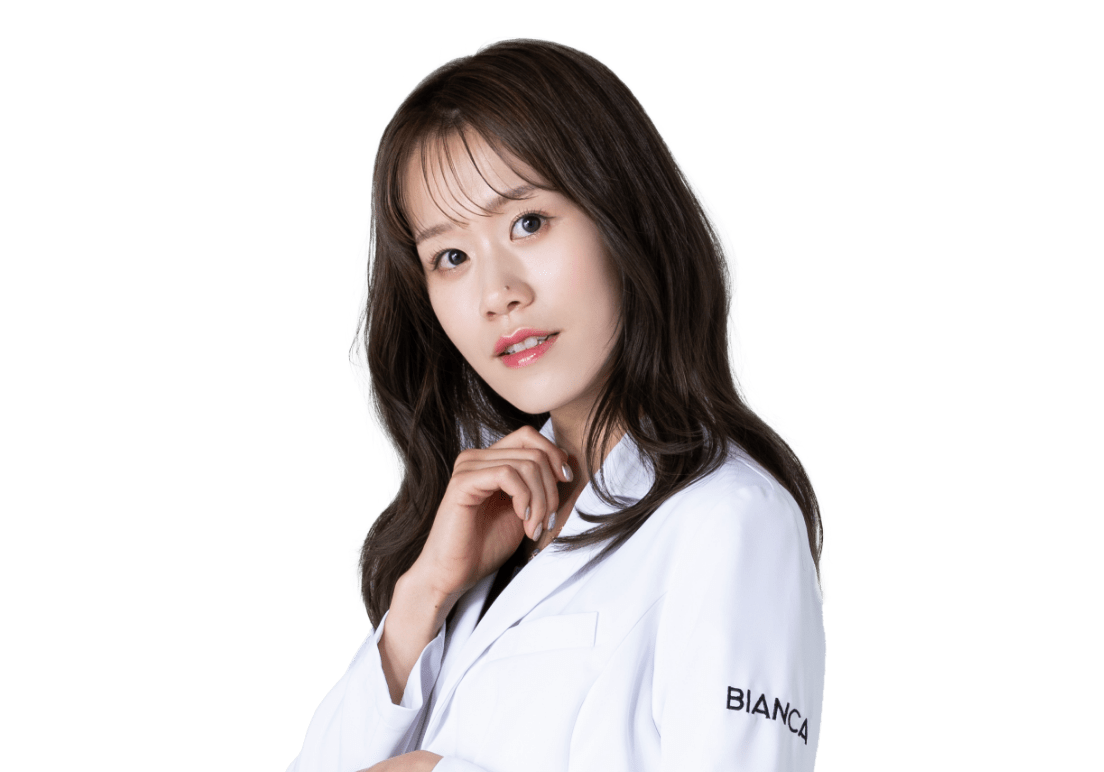
My journey into aesthetic medicine stems from a desire to help enrich and beautify lives beyond simply treating illness. My specialties include hyaluronic acid, Botox, and thread lifts. I provide treatments that enhance each individual's unique qualities and bring out an elegant, natural beauty. For concerns around the eyes that are difficult to improve with dermatology alone, I also perform surgical procedures. By integrating dermatology and surgery, I holistically balance the entire face. With three periods of overseas study, I am also able to provide consultations in English.

For Those Concerned About “Vision Loss” from Sculptra (Including Those Considering the Procedure in Ginza, Tokyo)
"Can Sculptra cause blindness?"—When you search for this, you’ll come across information that stirs up anxiety, won’t you?
For those looking for cosmetic surgery or cosmetic dermatology clinics in Tokyo, or those considering a consultation in the Ginza area, the first thing I want to emphasize is that it’s important to understand the process correctly and prepare appropriately, rather than being unnecessarily afraid.
Sculptra is a collagen-stimulating injectable treatment whose main ingredient is PLLA (poly-L-lactic acid), and it can be a useful option when administered following proper evaluation and procedures.
On the other hand, it is also true that facial injections can, in very rare cases, lead to serious complications.
In this article, from the perspective of a cosmetic surgeon, I will discuss—in an accessible yet professionally accurate manner—the relationship between Sculptra and blindness, the mechanisms behind the associated risks, approaches to prevention, key considerations when choosing a clinic in Ginza, Tokyo, and how to approach related procedures such as Botox.
[Doctor’s Point]
-
- Sculptra is,A collagen-stimulating injectable formulation primarily composed of PLLA (poly-L-lactic acid)is.
- In response to the question, “Can Sculptra cause blindness?”Although extremely rare, there is a non-zero risk of vision impairment or blindness resulting from accidental intravascular injection during facial injections.。
- The FDA’s Sculptra package insert also warns that accidental intravascular injection of facial soft tissue fillers can lead to serious complications, including blindness.
- There have been actual case reports of vision impairment caused by PLLA. A 2025 review identified two confirmed cases of vision impairment caused by PLLA. However, it is not possible to calculate the exact incidence rate for individuals based on the number of case reports.
- A key cause is that the drug enters the bloodstream, reaches the ophthalmic and retinal arterial systems, and blocks blood flow.Vascular Embolism and Vascular Occlusionis.
- The nose, area between the eyebrows, and forehead are areas where vision impairment caused by fillers has been reported relatively frequently. On the other hand, there have also been reports of permanent vision impairment due to retinal artery occlusion following PLLA injections into the temples.
- Once blindness occurs, it is extremely difficult to treat, and it is not uncommon for vision to not fully recover. That is precisely why,Proper injections performed by physicians with a thorough understanding of facial vascular anatomy, and a system capable of immediately recognizing and responding to abnormalitiesis important.
Can Sculptra Cause Blindness? — It’s Extremely Rare, but Not Impossible
To get straight to the point, while vision impairment or blindness triggered by accidental injection into a blood vessel is extremely rare in facial injection treatments—including those using Sculptra—the theoretical possibility cannot be ruled out.
An FDA advisory also indicates that fillers injected into blood vessels can cause emboli or vascular occlusion, which may lead to serious complications such as visual disturbances or blindness.
There are actual “before and after” reports of vision impairment caused by PLLA, and there is also published data that has been compiled as confirmed “before and after” cases.
However, due to the small number of "Before & After" cases, it is not possible to accurately calculate the incidence rate for each individual.
Rather than downplaying the issue simply because it occurs infrequently, we should prioritize measures to enhance safety and establish a system for early detection, taking into account the significant impact such incidents can have when they do occur—this approach is the most realistic.
What Is Sculptra?—A Mechanism of Action Different from Hyaluronic Acid
Sculptra is a treatment that aims to gradually improve skin firmness and facial contours over a period of several weeks to several months by stimulating collagen production through the body’s response to PLLA.
It is classified as a so-called biostimulator and differs from approaches—such as those using hyaluronic acid—that rely on the physical properties of the formulation itself to immediately create a shape.
However, since all of these procedures involve "injections into the face," the risk of a complication such as an intravascular injection is something that must be kept in mind regardless of the type of preparation used.
Why Does It Affect Vision?—The Network of Facial Blood Vessels and the Ocular Artery
The facial arteries anastomose with one another, and some of them communicate with the ophthalmic arterial system.
If a pharmaceutical agent that has accidentally entered the vascular space flows retrograde or strays due to conditions such as injection pressure and ultimately reaches the ophthalmic artery or retinal artery, ischemic damage can occur within a short period of time.
The real issue is not so much that Sculptra itself is directly toxic to the eyes, but rather that it enters the bloodstream.
Key Takeaways from the "Before & After" Report
In the published “Before & After” reports, vision problems in areas such as the nose, forehead, between the eyebrows, and temples are frequently documented.
Even with PLLA, there are documented "before and after" cases in which patients developed retinal artery occlusion following an injection into the temple, resulting in permanent visual impairment.
It is not appropriate to look only at the numbers and conclude that a drug is “significantly safer than other formulations,” nor is it appropriate to jump to the conclusion that it is “dangerous and should be avoided.”
Comprehensive safety considerations—including individual anatomical assessment, selection of injection sites and layers, injection rate and pressure, and observation protocols—are crucial.
A Simple Guide to the Differences and Similarities Between Hyaluronic Acid and Botox
Hyaluronic acid is suitable for immediate contouring and offers a reversible option using an enzyme (hyaluronidase), whereas Sculptra (PLLA) cannot be dissolved with hyaluronidase.
Botox is a pharmacological approach that modulates muscle movement; the considerations regarding injection sites and depths, as well as its risk profile, vary.
That said, the principle common to all facial injection treatments is to “avoid excessive injection pressure, proceed cautiously with an understanding of the anatomy, and detect any abnormalities early on.”
Similarly, when considering Botox in Tokyo or Ginza, understanding its indications, limitations, and side effects—and carefully distinguishing between concerns that can be addressed with Botox and those better suited for Sculptra—will lead to greater satisfaction.
While there are plans to use Botox and Sculptra in combination—based on the premise that Botox targets expression lines and Sculptra restores facial contour firmness—since the effects of Botox and the associated downtime vary from person to person, it’s best to seek a comprehensive consultation at a cosmetic surgery, cosmetic dermatology, or cosmetic internal medicine clinic in Tokyo.
Which areas require special attention?
According to the compilation of "Before & After" cases, reports are relatively common regarding the nose, forehead, area between the eyebrows, and around the temples.
This is because this area includes regions where anastomoses with the ophthalmic arterial system are likely to occur based on vascular anatomy. However, it cannot be said with absolute certainty that “this location is completely safe.”
Anatomy can vary depending on individual differences and medical history (such as prior surgeries or injuries). That is precisely why a one-size-fits-all approach is not appropriate; instead, a customized plan based on a comprehensive evaluation of the entire face is essential.
Are cannulas and suction checks a one-size-fits-all solution?
Using a blunt-tipped cannula and performing aspiration before injection can help reduce risks, but a negative result does not necessarily mean the needle is definitely outside a blood vessel.
Safety cannot be ensured by a single procedure alone; it is enhanced only through a combination of factors, including the selection of the injection site, injection rate and pressure, dosage, patient-specific anatomical assessment, and systems for early detection of abnormalities and response.
To Improve Safety—What Healthcare Providers and Patients Can Do
-
Planning Based on an Understanding of Facial Vascular Anatomy and Formulation Characteristics
-
An approach that involves injecting slowly with minimal pressure to avoid overdosage
-
Sharing information in advance regarding the target site, layer, and purpose, and confirming the policy for immediate response to unexpected symptoms
-
On the day of treatment and immediately afterward, carefully monitor the patient for any visual abnormalities, severe pain, or sudden whitening of the skin.
-
If you have any concerns, don’t just “wait and see”—contact a healthcare provider or seek medical attention promptly.
Factors to Consider When Choosing a Clinic in Ginza, Tokyo (Cosmetic Surgery, Cosmetic Dermatology, and Cosmetic Internal Medicine)
When choosing a clinic, don’t base your decision solely on price or “before and after” photos; be sure to check the following points. This is especially important in areas with many options, such as Tokyo and Ginza.
-
Will they explain the respective roles of cosmetic surgery, cosmetic dermatology, and cosmetic internal medicine, and present a balanced range of options?
-
Will it provide an unbiased overview not only of the pros and cons of Sculptra, but also a comparison with Botox and other treatments?
-
Are the initial response procedures and coordination mechanisms clear in cases where a vascular occlusion is suspected?
-
Will they explain individual differences in downtime and risks carefully and without exaggeration?
-
Whether the logistics of getting to the clinic in Ginza, Tokyo (access, how to contact them outside of business hours, etc.) suit me
Safety Considerations for Related Procedures: Liposuction, Breast Augmentation, and Botox
Safety considerations are not limited to injection treatments. It is also important to be prepared for “rare but serious complications” associated with surgical procedures such as liposuction and breast augmentation, as well as pharmacologically-based treatments like Botox.
For example, liposuction carries risks such as bleeding, infection, and fat embolism, while breast augmentation carries risks such as bleeding, infection, and capsular contracture; in both cases, the risks may vary from person to person.
With Botox, determining the dosage and injection sites is crucial, and the results and duration of the effects vary from person to person.
When considering liposuction at a cosmetic surgery clinic in Ginza, Tokyo, be sure to confirm whether you are a suitable candidate for the procedure and assess your lifestyle (including your tolerance for downtime), and ask about measures to reduce the risks of liposuction (such as anesthesia and perioperative care).
If you are considering breast augmentation, be sure to discuss whether the procedure will truly help you achieve your desired shape, and whether other options might lead to greater satisfaction.
When considering Botox treatments—whether at a cosmetic dermatology, cosmetic internal medicine, or cosmetic surgery clinic in Tokyo—it’s important to take into account your facial expressions and professional needs (such as the need to maintain a certain facial expression). Discussing the specific injection technique and aftercare in detail will help ensure results that are just right—neither too much nor too little.
In summary, even across different categories such as liposuction, breast augmentation, and Botox, a culture of safety is essential throughout the entire process—from assessment to planning, implementation, and follow-up.
Don’t base your decision solely on “before and after” photos of liposuction or breast augmentation, and don’t rely too heavily on “before and after” photos of Botox either. Precisely because Ginza, Tokyo, is an area with so much information available, a calm and careful comparison will give you peace of mind.
If you feel that “something is wrong with your eyes” after the treatment
If, after a Sculptra or other injection, you suddenly experience blurred vision, abnormal vision in one eye, severe eye pain, sudden whitening of the skin or a net-like discoloration, or unusually severe pain, do not wait to see if the symptoms subside on their own; contact the clinic where you received the treatment immediately.
Since this could turn into a race against time, it’s a good idea to check in advance how far the clinic is from Ginza, Tokyo, and how to contact them outside of business hours.
Frequently Asked Questions (FAQ)
Q1. Is Sculptra safer than hyaluronic acid?
Safety cannot be simply compared based on the product name alone. It depends on a comprehensive treatment plan that takes into account the injection site and depth, the volume injected, the patient’s anatomy, and the monitoring protocol. Visit a cosmetic surgery, cosmetic dermatology, or cosmetic medicine clinic in Tokyo to develop a treatment plan tailored to your face.
Q2. Will I lose my sight if I use a cannula?
While it is possible to reduce the risk, it is not guaranteed. Whether using a needle or a cannula, a thorough understanding of anatomy, careful control of injection pressure and rate, and early detection of abnormalities are essential.
Q3. Is it okay to have this treatment on the same day as Botox?
It may be possible in some cases, but it depends on the treatment area and your goals. Since the effects of Botox and the associated downtime vary from person to person, please consult with a clinic in Ginza, Tokyo—one that’s convenient for you—to discuss the timing and sequence of your treatments.
Q4. Are there any plans to have liposuction or breast augmentation at the same time?
When it comes to liposuction and breast augmentation, downtime and overall health management are key considerations. It’s best to avoid scheduling them back-to-back; instead, set priorities and proceed in stages.
Q5. Is it okay to make a judgment based solely on "before and after" photos?
While this information is helpful, it cannot fully account for individual differences. It’s important to prioritize a system that allows for discussions covering your goals, lifestyle, and risk tolerance.
For Those Considering Sculptra or Botox in Ginza, Tokyo
Even when it comes to the same issues—such as “wrinkles” and “loss of volume”—the best approach varies from person to person. In Tokyo and Ginza, where there are so many options, it’s easy to get overwhelmed by all the information.
You can avoid unnecessary detours by choosing a consultation service that provides a comprehensive, cross-disciplinary explanation of the roles of cosmetic surgery, cosmetic dermatology, and cosmetic medicine—and that objectively outlines your options, including not only Sculptra and Botox but also surgical procedures such as liposuction and breast augmentation.
Please assess whether the clinic has a system in place to support you every step of the way—including having the “courage to say no” to certain treatments, such as fine-tuning Botox, planning the extent of liposuction, or determining your suitability for breast augmentation.
The Day's Schedule and Basic Aftercare Guidelines
During an initial consultation, the typical process is as follows: articulating the patient’s concerns → evaluating the entire face → proposing treatment options and alternatives → discussing risks and downtime → determining whether the procedure is appropriate.
On the day of your treatment, be sure to receive specific instructions regarding whether you can wear makeup, any restrictions on bathing or exercise that day, and precautions regarding physical contact, and be sure to confirm how to contact us in case of any issues.
If you have a busy schedule in Ginza, Tokyo, it might be a good idea to discuss whether it’s realistic to balance your treatment schedule with aftercare—just to be on the safe side.
Summary
When it comes to the relationship between Sculptra and blindness, it is essential to design treatments that prioritize prevention and early detection while acknowledging the reality that “the incidence is extremely rare, but not zero.”
Sculptra is an injectable treatment that stimulates collagen production using PLLA, and avoiding accidental intravascular injection is key to its safety. Particular caution is required when administering the treatment to certain areas, such as the temples, nose, forehead, and between the eyebrows.
If you’re considering cosmetic procedures in Ginza, Tokyo, look for a clinic that can help you find the “best solution for you” by drawing on its expertise across cosmetic surgery, cosmetic dermatology, and cosmetic internal medicine—including options such as Botox, liposuction, and breast augmentation.
Don't keep it all to yourself—start by putting your worries and hopes into words. If you're wondering whether this is right for you, feel free to ask for advice in a relaxed setting where there's no pressure to buy.