column (e.g. in newspaper)
2026.07.20
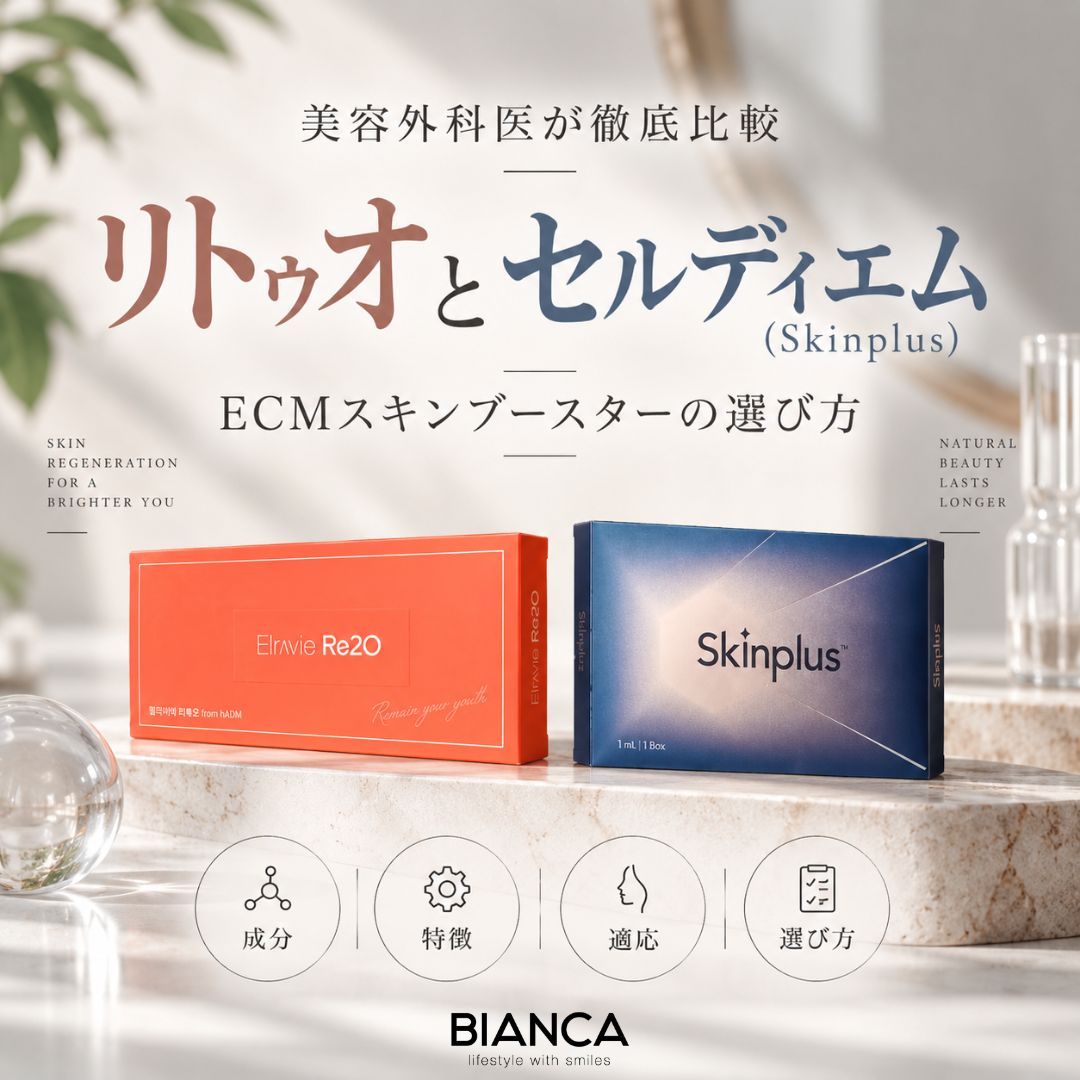
A Cosmetic Surgeon's In-Depth Comparison: Lituo vs. Serdiem (Skinplus)—How to Choose an ECM Skin Booster

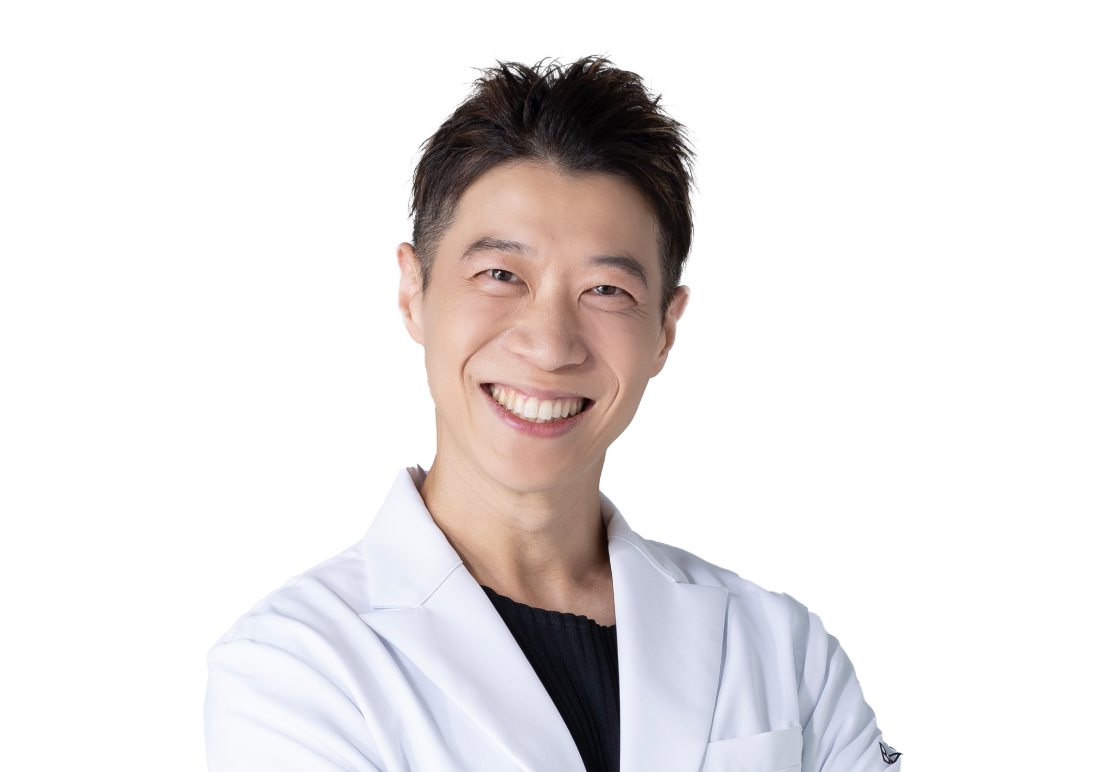
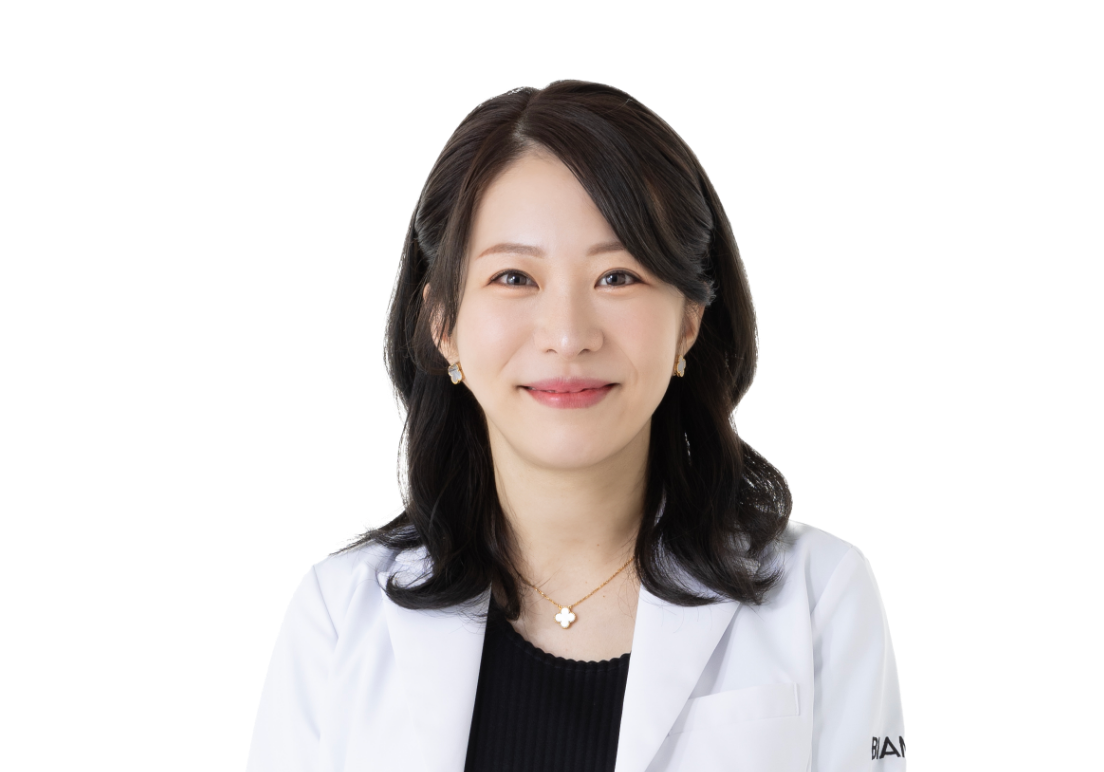
Engaged in both aspects of cosmetic dermatology and cosmetic surgery, he is an all-rounder doctor who pursues natural and elegant beauty with "the best interest of the patient" as his first priority. He is also a board-certified cosmetic surgeon by the Japanese Society of Aesthetic Plastic Surgery (JSAS). He specializes in hyaluronic acid injections, thread lifts, and facial surgery, and is a competent KOL (Key Opinion Leader) for ARTEMISLIFT and Hydro Rejuran. He is always sensitive to the latest trends and is always exploring knowledge and techniques.
 Doctors' Point
For those who want to know the difference between Lituo and Serdiem (Skinplus).
In recent years, the concept of “skin nurturing” has gained traction in aesthetic medicine, and skin booster treatments—which aim to improve the skin’s underlying structure—have become increasingly widespread. In particular, within the field of cosmetic surgery, approaches that replenish the human extracellular matrix (ECM) have garnered significant attention, with Rituo and CellDiem (Skinplus) being introduced as leading treatment options.
However, there are currently not enough high-quality clinical trials published that directly compare the two across different manufacturers. Therefore, in this article, from the perspective of a cosmetic surgeon, we will analyze and explain “what they have in common and how they differ,” as well as “how to choose between them,” based on publicly available information and the characteristics of their formulations.
This article provides a clear, practical overview—including the unique decision-making criteria used in cosmetic surgery and how to interpret “before and after” photos—for those who wish to make informed choices based not only on the name of the treatment but also on their skin condition, treatment goals, and tolerance for downtime.
What Is an ECM Skin Booster?—Understanding the Basics
The extracellular matrix (ECM) is a vital “scaffold” that supports skin cells and plays a key role in signal transduction and tissue repair. Its main components are as follows.
-
Collagen
-
Elastin
-
hyaluronic acid
-
Proteoglycan
-
Laminin
-
Fibronectin
As a result of aging and UV exposure, the ECM decreases and deteriorates, leading to a decline in fibroblast function.
As a result, signs such as a loss of firmness and elasticity, enlarged pores, fine lines, thinning skin, and a loss of radiance begin to appear. The ECM Skin Booster is a new category of “skin nurturing” products that restores the lost extracellular matrix and creates an environment conducive to fibroblast activity.
Features of Rituo—hADM-Derived Microparticle ECM
Rituo is an ECM skin booster whose main ingredient is human-derived acellular dermal matrix (hADM). Cell components are removed from the donor skin’s dermis, and the material is purified and micronized while retaining its ECM structure. Designed to minimize immune reactions, it aims to improve skin density, firmness, and elasticity by supplementing the dermal scaffold.
In the field of cosmetic surgery, the accuracy of the injection site and consistency with the overall facial design tend to significantly influence the results, making this a product where the surgeon’s skill level has a direct impact on the outcome.
Features of Serdiem (Skinplus)—A Design Focused on Maintaining Structural Integrity
Seldiem (Skinplus) is similarly formulated with hADM as its main ingredient; it is a preparation made by specially processing human dermis—from which cells have been removed—to create fine particles. It is characterized by a design that prioritizes the preservation of the ECM structure, and it aims to optimize the skin environment by utilizing not only collagen but also a complex mix of ECM components.
It is increasingly being adopted by cosmetic surgery clinics both in Japan and abroad, where it is used to improve skin firmness, elasticity, and density.
Common Ground—The Core Concept of “Replenishing ECM”
-
ECM Skin Booster Based on Human-Derived hADM
-
Cell components are removed, and care is taken to minimize immune reactions
-
Supporting the creation of a scaffold that promotes fibroblast activity
-
“Skin Quality”-Oriented Treatments That Optimize the Environment for Collagen Production
In both cases, these treatments are used in the context of cosmetic surgery aimed at improving the skin’s inherent quality over the long term, rather than for volume enhancement (as with hyaluronic acid fillers).
Differences—Nuances Arising from Manufacturing Processes and Formulation Characteristics
The following are the differences anticipated based on publicly available information.
-
Manufacturer, Decellularization Technology, Purification Procedure
-
Particle Size, Viscosity, and Spreadability (texture and ease of use during application)
-
Compatibility with ECM Retention Rate, Concentration Design, and Injection Design
Based on observations from the field of cosmetic surgery, there are reports that even within the same hADM family, the “feel” of the injection, the pattern of diffusion, and the perceived downtime can vary slightly.
However, there are only a limited number of high-quality clinical trials that directly compare the two, so it is not yet possible to conclude that “one is clearly superior to the other.”
Expected Changes and Current Evidence
-
Improved Firmness and Elasticity
-
Reduction of Pores and Fine Lines
-
Improved Radiance and Skin Density
-
Comprehensive Improvement in Overall Skin Condition
All of these products share a common goal, and the key is to administer them using the appropriate layer, volume, and design. From a cosmetic surgery perspective, the consistency between the technique and the treatment plan has a far greater impact on the results than the product itself.
Comparison with Other Formulations—Understanding the Differences in Mechanisms of Action
-
Rejuran: Salmon-derived polynucleotide (PN). An approach that promotes cellular repair.
-
Jubelook: PDLLA (polylactic acid). Promotes collagen production through a foreign body reaction.
-
Profilor: Non-crosslinked hyaluronic acid. Hyaluronic acid-mediated tissue remodeling.
Rituo/Serdiem is characterized by its ability to “complement ECM itself,” and aims to reconstruct a more physiologically natural scaffold environment.
In cosmetic surgery, it is more practical to design treatments using a combination of products tailored to specific goals (e.g., ECM for skin texture, hyaluronic acid for contouring, and Botox for dynamic wrinkles) rather than relying on a single product.
Treatment Protocol—Number of Sessions, Intervals, and Maintenance
-
Initial phase: About 3 times, at intervals of 3 to 4 weeks
-
Maintenance: Every 3 to 6 months
The optimal number of sessions varies depending on factors such as age, skin thickness, photoaging, and lifestyle habits. During a consultation at our cosmetic surgery clinic, we will propose a phased treatment plan that takes into account your treatment history and tolerance for downtime.
Downtime, Side Effects, and Risks
-
Temporary redness, swelling, needle marks, bruising, and slight unevenness
-
Symptoms usually improve within a few days to a week.
-
In rare cases, indurations or discoloration may persist: Proper layer thickness, dosage, and aftercare are crucial.
In cosmetic surgery, we design a comprehensive treatment plan that includes layer-selective injections based on the distribution of the extracellular matrix, an injection strategy that ensures uniformity, and post-operative care that covers cooling, moisturizing, and UV protection.
A Cosmetic Surgery Perspective: Who Is It For? How to Choose?
-
Ideal for: Those concerned about loss of firmness, enlarged pores, fine lines, loss of skin density, or who are seeking a natural, youthful appearance
-
How to Choose: A comprehensive evaluation of skin thickness, fat volume, elasticity, the degree of photoaging, lifestyle habits, and history of other treatments
-
Key Considerations: Consistency in the injection site, injection volume, overall facial design, and maintenance schedule—rather than the product name
In cosmetic surgery, simply deciding “which product to use” is not enough; patient satisfaction depends on “who performs the procedure and how.”
How to Interpret "Before & After" Data—Practical Tips for Evaluating Effectiveness
-
Standardize shooting conditions (lighting, angle, distance, and whether or not makeup is worn)
-
Focused observation of specific areas (cheek firmness, pores, fine lines around the eyes, and radiance on the front of the cheeks)
-
Compare short-term (1–4 weeks) and medium-term (3–6 months) results to observe changes in skin density and texture
Evaluating "Before & After" from both quantitative and qualitative perspectives, and assigning scores as needed, leads to reproducible treatment plans.
Checklist for Choosing a Cosmetic Surgery Clinic
-
Does the counseling session include an explanation of indications, contraindications, and alternative options?
-
Establishment of Photography Standards (Transparency in Before-and-After Evaluations)
-
Design Capabilities for Injection Layers, Design Strategies, and Combination Therapies
-
Details on Downtime and Aftercare
-
Not Just Price, but Treatment Planning and an Estimate of Total Costs
The strength of cosmetic surgery lies in its ability to provide comprehensive treatment plans tailored to your goals. Rather than making decisions based on a single procedure, focus on optimizing your results through a medium-term plan.
Our Clinic's Approach to Cosmetic Surgery
-
Focus on Safety: Determining Indications and Confirming Contraindications, Standardizing Hygiene and Anesthesia Protocols
-
Custom Design: Full-Face Planning That Takes Into Account Skin Thickness, Fat Distribution, and Skeletal Structure
-
Filming and Evaluation: Filming in a Standardized Environment and Conducting Before-and-After Reviews
-
Postoperative Follow-Up: Downtime Management and Home Care Instructions, Plus Planning for Touch-ups as Needed
The role of cosmetic surgery is to integrate knowledge of formulations, technical skills, and long-term skin care strategies to provide a treatment experience that is neither excessive nor insufficient.
How to Choose the Right ECM Skin Booster at a Cosmetic Surgery Clinic
Both Lituo and Serdiem (Skinplus) are ECM skin boosters derived from hADM, and they share the common goal of improving skin firmness, elasticity, pores, fine lines, and skin density by supplementing the skin’s “scaffold.” Although there are differences in manufacturing, particle design, and ease of use, there are currently only a limited number of high-quality clinical trials directly comparing the two, so it is not yet possible to definitively state which one is superior.
In the practice of cosmetic surgery, it is the treatment plan—which includes the appropriate layer, volume, design, and follow-up care—rather than the brand name of the product, that determines the outcome.
The guidelines for making a choice are clear: assess your skin condition, treatment goals, tolerance for downtime, and whether you’re undergoing any other treatments simultaneously, and then work with a cosmetic surgeon to determine the best solution through a thorough consultation. Evaluate the “Before & After” results from a medium-term perspective and make minor adjustments as needed.
This is the fastest way to achieve greater satisfaction with the ECM Skin Booster. The treatment is a means to an end—the goal is “skin that’s beautiful right down to its texture.” Work with a trusted cosmetic surgery clinic to develop a sensible and flexible skin care plan.
Summary
Rituo and Serdiem (Skinplus) are both new skin boosters that aim to improve skin firmness, elasticity, pores, and fine lines by replenishing the ECM to balance the skin’s condition.
At this time, there is limited clinical data available for a direct comparison of the two, so it is not possible to determine which is superior based solely on the product name. The key is to choose the appropriate product and treatment plan based on your skin type and goals.
Developing a ”skin care” plan tailored to your needs—based on consultations with an experienced cosmetic surgeon and ongoing follow-up evaluations—will lead to long-term satisfaction.