column (e.g. in newspaper)
2026.10.22
How Many Units of Botox Are Appropriate? A Cosmetic Surgeon Explains: Guidelines by Treatment Area, the Difference Between 10 and 50 Units, and the Relationship Between Effectiveness and Cost

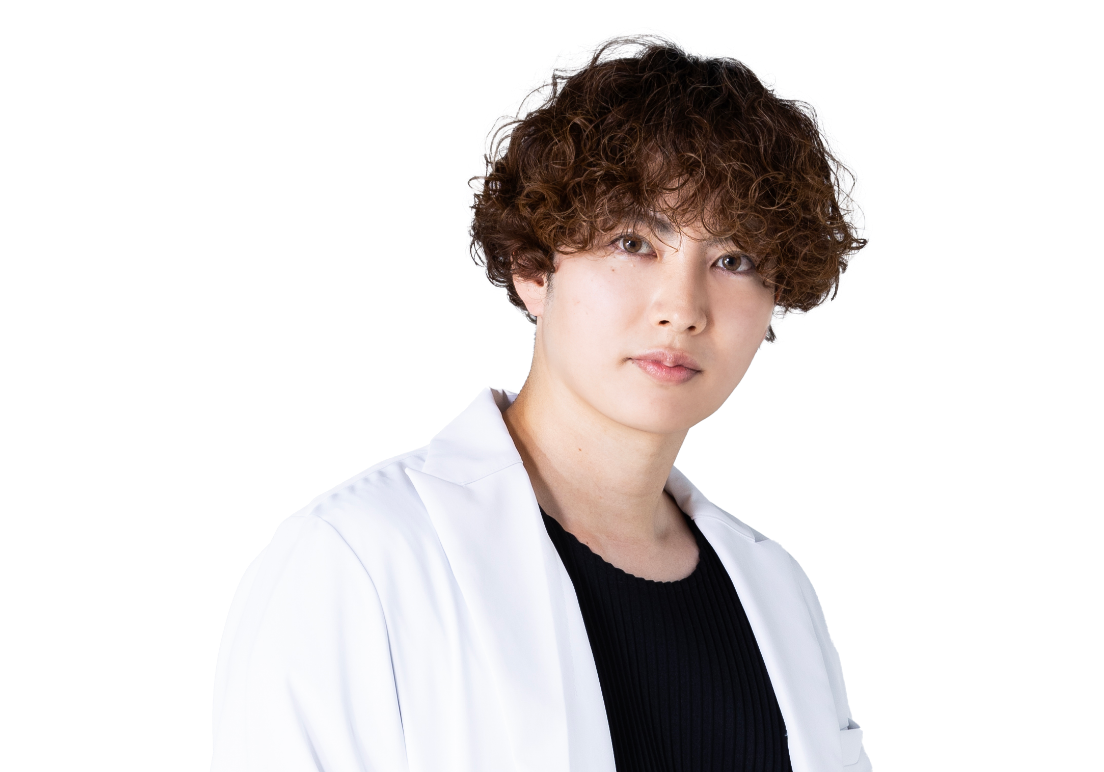
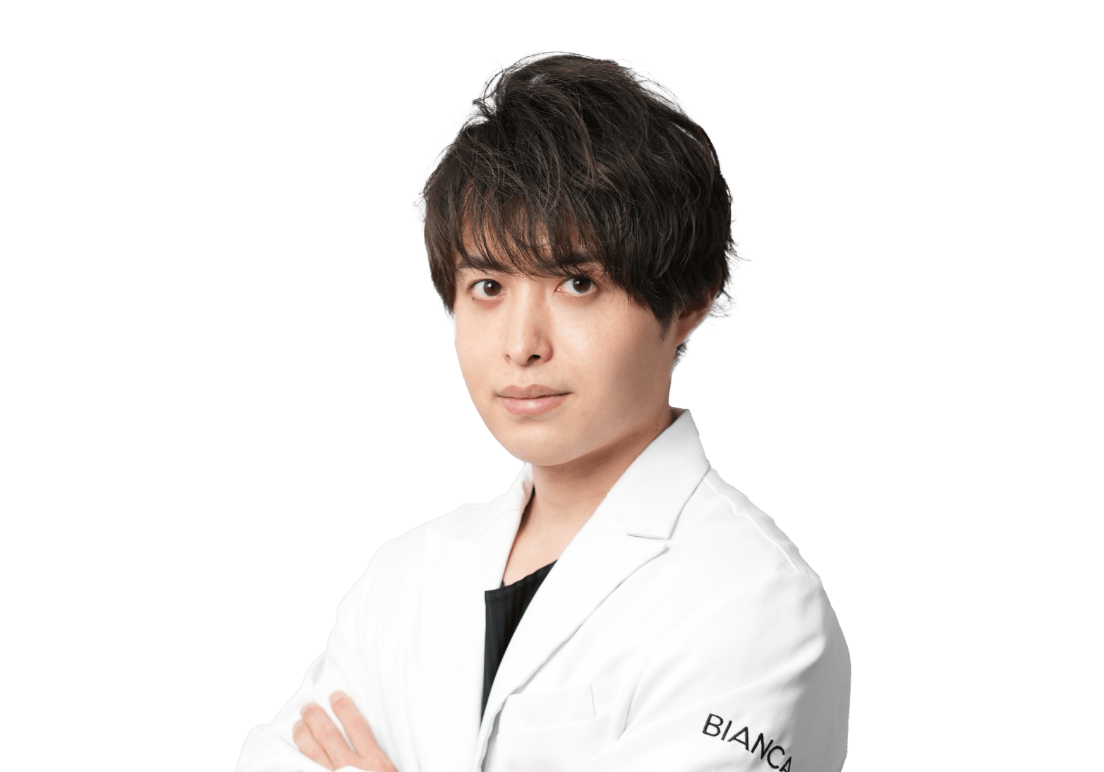
My journey into aesthetic medicine stems from a desire to help enrich and beautify lives beyond simply treating illness. My specialties include hyaluronic acid, Botox, and thread lifts. I provide treatments that enhance each individual's unique qualities and bring out an elegant, natural beauty. For concerns around the eyes that are difficult to improve with dermatology alone, I also perform surgical procedures. By integrating dermatology and surgery, I holistically balance the entire face. With three periods of overseas study, I am also able to provide consultations in English.
 Doctors' Point
“For jawline Botox, which is better—40 units or 80 units?” “Is 10 units enough for Botox between the eyebrows?” “Does a higher number of units last longer?” Many people probably have questions like these when considering Botox treatment.
Botox is a relatively common injectable treatment in the field of cosmetic medicine. However, since price lists at different clinics may list amounts such as “10 units,” “50 units,” or “100 units,” some people may be unsure of what criteria to use when making a choice.
When determining the number of units of Botox to administer, I prioritize the question of “which muscles I want to move and to what extent” over simply “how many units to inject.” For example, even for the same frown lines between the eyebrows, the required dosage may differ between someone with well-developed muscles and someone with relatively weak muscle movement.
In addition, when using Botox on the forehead, if you increase the number of units solely to make wrinkles less noticeable, it can cause your eyebrows to droop or your facial expressions to look unnatural. The same applies to Botox injections in the jawline.
Reducing the volume of the masseter muscle can help create the appearance of a smaller face, but if the muscle is reduced too much, it may lead to sunken cheeks or sagging along the jawline. In other words, Botox treatment is not one where more units are necessarily better.
The key is to determine the appropriate amount by taking into account factors such as facial bone structure, muscle development, facial expression habits, and age-related changes.
In this article, we’ll take a detailed look at the topic of “Botox units” from a cosmetic surgeon’s perspective—covering the meaning of unit counts, dosage by treatment area, the differences between 10, 20, 50, and 100 units, the relationship between unit counts and effectiveness, duration of results, and cost, as well as key points for avoiding complications.
What Are Botox Units? The Basics You Need to Know First
A Botox unit (Unit/U) is a measure of the biological potency of a botulinum toxin preparation. Unlike mg (weight) or mL (volume), even if the dosage is the same—such as “20 units”—the volume of the injected solution will vary depending on the degree of dilution.
In other words, you cannot determine how many units of Botox were used based solely on the volume injected. Clinics in Tokyo and Ginza provide the same explanation: the unit notation is based on standards specific to each product.
Estimated Botox Units by Body Part
For botulinum toxin products approved for use in Japan, the recommended dosage ranges are 10 to 20 units for the glabella, 12 to 24 units total for both sides of the outer corners of the eyes, and 48 to 72 units total for both sides of the jawline (masseter muscle bulge). These are merely guidelines, and the dosage may need to be adjusted based on muscle development and facial expression habits.
Whether it’s cosmetic surgery, cosmetic dermatology, or treatment for expression lines at a cosmetic internal medicine clinic, it’s important to accurately assess these “individual differences.”
Understanding 10 Units, 20 Units, 50 Units, and 100 Units
Generally speaking, 10 units is a small amount; 20 units is an amount sometimes used for expression lines; 50 units is an amount sometimes used for relatively large muscle groups (e.g., the masseter muscle); and 100 units is a number you’ll often see as the total for multiple treatment sites or as the vial volume.
However, even if the same “20 units” are used, this does not mean the visible change will be twice as great. In cosmetic surgery, the results are determined not by the number of units used, but by the design of the “treatment area and depth.”
Botox for the Glabella: Is 10 Units Enough? A Approach to Maintaining a Natural Look
As a general guideline, 10 to 20 units are recommended for the area between the eyebrows, but for people with strong muscles, 10 units may not be enough. Conversely, using too many units can affect eyebrow movement and eyelid opening. Whether at a cosmetic dermatology clinic, a cosmetic surgery clinic, or a cosmetic medicine clinic, the standard practice is to make fine adjustments based on an assessment of facial movements (dynamic evaluation).
Even at clinics in Ginza, Tokyo, they sometimes follow a process where they start conservatively on the first visit, then evaluate the results, and finally make minor adjustments.
Botox for the Outer Corners of the Eyes: Subtle Adjustments to Preserve Your Smile
As a general guideline, 12 to 24 units are recommended for the outer corners of the eyes (both sides combined). If the sole focus is on “eliminating wrinkles,” this area is particularly prone to losing the softness of a smile. Whether through the delicate sensibility of cosmetic dermatology, the full-face design approach of cosmetic surgery, or the balanced perspective of cosmetic internal medicine, the goal is always to achieve both “wrinkle reduction” and “natural facial expressions.”
Whether in Tokyo or Ginza, discussing with your doctor “how much mobility you’d like to retain” tends to lead to greater satisfaction with the final results.
Jaw Botox: How Should You Think About 50 Units, 80 Units, and 100 Units?
The masseter muscle is a large muscle, and the general guideline is 48 to 72 units total for both sides. A total of 50 units for both sides may fall within the normal range, but this does not necessarily mean it is appropriate for everyone. Figures such as 80 or 100 units cannot be compared directly, as their meaning varies depending on differences in the formulation and whether the number refers to “one side” or “the total.”
Achieving a slimmer-looking face isn’t simply a matter of “doing it a lot”; it’s also important to consider the balance between cheek fullness and skin elasticity. At our cosmetic surgery clinic, we assess whether liposuction or Botox injections for the jawline are the best option for your facial contours, taking into account your lifestyle and preferences.
Duration and Fees: Don't Base Your Decision Solely on the Number of Units
The effects typically last several months, though this varies from person to person depending on the treatment area, the number of units, and how the muscles are used. Injecting more units does not necessarily mean the effects will last longer; it also carries the risk of excessive muscle weakness. Pricing structures include either a “flat rate per area” or a “per-unit” system, and rates vary even within the Ginza area of Tokyo.
Whether you're considering cosmetic dermatology, cosmetic surgery, or cosmetic internal medicine, be sure to compare not only the number of sessions but also the treatments, consultations, and aftercare.
How to Choose the Right Botox Unit Dosage in Ginza, Tokyo (Cosmetic Surgery / Cosmetic Dermatology / Cosmetic Internal Medicine)
Tokyo offers a wide range of options, and Ginza is home to a concentration of cosmetic surgery clinics, cosmetic dermatology clinics, and cosmetic medicine clinics. If you’re unsure where to go, use the following as guidelines: (1) Does the practitioner assess your muscles by having you move them during the consultation? (2) Do they clearly explain the rationale behind the number of units? (3) Do they explain how to interpret the “before and after” photos?
In Tokyo and Ginza, you can see these distinct specialties: cosmetic surgery excels in full-face and facial contouring; cosmetic dermatology specializes in subtle adjustments to skin texture and expression lines; and cosmetic internal medicine makes it easy to consult on treatments that incorporate an internal approach.
How to Approach Botox and Other Procedures: A Cosmetic Surgery Clinic’s Perspective on Liposuction and Breast Augmentation
If you’re looking to improve your facial contours quickly, liposuction on the cheeks or under the chin may be the right choice in some cases. On the other hand, Botox is often effective for reducing tension caused by the masseter muscle. In cosmetic surgery, liposuction and Botox injections for the jawline are sometimes designed to complement—rather than compete with—one another.
While breast augmentation is a separate field when it comes to the décolletage, the ability to assess overall body balance is the same. Even for those considering liposuction, if the masseter muscle is the primary cause, optimizing the dosage of Botox can significantly change one’s appearance. Similarly, for those seeking breast augmentation, refining the facial features in an elegant way can enhance the overall harmony of the body.
At this cosmetic surgery clinic in Ginza, Tokyo, we provide comprehensive consultations covering liposuction, breast augmentation, and Botox to help patients make well-informed decisions.
Please note that liposuction is a surgical procedure, and breast augmentation also falls within the field of surgery; their downtime and risks differ from those of Botox. Liposuction is intended for those seeking immediate, quantifiable changes; breast augmentation focuses on volume enhancement; and Botox is used to adjust the function of facial muscles and the masseter muscle. We recommend taking advantage of a comprehensive consultation at a cosmetic surgery clinic, taking into account your lifestyle, preferences, and budget.
Why the Results Differ Even When the Units Are the Same
The final results vary depending on a combination of (1) muscle thickness and development, (2) the injection area and depth, (3) facial expressions, and (4) the characteristics of the product. Even with the same “50 units,” the results will not be the same for everyone.
Whether you’re looking for cosmetic dermatology, cosmetic surgery, or cosmetic internal medicine, evaluations are generally based on both still and expressive facial expressions. In areas with a high concentration of doctors, such as Ginza in Tokyo, compatibility with the doctor’s consultation style is also a key factor in your choice.
Who is this for? People who want to consider their options carefully
-
Ideal for: Those who want to soften expression lines, gradually refine a prominent jawline, or prioritize a natural look
-
For those who want to consider this carefully: those with heavy eyelids, a history of weak facial muscles, those whose jobs require expressive facial expressions, or those concerned about changes in their biting strength
Results, duration, downtime, and risks vary from person to person. Consider starting with a small amount and adjusting as needed.
How to Interpret "Before & After" Photos and Tips for Consultations
It’s easier to understand the validity of the measurements when viewing the “Before & After” images in three different expressions: a smile, a frown, and a neutral expression. Be sure to check not only whether wrinkles have decreased, but also whether the expressions look natural and whether the positions of the eyebrows and the corners of the mouth are appropriate.
If you're looking for cosmetic surgery, cosmetic dermatology, or cosmetic internal medicine clinics in Ginza, Tokyo, you should find it easy to relate to this perspective.
Frequently Asked Questions (FAQ)
Q1. Does a higher unit count mean it lasts longer?
It depends on the situation. Duration varies depending on the body part, exercise, and how the muscles are used, and increasing it too much carries the risk of making the movement look unnatural. We’ll determine the appropriate amount based on our assessment.
Q2. Is 10 units enough for the area between the eyebrows?
While this may be appropriate for people with low muscle strength, it might not be challenging enough for those with high muscle strength. It’s safest to start off gently, evaluate the results, and then make minor adjustments.
Q3. Is 50 units for the jawline too little?
This may be appropriate within the total range for both sides. However, it is not suitable for everyone. Adjustments are made based on the development of the masseter muscle and the volume of the cheeks.
Q4. Do the fees vary based on the number of credits?
This is relevant under a "per unit" pricing system, but there’s also a "fixed fee per area" system. Be sure to compare prices that include medications, consultations, and follow-up care.
Q5. Where should I take it? What about Ginza, Tokyo?
Cosmetic surgery specializes in facial contouring, cosmetic dermatology in subtle adjustments to facial expressions, and cosmetic medicine in comprehensive consultations—each has its own unique strengths. Prioritize finding a practitioner who is a good fit for you and explains things clearly.
A Word from the Doctor | Dr. Ayeri Yokoyama, Plastic Surgeon
I believe in the principle of “the right amount for the right muscles.” Increasing the number of units is not the same as achieving a beautiful, refined result. During consultations in Tokyo and Ginza, I work with you to find the best solution tailored to your lifestyle and preferences—considering not only Botox but also other options such as liposuction and breast augmentation.
If you're interested, start by having a consultation to assess how you currently use your facial expressions. Whether you visit a plastic surgery clinic, a cosmetic dermatology clinic, or a cosmetic medicine clinic, it's possible to customize your Botox treatment plan with a focus on natural results.
Summary
Botox units are a measure of “potency” and are different from mg or mL. The recommended doses of 10–20 units for the glabella, 12–24 units for the outer corners of the eyes, and 48–72 units for the jawline are merely guidelines. While the difference between 10 units and 50 units may seem like a mere difference in quantity, the actual results vary significantly depending on muscle development, the injection area, and facial expression habits.
You can’t judge the longevity or cost of a procedure based on the number of units alone. When choosing a cosmetic surgery, cosmetic dermatology, or cosmetic medicine clinic in Ginza, Tokyo, be sure to discuss with your doctor “which muscles you want to target and to what extent,” and review the before-and-after results from multiple angles.
A holistic approach that considers the overall balance of the body—including liposuction and breast augmentation—can also be helpful. If you’d like to find out if this is right for you, please feel free to schedule a consultation.