column (e.g. in newspaper)
2026.10.10
Melasma Treatment with Potenza | A Design Transformed by the Tip and a Careful Approach to “Chronic Inflammation”

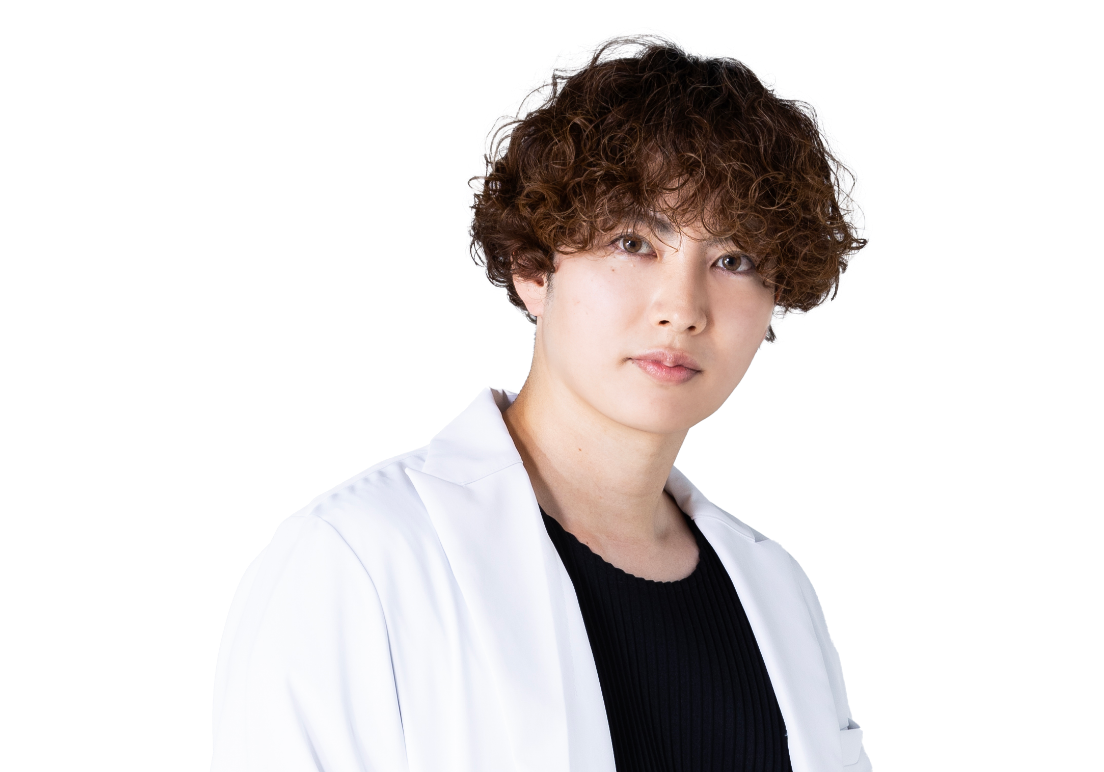
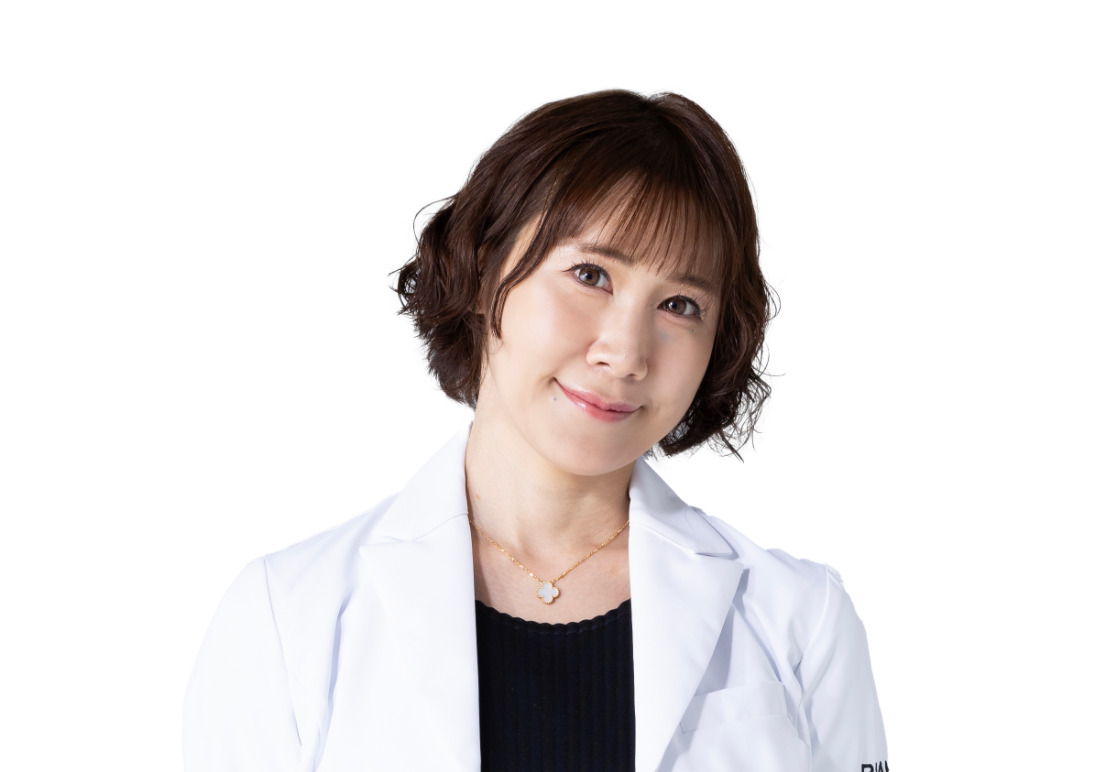
As an Assistant Professor, Associate Ward Director, and Chief of Dermatopathology at the university hospital dermatology department, I deepened my expertise through academic presentations and paper publications both domestically and internationally. I have handled a wide range of treatments, from birthmark therapy in children to adult pigmentation concerns, utilizing various lasers and injection therapies, while also contributing to community healthcare. Through encountering numerous cases, I strongly felt the potential and necessity of aesthetic medicine, resolving to pursue further expertise. Building upon my solid dermatological knowledge and meticulous diagnostic skills, I value treatments that gently support each individual's skin while bringing out its inherent beauty.

Doctors' Point
When treating melasma, it is important not only to “lighten the discoloration” but also to consider the underlying reasons why melasma keeps recurring.
In recent years, it has been suggested that chronic inflammation caused by stimuli such as ultraviolet rays and friction may be involved in the onset and worsening of melasma. Therefore, treatment should not only target melanin but also focus on improving the overall skin environment.
Since Potenza allows you to adjust the tips and irradiation settings, you can tailor the treatment plan to the patient’s skin condition and treatment history. However, melasma varies greatly from person to person, and excessive stimulation can sometimes cause it to worsen.
Rather than rushing to achieve therapeutic results, a comprehensive management approach—including topical medications, oral treatments, and UV protection—leads to a stable course of treatment.
Key Points for Treating Melasma with Potenza
Potenza works on the skin using fine needles and energy, but by selecting the appropriate tip type and depth setting, it is possible to create an optimal environment in the dermis while minimizing stress on the epidermis. The key is “rather than increasing the output, to target the appropriate layer with the appropriate density while minimizing stimulation.”
Since excessive stimulation can easily trigger melasma, I get the impression that many people find it more effective to treat it gently over multiple sessions.
Melasma: A Perspective on Chronic Inflammation and Strengthening the Basal Layer
It is believed that melasma is often caused by a combination of factors—such as UV exposure, friction, hormonal imbalances, and lack of sleep—leading to chronic inflammation. Therefore, it is important to focus not only on the surface color but also on stabilizing the basal layer (the lowest layer of the epidermis) and restoring its barrier function.
At Potenza, settings that minimize irritation to the epidermis while promoting dermal regeneration are often selected, and this “foundation-building” process may ultimately lead to a look that is less prone to changes over time.
Consider the differences from other options in terms of “how well they fit”
It’s helpful to understand how these treatments differ: topical and oral treatments are best for daily management; low-intensity light and laser treatments are ideal for broad-area skin tone correction; and Potenza is well-suited for those seeking medium- to long-term improvements, including enhancing skin texture and firmness.
Rather than focusing on which is better or worse, it’s more practical to choose based on factors such as your daily routine, tolerance for downtime, and how you react to stimulation.
A Realistic Treatment Plan from a Cosmetic Dermatology Clinic
In cosmetic dermatology, a step-by-step treatment plan is often implemented, beginning with a period dedicated to calming inflammation (using topical treatments and lifestyle adjustments), followed by the incorporation of Potenza at a gentle setting.
The basic approach is to adjust the frequency of treatments according to the season and your schedule, and to make fine adjustments while monitoring your skin’s response. By discussing your goals and priorities with the doctors and nurses at a cosmetic dermatology clinic and focusing on specific areas—such as “minimizing uneven skin tone for now” or “texture and firmness next”—you can more easily avoid taking a detour.
Pain, Downtime, and Estimated Number of Sessions
The level of pain varies depending on the treatment settings and individual differences, but in most cases, it can be managed with topical anesthesia. Redness, swelling, and small red spots may appear temporarily, and the time it takes for these symptoms to subside varies from person to person.
The number of sessions varies depending on “intensity,” “sensitivity to stimulation,” and “desired changes in texture,” and it is not uncommon to adopt a plan that builds up gradually rather than relying on a short, intensive course of treatment.
Risks and Home Care
Redness, swelling, dryness, temporary discoloration, and, in rare cases, hyperpigmentation may occur. Avoid rubbing the area before and after the procedure, and be sure to use a mild moisturizer and take thorough precautions against UV exposure.
Since introducing multiple new skincare products at the same time can make it difficult to gauge your skin’s reaction, it’s a good idea to consult with a cosmetic dermatologist about the best timing.
Adjustments Only Possible at a Cosmetic Dermatology Clinic: Choosing the Right Attachment and Making Decisions on the Day of Treatment
One of our strengths is the ability to fine-tune the attachments, depth, and number of shots based on the condition of your skin on the day of the treatment (such as dryness, redness, or sun exposure). By carefully sharing details about your skin’s reaction during your previous session, we can use that information to optimize your settings for your next visit.
In cosmetic dermatology, “not overdoing it” is also an important consideration. The more you focus your treatment plan on maintaining skin stability, the more you can ultimately avoid taking detours.
How to View the "Before & After" Section
"Before & After" images can look different depending on lighting, shooting distance, and the amount of time that has passed. Since skin types and lifestyles vary, rather than expecting an exact replica, it’s more practical to assess whether the changes align with your priorities and whether you can tolerate the downtime.
If you see any "Before & After" photos that catch your eye, check with a cosmetic dermatologist to find out when they were taken and what other treatments were used in conjunction with them.
Frequently Asked Questions (FAQ)
Q. Will my melasma get worse with Potenza?
If the stimulation is too intense, it may cause you to lose your balance. By carefully selecting the output level and layer, you can avoid excessive stimulation and make gradual adjustments more easily.
Q. Can I choose my own attachments?
While we can discuss your preferences, the final recommendation will be based on the condition of your skin on the day of the treatment. Please let us know your goals and how much downtime you’re willing to accept.
Q. Can this be used in combination with topical or oral medications?
These may be used in combination. Since the timing and concentration vary depending on individual sensitivity, please have your dermatologist adjust them accordingly.
Q. When should I start wearing makeup and washing my face?
Light makeup can last from the day of application through the following day or longer, depending on the product and individual differences. The general rule is to avoid rubbing and to remove it gently with lukewarm water.
Q. Is this safe during pregnancy or while breastfeeding?
The decision depends on the timing, your physical condition, and whether it’s safe to take other medications at the same time. It’s safest to always consult with a healthcare professional beforehand and avoid pushing yourself too hard.
Creating an Environment That Encourages Open Communication
It’s natural to want to “do something about the dark spots as soon as possible,” but melasma is a condition that tends to fluctuate over the long term. At our cosmetic dermatology clinic, we develop realistic treatment plans tailored to the seasons and special occasions.
We offer a supportive counseling approach that respects your priorities without being pushy. If you'd like to see if this is right for you, please feel free to contact us for a consultation.
Summary
Potenza is one treatment option that focuses on the chronic inflammation and skin environment underlying melasma. Because the treatment tips and irradiation conditions can be adjusted, it allows for flexible treatment planning tailored to the patient’s skin condition, and an approach aimed at strengthening the basal layer is also considered.
On the other hand, since melasma can worsen with irritation, it is important to carefully assess the intensity and frequency of treatment. Additionally, rather than relying on Potenza alone, combining it with topical medications, oral medications, UV protection, and measures to prevent friction makes it easier to achieve more stable skin care.
Since everyone deals with melasma differently, let’s work with a cosmetic dermatologist to assess your skin condition and develop a treatment plan that’s right for you.