column (e.g. in newspaper)
2026.07.21
A Plastic Surgeon Explains in Simple Terms | What Is a Full Nose Job? A Detailed Breakdown of the Procedure, Who It’s For, and Downtime

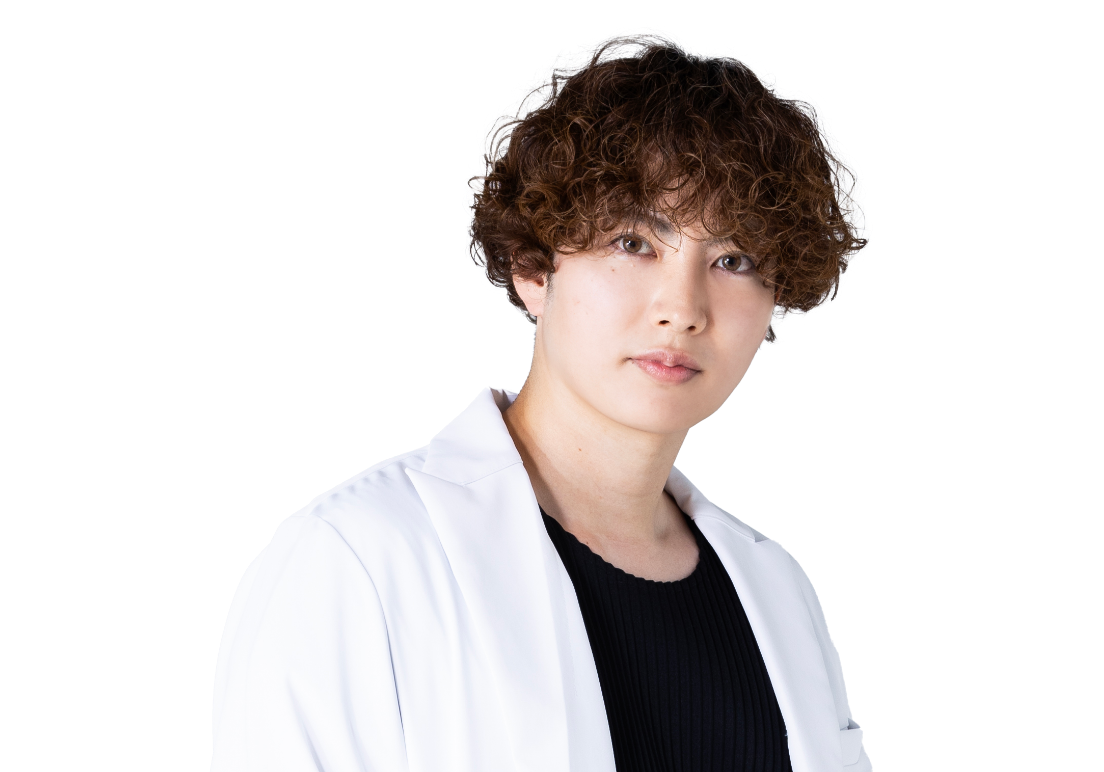
As a plastic surgeon certified by the Japanese Society of Plastic and Reconstructive Surgery, I have been involved in many cases of trauma, reconstruction, and congenital diseases, and have cultivated precise techniques and a deep understanding of anatomy. He entered the field of cosmetic surgery out of a desire to bring the power of cosmetics to his patients, as a change in one's appearance can also make one's mind more positive. Her specialties include general treatment of the eye area, injections, and sagging skin. I provide treatments that focus on beauty with the medical stance of "sincerely addressing the ideals of the patient.

The most important aspect of rhinoplasty is not to “look only at the nose,” but to plan the procedure with an eye toward balance with the entire face.
"Hana Furu" is not about performing multiple surgeries; rather, it is an approach that involves appropriately combining the surgeries necessary for each individual. It is important to aim for a natural-looking result that is not forced, while taking into account not only aesthetic appeal but also functional aspects—such as breathing—and long-term stability.
“I want a higher nose,” “I want to correct my bulbous nose,” “I want my profile to look better.” These are the kinds of concerns we hear every day during consultations at our cosmetic surgery clinic. Meanwhile, the term “nose full” has become widespread on social media, leaving many people wondering, “What exactly does this surgery involve?” and “Do I have to undergo the entire procedure?”
In the field of cosmetic surgery, rather than focusing solely on altering the nose in isolation, we place great importance on combining the necessary procedures—and only as many as needed—while ensuring harmony with the entire face. In this article, from the perspective of a board-certified plastic surgeon, I will explain the concept of comprehensive rhinoplasty, the main surgical procedures, indications, recovery time, and how to determine the design, using language that is as straightforward as possible.
What does “full nose job” mean in cosmetic surgery?
"Nose Full" is a general term for comprehensive rhinoplasty that combines multiple surgical procedures to improve the overall balance of the nose; it is not the official name of a specific surgical procedure.
In cosmetic surgery, we carefully assess factors such as bone structure, skin thickness, cartilage strength, and facial expression patterns before designing a treatment plan that strikes the perfect balance—neither too much nor too little. The essence of a full nose job is not to “do everything,” but to determine “exactly what is necessary.”
Examples of Surgeries That Are Often Performed in Combination
- nasal septum extension
- rhinoplasty
- Nasal Tip Cartilage Graft
- Nostril Reduction
- Rhinoplasty
- Hump removal
- Osteotomy for Narrowing
- nasal descent
- Noble Surgery
These are just a few examples and are not necessary for everyone. During a cosmetic surgery consultation, we create a customized treatment plan tailored to each individual.
"Balance Design" from a Cosmetic Surgery Perspective
The most important thing in rhinoplasty is not to focus solely on the nose. Decisions are made with an eye toward the overall harmony of the face, taking into account the transition from the forehead to the bridge of the nose, the distance from the eyes, the front-to-back balance with the mouth and chin, and the “E-line” of the profile.
For example, even if a patient requests, “I just want to make the bridge of my nose higher,” the nose may actually appear low due to insufficient support at the tip or a protruding lower lip. The role of a plastic surgeon is to evaluate all these factors together to determine “what procedures to perform and to what extent.”
Key Evaluation Points
- Continuity between the forehead and the bridge of the nose (height and angle of the glabella)
- Support at the tip of the nose (degree of downward or upward tilt)
- The width of the nostrils and how wide they spread when smiling
- The front-to-back relationship between the mouth and chin; the E-line
- Skin Thickness and Soft Tissue Volume
Even with the same surgical procedure, the final result can vary depending on the patient’s bone structure and skin type. Given these individual differences, it is important not to aim for excessive changes.
Major Surgeries Considered in Cosmetic Surgery and Their Roles
nasal septum extension
This surgery aims to extend the central support axis of the nose, projecting the tip forward, adjusting it to point slightly downward, and softening the appearance of an upturned nose. The cartilage source—such as auricular cartilage, septal cartilage, or rib cartilage—is selected based on the specific circumstances. The more significant the change, the more essential it is to ensure stability and maintain proper function (breathing).
rhinoplasty
By adjusting the shape and position of the alar cartilages, we soften the appearance of a bulbous nose and create a sleeker-looking tip. We combine the removal of excess fat and soft tissue with a carefully designed cartilage suture technique, prioritizing the creation of a foundation that ensures the shape remains stable over time.
Nasal Tip Cartilage Graft
This procedure primarily involves grafting auricular cartilage to the tip of the nose to enhance its height, roundness, and contour. It is often performed in conjunction with septal extension and helps achieve subtle height adjustments and refine the texture of the nasal tip.
Rhinoplasty
This procedure is designed to enhance the height and contour of the nasal bridge. While options include silicone implants, autologous tissue, and injectable treatments, implants or autologous tissue are often considered for their long-term stability and greater design flexibility. Recently, the concept of “Dorsal Preservation” has gained attention, and designs aimed at achieving a natural contour are becoming increasingly common.
Nostril Reduction
We comprehensively adjust the width of the nose, how it spreads when you smile, and the shape of the nostrils. There are various techniques, including the internal approach, external approach, and combined internal-external approach; we will discuss these options with you, including the location of any visible scars and the extent of the changes.
Hump removal
This procedure reduces the prominence (hump) in the center of the nasal bridge and smooths out irregularities in the profile. When performed in conjunction with other procedures, it helps create a more natural-looking overall contour.
Osteotomy for Narrowing
This approach is used when the nasal bones are wide or crooked, involving the realignment of the bones to their proper positions to create a slimmer, straighter bridge of the nose. Because the procedure involves significant downtime—including immobilization and swelling—it is important to plan accordingly based on your schedule and lifestyle.
nasal descent
If the nasal septum appears recessed, slightly projecting it forward and downward can improve the balance of the profile. This is an effective way to adjust the overall appearance in ways that are difficult to achieve by adjusting the tip of the nose alone.
Noble Surgery
If the base of the nostrils is sunken, it can draw attention to the mouth area and make the nose appear flat. By using implants or the patient’s own tissue to build up the foundation and soften the appearance of nasolabial folds and the overall impression of the mouth area, we aim to create a harmonious look for the entire nose.
"Hana-Furu" does not mean "do everything."
The term “full rhinoplasty” has taken on a life of its own, often leading to the misconception that “it’s pointless unless you do the whole procedure.” In reality, for those who have a well-defined nasal bridge but are only concerned about the tip of their nose, the issue can sometimes be corrected with just a tip rhinoplasty or a nasal tip cartilage graft.
Conversely, if skeletal factors play a significant role, we may even consider osteotomy to narrow the arch. In cosmetic surgery, we believe that avoiding unnecessary procedures and aiming for maximum harmony with the minimal necessary intervention leads to greater patient satisfaction.
The ideal nose is determined by “your face.”
Sharing a vision—such as “I want to look like the person in this photo”—is very helpful. However, everyone’s bone structure, skin thickness, cartilage strength, nose length, and overall facial proportions are unique. Even with the same surgical technique, the results will not be identical.
The key is to use the reference photos as a starting point and, based on the plastic surgeon’s assessment, find the “design that best suits your face.”
The nose is important not only for its appearance but also for its function
The nose is the gateway to breathing. Excessive removal of tissue or an overly aggressive surgical plan can, in the long term, lead to nasal congestion, nasal valve stenosis, deformity, and asymmetry. The anatomical understanding cultivated through plastic surgery, combined with a meticulous approach to handling tissue, is crucial for ensuring safety and long-term results. Even in cosmetic surgery, we always strive to balance aesthetics with function.
Estimated Downtime and Recovery Period (From a Cosmetic Surgery Perspective)
Rhinoplasty tends to be a relatively extensive procedure and involves some downtime. Although this varies from person to person, the general guidelines are as follows:
- Swelling: 1 to 2 weeks
- Bruising: 1 to 3 weeks
- Cast: About 1 week
- Suture removal: About 1 week
- Improvement in severe swelling: About 1 month
- Completion: 6 to 12 months
After surgery, the tissue will settle over time, and the incision lines will gradually blend in. At our cosmetic surgery clinic, we’ll suggest a schedule that’s manageable for you, taking into account your return to work and upcoming events. Please understand that the level of pain, the extent of swelling, and the speed of healing vary from person to person.
Who This Is For / Who Should Consider It Carefully
Who Should Use Nasal Flushing?
- For those who want to refine multiple features at once, such as the tip of the nose, the bridge of the nose, the nostrils, and the profile
- For those who prioritize harmony across the entire face and want to achieve balance in a single session rather than through multiple steps
- People whose daily schedules make it easy to set aside extended periods of downtime
People who want to consider this carefully
- People who can only set aside a very short amount of downtime
- For those who haven't decided on their preferred look and want to make repeated fine adjustments
- In cases where the patient has a history of multiple surgeries and scarring is a significant factor (special consideration is required in the design)
In either case, we will discuss the risks and benefits during a consultation at our cosmetic surgery clinic and consider all options, including a step-by-step approach.
How to Interpret "Before & After" Images and Their Limitations
"Before and After" photos are helpful for conveying an overall impression, but the appearance can vary depending on lighting, angle, facial expressions, and the number of months since the procedure.
Other people’s results are merely “examples based on their specific circumstances.” Don’t get too caught up in the appearance of the photos; instead, consult with your doctor to determine what results are realistic given your own skeletal structure.
What I Value Most in Cosmetic Surgery Consultations
Rather than simply saying, “We can perform this surgery,” we place a high priority on carefully explaining “why this surgery is necessary.” We don’t just list your options and leave it at that; we provide a comprehensive explanation that takes into account balance, functionality, downtime, and long-term stability.
Sometimes we may tell you, “It’s best not to have surgery at this time.” The goal of cosmetic surgery is not to force a change, but to work with you to design a natural transformation that blends seamlessly with your lifestyle and facial expressions.
Frequently Asked Questions (FAQ)
Q. Does a full rhinoplasty always involve multiple procedures performed at the same time?
A. No. We select only the necessary procedures. For some patients, a single procedure is sufficient. In cosmetic surgery, we aim for “maximum harmony with minimal intervention.”
Q. Is it possible to achieve a dramatic change in the shape of the nose, such as a "full nose," using only hyaluronic acid?
A. While it can help temporarily refine the bridge of the nose, it is not suitable for the tip of the nose, the nostrils, or narrowing the width of the nasal bone structure. A plastic surgeon will recommend the best method based on your specific goals.
Q. I'm worried about downtime. When can I expect to return to work?
A. While results vary from person to person, most people expect the process to take 1 to 2 weeks, taking into account the cast and swelling. Please consult with us during your cosmetic surgery consultation to create a plan that fits your work schedule and other commitments.
Q. When do you start considering revisions?
A. As a general rule, you should wait until the swelling and bruising subside. This typically takes 6 to 12 months, though the timeframe varies depending on the area and the procedure. Your cosmetic surgeon will advise you on the appropriate timing during your follow-up visits.
Q. Is it okay to choose a doctor based solely on "Before & After" photos?
A. While photos can be helpful, there are differences in circumstances. During your consultation, be sure to confirm the rationale behind the diagnosis, the clinic’s commitment to safety, and the thoroughness of the explanations provided.
Summary
"Nose Full" is a design philosophy that combines the necessary surgical procedures to achieve overall harmony in the nose. What's important isn't "undergoing Nose Full" itself, but working with a plastic surgeon to find the "optimal combination that suits your facial features."
When you consider the balance between aesthetic appeal and respiratory function—as well as long-term stability—a design that strikes the right balance leads to ultimate satisfaction. What each person needs and how much downtime they can comfortably tolerate varies from person to person.
First, make a list of any concerns you have—including any questions about the “before and after” results—and discuss them openly during your consultation at the cosmetic surgery clinic. While receiving explanations without any pressure, let’s work together to determine whether this is the right choice for you.
A comprehensive rhinoplasty combines the necessary procedures to restore balance to the entire nose. Determining which treatments are truly right for you will lead to natural-looking results that you’ll be very satisfied with. If you have any concerns, please feel free to discuss them with us during your consultation.