column (e.g. in newspaper)
2026.07.29
A Plastic Surgeon in Ginza, Tokyo, Explains in Simple Terms | Dealing with Concerns About Your Ears After a Facelift

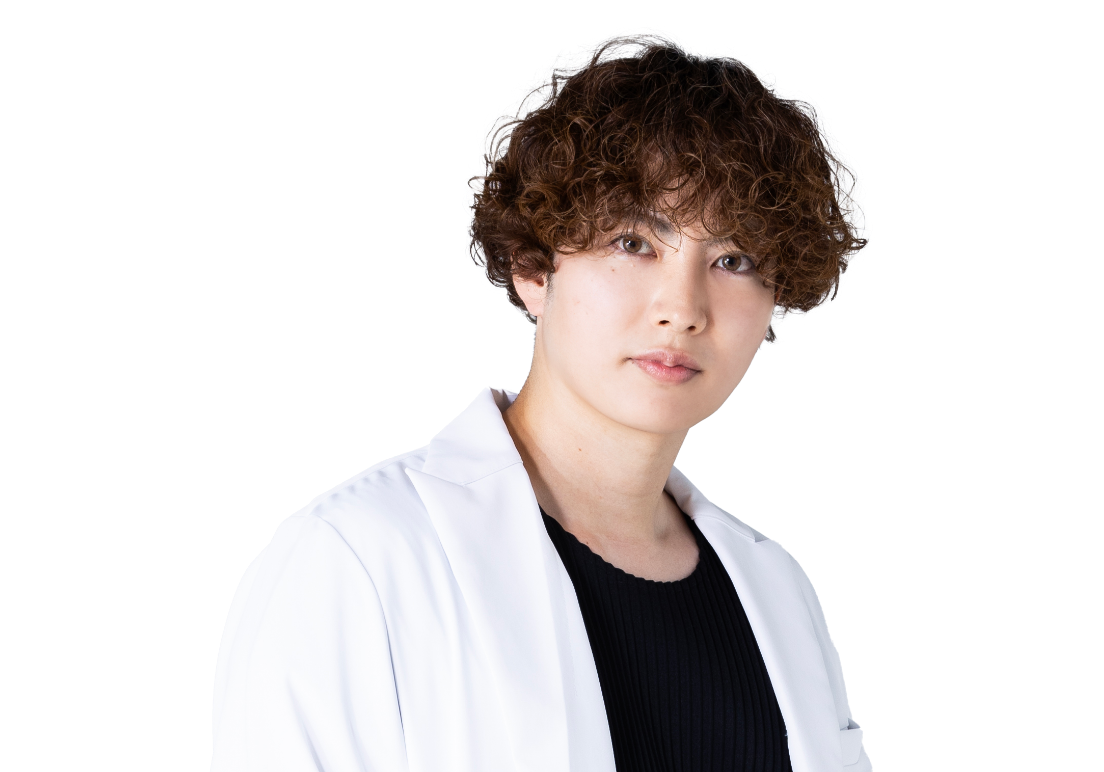
As a plastic surgeon, he has experienced many cases and has developed precise techniques and a deep anatomical understanding. Currently, combining his knowledge of plastic surgery with the latest technology, he provides a wide range of cosmetic treatments for skin, contouring, sagging, and other concerns of aging. He has also shared the responsibility of writing Japan's first textbook on gynecological cosmetic surgery, "Basic Techniques of Gynecological Cosmetic and Plastic Surgery. From her experience as an idol during medical school, she realized that "natural beauty" goes beyond the will to choose how you want to be, and she focuses on supporting her patients to "love yourself more every day". We are English-speaking and value counseling that is easy to talk to.

One of the most common concerns during facelift consultations is “how natural the area around the ears will look.”
It’s only natural to have many questions—such as whether the scar will be noticeable, how it will look when you tie your hair back, and how it will affect the comfort of your piercings or earrings—even before you visit a cosmetic surgery clinic in Tokyo or Ginza.
When designing the area around the ears, carefully determining not only “which areas to lift and by how much,” but also “which areas to leave untouched to suit your lifestyle and hairstyle” leads to a result that feels natural.
Plastic surgeons and cosmetic surgeons will comprehensively examine detailed features—such as the tragus (the small protrusion at the entrance to the ear), the earlobe, and the contours of the sideburns and hairline—and work with you to develop a plan that aligns with your body type and preferences.
Keeping in mind that results, downtime, and duration can vary from person to person, it’s important to make choices that are right for you.
This article is written for those who have already begun gathering information and comparing options. To help those considering a facelift in the Ginza area of Tokyo, we’ve summarized easy-to-understand decision-making criteria that you can apply right away, using technical terms only when necessary.
[Doctor’s Point]
During counseling sessions, I often get asked, “Won’t I end up with ‘pixie ears,’ where my earlobes are pulled downward?”
While textbooks generally state that one should “avoid pulling the skin too much,” based on my daily experience working with facial anatomy in the clinic, I firmly believe that “a precise lift at the SMAS (superficial muscular aponeurotic system)” and “controlling the tension on the skin around the ears” are absolutely essential for preserving the natural appearance of the ears.
As a board-certified plastic surgeon recognized by the Japanese Society of Plastic and Reconstructive Surgery, I perform meticulous suturing that preserves the shape of the tragus (the protrusion at the entrance of the ear) and the natural hairline of the sideburns, making it entirely possible to achieve a result that leaves no visible signs of surgery. I believe that a surgeon’s true value is measured by the care they take with the parts that are not visible.
The Basics of “Facelifts and the Ears,” as Seen by a Plastic Surgeon
"Facelift" is a general term for procedures that three-dimensionally contour sagging skin on the cheeks and along the jawline.
The areas in front of and behind the ears greatly influence the final look, as they are where individual characteristics—such as facial expressions, skin thickness, and hair growth patterns—come together.
That is why, even when the same method is used, the results vary from person to person, and there are individual differences in effectiveness, downtime, and recovery speed.
When it comes to the ears, common topics of discussion include the natural appearance of the earlobe, the angle of the earlobe, the position of the sideburns, and the texture of the skin behind the ear.
While there are various technical design options, when it comes to applying these to a patient’s daily life, factors such as “how often you wear your hair up,” “whether you work in close proximity to others,” and “whether you wear accessories on a daily basis” tend to have a significant impact on satisfaction with the final result.
Tips for Making It Look Natural
Plastic surgeons do not focus on pulling the skin tightly; rather, they consider “in which direction tension should be distributed to minimize strain” and “where the skin’s texture should be preserved to look natural in everyday life.”
It may sound complicated, but essentially, it means planning “subtle changes” around the ears. If you take everything into account—including your hairstyle and facial expressions—the result will look even more natural.
Considerations Based on Daily Life in Ginza, Tokyo
For example, for those who often have to tie their hair back—such as those working in the service industry in Ginza or in office jobs in Tokyo—paying attention to how the hair looks in front of and behind the ears can make or break their satisfaction.
It’s also important to realistically estimate how long it will take for the swelling and redness to subside, taking into account your commute and social dinner plans. Build some flexibility into your schedule and create a realistic plan for returning to your normal routine.
Common Concerns About the Ear Area and Criteria for Decision-Making at Cosmetic Surgery Clinics in Tokyo
At cosmetic surgery clinics in Tokyo, common concerns regarding the area around the ears include: “I’m worried about the line that shows when I tie my hair back,” “Will my earlobes be pulled so much that they’re not visible?” and “Will the mask straps rub against them?”
The approach to these issues varies depending on the individual’s lifestyle, skin type, and history of scarring.
During the consultation, please be as candid as possible, especially about things you find difficult to say. The more information you provide, the clearer the vision of the final result will become.
Keeping the following points in mind will help make your counseling session in Ginza, Tokyo, a more rewarding experience.
-
Acceptable Downtime Period: I’ll let the cosmetic surgery clinic know how many days I’ll be off work and when I have any public appearances scheduled, such as dinners or photo shoots.
-
Hairstyles and Fashion: How often you wear your hair up, whether you usually wear hats or hair accessories, and whether you wear glasses.
-
The burden of work, housework, and child-rearing: Factors such as the frequency of customer interactions and presentations, exercise habits, and the type of mask worn.
-
Preferences in Accessories: The size, material, and frequency of wear of piercings and earrings.
-
Constitution and Medical History: A tendency to develop raised scars, skin oiliness or dryness, history of previous procedures, and current medications.
-
Desired Goal: Should we prioritize a clean, fresh look from the side, or a youthful appearance from the front? We’ll work with your doctor to determine your priorities.
Key Issues Leading to an Increase in Consultations in the Ginza Area and How They Fit Into Daily Life
In Ginza, there are many people who work in customer service and sales—jobs that involve close face-to-face contact—and I get the impression that they place great importance on maintaining a clean, neat appearance around their profile and ears.
Even in Tokyo settings where a polished appearance is expected—such as in education, healthcare, and finance—you may still be concerned about how your hair looks when it’s pulled back. Let’s work together at our cosmetic surgery clinic to explore a style that fits your lifestyle.
It’s worth noting that, regardless of where you live, your ears are a part of the body that frequently comes into contact with masks and eyeglasses. Taking steps to reduce friction after surgery will help ensure your daily comfort and a smooth recovery.
Keep in mind that everyone is different, and incorporate self-care practices that are manageable for you.
Key Points Around the Ears, Reviewed by a Plastic Surgeon
During the examination, we carefully assess the balance around the ear while referring to photographs and a mirror. The following are points that are often discussed during the consultation. We’ve included everyday terms alongside the technical terms.
-
The line in front of the earlobe (the natural contour at the entrance to the ear): Does it look natural even when viewed up close?
-
Angle and Length of the Earlobe (How the Earlobe Appears): How do the positions of the piercings look?
-
Texture from behind the ears to the nape of the neck (impression from behind): Continuity when the hair is pulled back.
-
Sideburns and Hairline (Harmony with the Hairstyle): The extent to which it can be hidden or revealed by your usual hairstyle.
-
Skin Thickness and Elasticity (Ability to Bounce Back): How it conforms when under tension.
-
Tendency to Develop Scars (Constitution): Based on the progression of past scars, develop a treatment plan that minimizes the burden on the patient.
-
Facial Habits (Everyday Movements): Where do wrinkles tend to form when you smile or talk?
Treatment Options and the Concept of Compatibility (Focusing on Suitability, Not Superiority or Inferiority)
There are several methods of facelifts, and each has different effects on the area around the ears and a different recovery process.
Here, we’ve summarized some of the most common options based on how well they suit your specific concerns, lifestyle, and goals. Focusing on compatibility rather than which option is “better” or “worse” is key to achieving satisfaction with cosmetic surgery.
Facelift with an Incision
This is a good option for those who want to clearly feel changes in their facial contours or who want to refine their appearance, including the neck.
Since the area around the ears is where others tend to look closely, we discuss your hairstyle, job, and personal space in advance to create a plan that causes minimal discomfort.
Although downtime varies from person to person, it’s more realistic to plan your schedule with a timeframe of several weeks in mind.
If you want to fit this into your busy daily life in Ginza, Tokyo, it’s best to avoid events and peak seasons and make your preparations at a cosmetic surgery clinic during a less hectic time.
Thread Lift
This is a great option for addressing short-term changes or the slight sagging of the cheeks that can be a concern when wearing masks.
While the effects around the ears are often relatively mild, the extent and duration of the changes vary greatly from person to person, and some people plan on undergoing regular maintenance treatments. Be sure to discuss your expectations with your cosmetic surgeon.
Injection Therapy (Volume Adjustment)
When a lack of volume is noticeable, this approach aims to restore a youthful appearance by softening the shadows along the contours.
While there may be few direct changes to the area around the ears itself, adjusting the overall balance can help create a more natural appearance. The suitability and duration of treatment vary depending on the product used and the patient’s physical constitution, so an individualized assessment by a cosmetic surgeon is essential.
Approaches to Downtime, Risk, and Aftercare
The area around the ears includes both thin-skinned areas and areas with a lot of movement, so individuals tend to experience downtime differently in this region.
While swelling, redness, puffiness, and discomfort are often temporary, the speed of recovery varies depending on your body type, daily routine, and how carefully you follow aftercare instructions.
Please develop a return-to-work plan that allows for some flexibility, taking into account the demands of commuting in Tokyo as well as household chores and childcare.
-
Possible Outcomes: Swelling, bruising, tightness, numbness, asymmetry, redness of the scar, etc. (The severity of these symptoms varies from person to person.)
-
Special Precautions for the Ears: Examples include the earlobes appearing to be pulled back or discomfort from the straps of glasses or masks rubbing against them. Be sure to consult with a cosmetic surgery clinic in advance about how everyday items might come into contact with your ears.
-
Aftercare: How to maintain good hygiene, ways to avoid friction and UV exposure, and when to seek medical attention. It’s reassuring to have a clear system for communication.
If you feel anxious, contact your cosmetic surgery clinic before adjusting your care regimen on your own. Clinics in Ginza, Tokyo, generally have systems in place to provide advice tailored to each stage of your recovery.
How to View "Before & After" Images and What Information to Check
Photos are one factor to consider, but they don’t tell the whole story. When looking at “Before & After” photos, pay attention to the details around the ears and the shooting conditions to get a more accurate picture of the actual results.
-
Are there any close-up photos of the area in front of and behind the ear (including side and rear views)?
-
Is anything hidden by your hairstyle or accessories? Is the lighting and angle even?
-
Are there any "before and after" photos showing the progress during the recovery period (a few days or weeks)?
-
Does it mention factors that affect the final result, such as body type and age?
-
Is this a cosmetic surgery clinic that clearly states its rules regarding photography and publication (consent and anonymization)?
When consulting at a clinic in Ginza, Tokyo, be sure to openly share your thoughts on the photos and any concerns you may have. Together, we can explore realistic options that fit your lifestyle.
A Checklist for Choosing a Cosmetic Surgery Clinic in Ginza, Tokyo
When choosing a clinic, the sense of security you feel is even more important than the final results. Please check the official website and during your consultation to see if the following information is clearly provided.
-
Doctor Profile: Are their certifications, professional affiliations, and areas of expertise clearly stated? (Do they hold board certification in plastic surgery or cosmetic surgery?)
-
Indications and Limitations of the Treatments We Offer: Do they explain which treatments are suitable for whom without raising unrealistic expectations?
-
Anesthesia, Pain Management, and Recovery Support: Are there measures in place to help alleviate anxiety, and is consideration given to the convenience of visiting the clinic in Ginza, Tokyo?
-
After-Sales Support System: Frequency of follow-ups, methods of communication, and emergency response procedures.
-
"Before & After" Publication Policy: Handling of consent, anonymization, and explanation of filming conditions.
-
Understanding Costs: Whether there are any additional fees and how clear the estimate is.
-
Online Consultations and Remote Follow-ups: Is there a system in place that makes it easy to seek advice even amid the busy pace of life in Tokyo?
-
Privacy Considerations: Are there options for how to get to the clinic and how to make an appointment, and do they take individual circumstances into account?
FAQ | Facelifts and the Area Around the Ears
We’ve compiled a brief summary of frequently asked questions. Since details may vary from person to person, please consult a cosmetic surgery clinic for individualized advice.
Q1. I work in Tokyo and Ginza, so my free time is limited. What’s the shortest amount of time I should set aside to watch this?
Results vary depending on your body type and the specific treatment. Even for those who recover quickly, it’s best to assume that it will take a few days to a week for your body to “settle back into place.” When planning important events, allow 2 to 4 weeks for recovery and be sure to share your schedule with the cosmetic surgery clinic in advance.
Q2. Is the scar on my ear noticeable?
While it is possible to design a procedure that minimizes visibility, the degree of redness and changes in skin texture varies from person to person. Depending on your hairstyle and choice of accessories, there may be periods when these effects can be concealed, so please consult with a cosmetic surgery clinic to discuss options that fit your lifestyle.
Q3. Is it okay to make a judgment based solely on the "Before & After" images?
While this is helpful, results can vary depending on shooting conditions and individual differences. It’s more realistic to visit a cosmetic surgery clinic in Tokyo, where the doctor can look at photos of your profile and the area around your ears and help you find “Before & After” examples under similar conditions.
Q4. Which is better for me: thread lift or surgical facelift?
Your choice will depend on the severity of your concerns, the amount of time you can devote to recovery, and the extent of change you expect. Even at cosmetic surgery clinics in Ginza, it’s common to approach the decision based on “compatibility” rather than ranking clinics as better or worse.
Q5. Do you offer online consultations?
Many clinics in Ginza, Tokyo, offer online and phone consultations. Since it’s important to examine the area around the ears up close, some cosmetic surgery clinics follow a two-step process: an initial online consultation followed by an in-person visit.
Consultation Process and Contact Information
Generally, the process follows this sequence: preliminary consultation (online or in person) → examination and review of photos → discussion of the treatment plan → cost estimate → consideration period → treatment.
Don't feel pressured to make a decision right away; instead, write down any questions you have and address them one by one at the cosmetic surgery clinic.
When visiting a clinic in the Ginza area of Tokyo, factors such as travel time and busy periods at work can have an impact. Working with your doctor to create a schedule that fits your lifestyle is the first step toward achieving high satisfaction.
Summary
The key to maintaining a natural-looking facelift result lies in careful planning around the ears and making choices that fit your lifestyle.
By incorporating a plastic surgeon’s perspective and discussing even the smallest details of your daily life—such as hairstyles, work, and accessories—you’ll be able to develop a plan that’s realistic and makes sense.
If you’re considering a facelift in Ginza, Tokyo, the first step is to put your concerns and expectations into words. If you’d like to find out whether this procedure is right for you—including how to interpret “Before & After” photos and how to manage your downtime—please feel free to consult with a cosmetic surgery clinic.
"What if the surgery prevents me from having the hairstyle I want...?" You can’t move forward with treatment with peace of mind if you’re still harboring that kind of anxiety, can you? Designing the area around your ears is an important process for ensuring you can continue to enjoy life in the years to come.
We’re looking forward to the day when your post-surgery scars have faded, you can wear your favorite earrings again, and you’ll feel confident enough to wear your hair up. We’ll do everything we can to support you—why not take this next step with us?