column (e.g. in newspaper)
2026.07.19
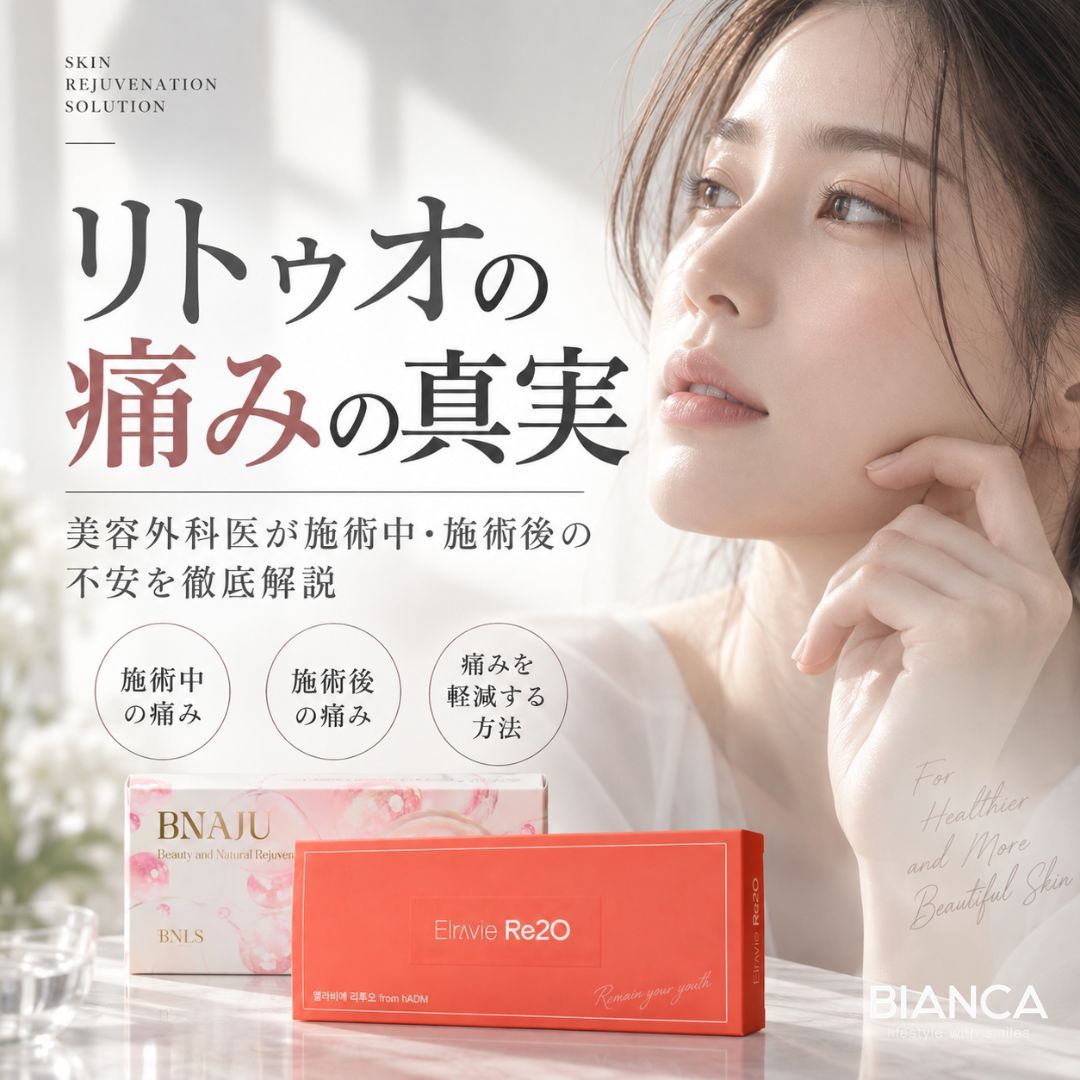
The Truth About Lituo Pain | A Cosmetic Surgeon Thoroughly Explains Pre- and Post-Procedure Concerns

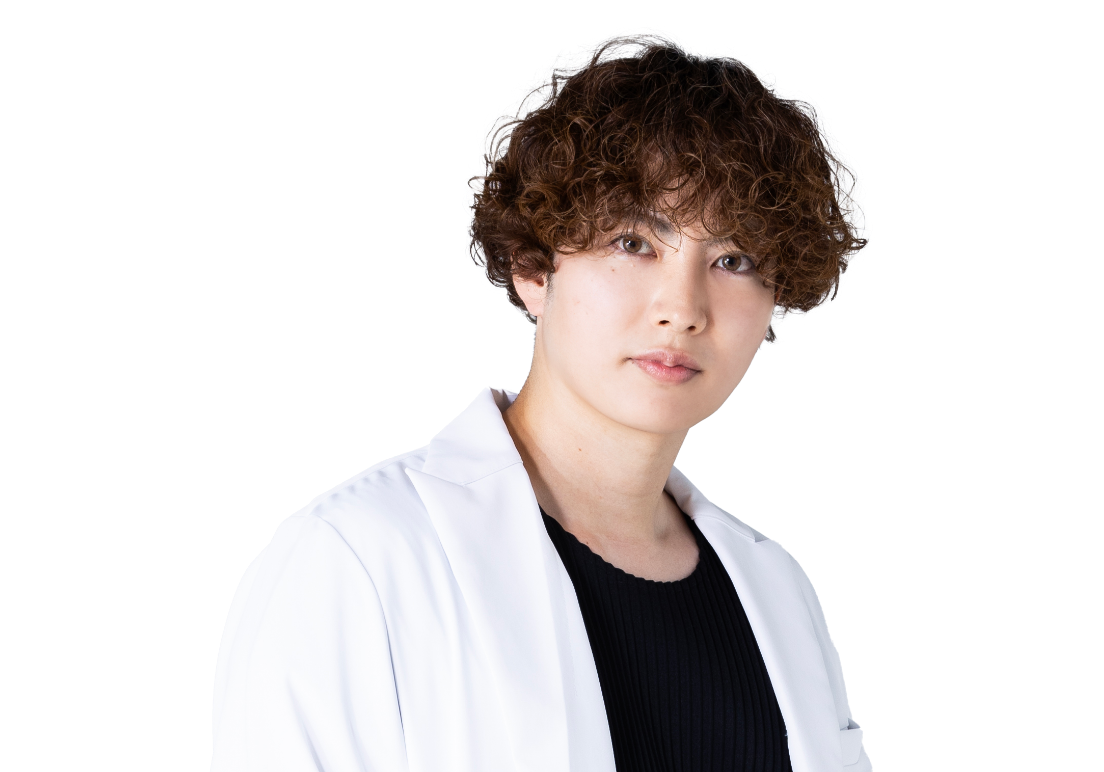
Engaged in both aspects of cosmetic dermatology and cosmetic surgery, he is an all-rounder doctor who pursues natural and elegant beauty with "the best interest of the patient" as his first priority. He is also a board-certified cosmetic surgeon by the Japanese Society of Aesthetic Plastic Surgery (JSAS). He specializes in hyaluronic acid injections, thread lifts, and facial surgery, and is a competent KOL (Key Opinion Leader) for ARTEMISLIFT and Hydro Rejuran. He is always sensitive to the latest trends and is always exploring knowledge and techniques.
 Doctors' Point
“Does Lituo hurt?”—This is one of the questions we’re often asked during consultations. Social media is filled with a variety of comments such as “It hurt more than I expected,” “It was easier than Rejuran,” and “It was fine because I had anesthesia,” so it’s only natural for first-time patients to feel anxious. Even in cosmetic surgery clinics, concerns about pain significantly influence patients’ decisions.
To put it simply, while the pain associated with Lituo is not entirely absent, it generally falls within a range that most people can tolerate. That said, the level of discomfort experienced varies depending on the treatment method, the treatment area, the type of anesthesia used, and individual differences in pain sensitivity.
In this article, from the perspective of a cosmetic surgeon and based on scientific evidence and insights from daily clinical practice, we will examine the reality of pain associated with Lituo (both during and after the procedure) and explain the key points of preparation and aftercare to help you feel confident about the procedure.
What Is Lituo? The Basics of Its Ingredients and How It Works
RITUO (Re2O) is a skin booster whose main ingredient is human acellular dermal matrix (hADM). Composed primarily of extracellular matrix (ECM), it is designed to improve skin texture—including firmness, elasticity, skin texture, and fine lines.
Rather than adding volume like hyaluronic acid does, our core approach is “skin nurturing”—which focuses on improving the skin’s natural condition from the ground up. When determining suitability for cosmetic surgery, it is important to clearly distinguish this approach from treatments aimed at facial contouring and to discuss the expected range of results with the patient.
A Cosmetic Surgeon Explains: Is Lituo Really Painful?
In general, “there is some pain, but it’s usually tolerable for most people.” Since Rituo is often injected in small doses over the entire face, even though each needle is thin, the high number of injections can easily lead to the following sensations:
-
A prickling, stinging pain upon insertion
-
A slight sensation of pressure associated with the injection pressure
-
A heavy, stinging sensation when the medication is administered
Even for the same procedure, there is a wide range in how people perceive pain, and differences in feedback—such as “It was easier than I expected” or “It hurt so much it brought me to tears”—are primarily influenced by variations in individual pain thresholds. In cosmetic surgery, we strive to minimize these individual differences as much as possible through pre-procedure assessments and anesthetic planning.
Factors That Cause a Difference in "Before & After" Results
The perception of pain is determined by a combination of the following factors.
-
Injection Techniques: Angle of Insertion, Skin Tension, Injection Speed, and Use of Negative Pressure
-
Injection sites and areas: Areas with thin skin, a high concentration of nerves, and a lot of movement are sensitive.
-
Formulation Conditions: Viscosity, Dilution, and Temperature Control (Room Temperature, Body Temperature)
-
Anesthesia Plan: A combination of topical anesthesia, nitrous oxide, and local anesthesia
-
Personal factors: anxiety and nervousness, lack of sleep, menstrual cycle, caffeine intake, etc.
When these factors are properly balanced, the perception of pain can vary significantly even for the same procedure. In other words, there is no “fixed profile of pain” that applies to every “Before & After” case. In cosmetic surgery, a customized approach based on a medical interview and physical examination is key.
Which is more painful, Rituo or Rijuran?
Although this is a common comparison, some people do feel that “Rejuran is more painful.” This is likely due to differences in the viscosity of the formulation, the injection pressure, and the irritating properties inherent in the composition. At our clinic, we mix both Rejuran and Lituo with our proprietary pain-free diluent, so many patients report that there is no significant difference.
For those who are sensitive to pain, we can combine nitrous oxide anesthesia, local anesthesia, or nerve block anesthesia with the procedure, making the injection relatively smooth and easy—and many patients say it’s “easier than they expected.”
However, the perceived results may vary depending on factors such as the injection site, injection speed, dilution, and choice of device. Ultimately, the outcome depends on the treatment plan developed by the cosmetic surgery clinic and the patient’s individual sensitivity.
Susceptibility to Pain by Body Part
Pain is highly location-dependent. In general, the areas where pain is typically felt and those where it is not are as follows:
-
Areas prone to pain: forehead, around the nose, around the mouth, upper lip, temples
-
Relatively easy to tolerate: cheeks, jawline
Pain tends to be more intense in areas where the skin is thin, nerve endings are dense, and facial muscles are highly active. In cosmetic surgery, we adjust the injection depth and speed for each specific area to minimize discomfort.
How Much Pain Can Anesthesia Relieve? (Options in Cosmetic Surgery)
Many cosmetic surgery clinics use anesthesia as part of their procedures. The most common options are as follows.
-
Topical Anesthetic (Cream): Relieves the stinging sensation upon injection
-
Nitrous Oxide Anesthesia: Relieves anxiety and tension and reduces the perception of pain
-
Local Anesthesia: Effectively blocks pain at specific points. The type is selected based on the treatment site and dosage.
Even topical anesthesia alone offers significant benefits, and combining it with nitrous oxide further reduces the overall “discomfort” of the procedure. If you’re concerned about pain, be sure to discuss your specific anesthesia plan with your plastic surgeon in advance.
Pain Transformed by a Doctor's Expertise
Even with the same medication, the level of pain can vary depending on the doctor’s technique. Factors such as the speed of insertion, the technique of gently pulling the skin to create tension, fine adjustments to injection pressure and rate, optimization of the insertion angle, and the timing of cooling—it is the accumulation of these details that creates differences in how the procedure is experienced.
In addition, psychological support—such as offering words of encouragement and guiding breathing—is also effective. In cosmetic surgery, a sense of balance is required to strike a balance between managing pain and achieving results.
Does a cannula hurt? Considerations for its use
Cannulas (blunt needles) have rounded tips and can help reduce pain and bruising by minimizing the number of insertions. However, there are certain limitations—such as restricted application sites and compatibility issues with specific formulations—so they may not be the optimal choice for all Rituo treatments.
It is important to design the procedure so that needles and cannulas are selected based on the specific purpose and treatment area. It is also important to understand that the optimal choice—whether to use a cannula or not—varies depending on the specific “Before & After” scenario.
Post-Procedure Pain and Downtime (From the Perspective of Cosmetic Surgery Aftercare)
After the treatment, you may experience a stinging sensation, tenderness when pressed, or a mild, muscle-ache-like discomfort. These symptoms usually subside within a few hours to a few days.
Redness, swelling, small bumps (hives), injection marks, and bruising may occur temporarily; however, the bumps generally subside within a few hours to a few days, and bruising typically becomes less noticeable within 1 to 2 weeks.
Follow the cosmetic surgery clinic’s instructions: On the day of the procedure, avoid strong pressure, strenuous exercise, bathing, saunas, and alcohol, and apply cold compresses as needed.
Impact on Work and Daily Life
Most people can return to work the same day or the next day, but this varies from person to person depending on the volume injected, the injection site, and individual sensitivity.
While online meetings and light tasks are often possible even on the same day, if you’re concerned about redness or swelling during in-person work, it’s safer to schedule such activities for the next day or later. You can resume wearing makeup once the puncture sites have healed (a few hours to the next day), provided you keep the area clean.
Tips for Minimizing Pain (Before Your Visit Through the Day of Your Visit)
-
Get enough sleep and nutrition (avoid hunger and dehydration)
-
Refrain from drinking alcohol the day before your treatment, and avoid excessive caffeine on the day of your treatment.
-
Please come to the clinic wearing comfortable clothing and take a few deep breaths to ease your tension.
-
If you are sensitive to pain around the time of your period, consider adjusting your schedule
-
Don't hesitate to share any concerns with the plastic surgery clinic and reach an agreement in advance regarding anesthesia and the procedure.
This "advance planning" and "information sharing" are the quickest way to ensure the smoothest possible experience.
Warning Signs and When to Seek Medical Attention
In most cases, simply monitoring the condition is sufficient, but if you experience any of the following, you should promptly consult the cosmetic surgery clinic where you received the procedure.
-
The pain worsens over time and is severe even at night.
-
Extensive, severe redness and a sensation of heat, along with pus discharge
-
Skin color changes from white to purple, or develops a net-like discoloration
-
Abnormal sensations (severe numbness, burning sensation)
Although this is not a common occurrence, serious complications such as infection or circulatory problems may be present, so you should avoid ignoring the symptoms on your own.
Consistency Determines the Outcome: A Planning Approach
Rituo is a treatment designed to "nurture the skin"; it is not intended to produce dramatic visual changes immediately after a session. The basic approach is to systematically undergo several sessions over time to improve skin quality from the inside out.
Combining appropriate treatment intervals with daily skincare, UV protection, and lifestyle adjustments will lead to greater long-term satisfaction. Ideally, you should fine-tune the treatment plan for future sessions based on the results of each “Before & After” assessment.
How to Choose a Cosmetic Surgery Clinic and Tips for Consultations
-
Choose a cosmetic surgery clinic that can explain specific pain management strategies (types of anesthesia, cooling, devices, and injection protocols) in advance.
-
Could you explain the differences between Lituo and other products (e.g., Rejuran, etc.) and outline strategies for using them together?
-
Have you clearly defined the point of contact for risks and aftercare (communication procedures and hours)?
-
Is the design organized by body part, and are the criteria for deciding “how far to go today” transparent?
During your initial consultation, be sure to discuss your specific concerns about pain, your tolerance for downtime, and any scheduling constraints. The more reputable the cosmetic surgery clinic, the more time it will devote to managing your expectations and tailoring a plan specifically for you.
Frequently Asked Questions (Pain and Practical Matters)
Q. How much does Lituo hurt?
The main sensations are a slight prick when the needle is inserted and a feeling of pressure during the injection. With the use of anesthesia, most people find that it’s “easier than they expected.”
Q. When does the job start?
In most cases, you can return to work the same day or the next day. However, if your work environment is one where redness or hives might be noticeable, it’s safer to wait until the day after.
Q. What about swelling and bruising?
Mild redness and swelling typically subside within a few hours to a few days, while bruising usually resolves within 1 to 2 weeks.
Q. What about makeup, exercise, and bathing?
Apply makeup only after the puncture sites have closed, ensuring good hygiene. We recommend avoiding strenuous exercise, long baths, saunas, and alcohol consumption on the day of the procedure.
Q. Is it painless with a cannula?
While it can help relieve pain, it is not a cure-all. Depending on the affected area and the treatment goal, we may consider using it in combination with acupuncture.
Information-Sharing Checklist for Cosmetic Surgery Clinics
-
History of pain-related issues (e.g., fear of injections, history of fainting during blood draws)
-
Oral Medications and Supplements (anticoagulants, vitamin E, omega-3, etc.)
-
History of previous injections and reactions (prone to swelling or bruising)
-
Schedule constraints (events, photo shoots, business trips)
By sharing this information, the cosmetic surgery clinic can prepare the optimal anesthesia plan and treatment plan.
Summary
While the pain associated with Litou treatment is not “completely painless,” it is generally within a range that most people can tolerate, and the discomfort can be significantly reduced through appropriate anesthesia and a well-planned treatment plan.
In addition, post-treatment redness, swelling, and mild tenderness generally subside within a few days, so this treatment has relatively little impact on daily life. The degree of pain experienced varies from person to person and depends on the treatment site, your physical condition, and the treatment method. Therefore, rather than basing your decision solely on online reviews, it is important to thoroughly discuss your concerns and expectations with your doctor before developing a treatment plan.
To ensure a safe Lituo treatment, choose a medical facility that prioritizes pain management and has a comprehensive aftercare program in place; approaching the procedure with full confidence will lead to highly satisfying results.